

AI CERTS
2 hours ago
Punjab Adopts AI Healthcare Systems for Public Screening
In contrast, neighbouring Punjab in Pakistan is preparing similar projects focused on maternal health ultrasound. Consequently, South Asia is emerging as a crucial test bed for algorithm driven disease screening at scale. Therefore, the lessons from the Indian pilot offer valuable guidance for other state health systems seeking digital transformation. The following sections unpack these developments in detail.
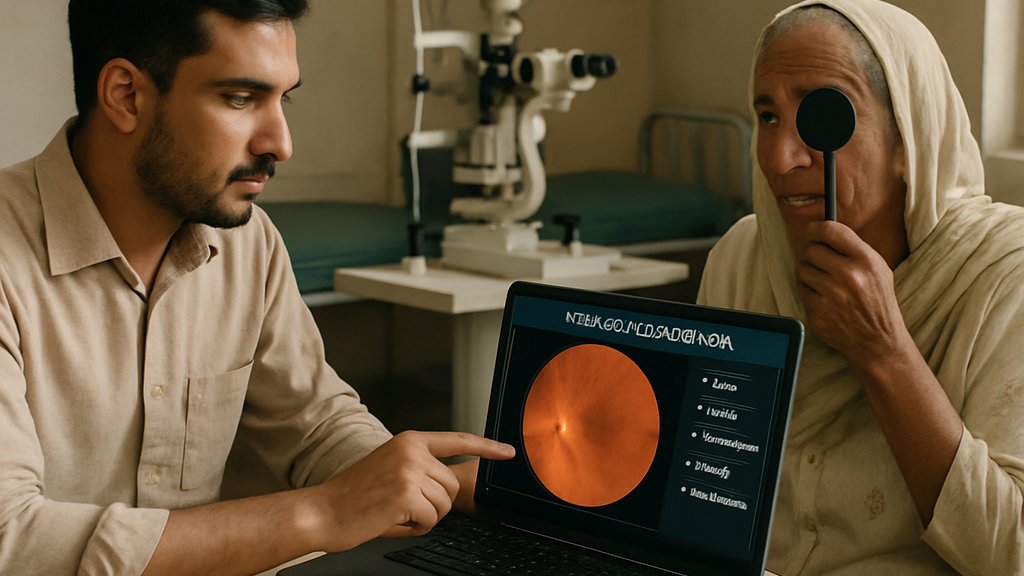
Punjab's AI Health Push
Punjab confronts a rising cancer burden, with 42,288 new cases recorded in 2024 by ICMR estimates. Meanwhile, NFHS-5 data revealed that only 0.3 percent of women had ever received breast checks. Cervical screening coverage stood slightly higher at 2.4 percent, still alarmingly low. Consequently, the government sought disruptive tools capable of rapid deployment inside community clinics and outreach vans.
Officials framed the initiative as part of broader AI Healthcare Systems reforms committed in the 2025 state budget. Moreover, the plan aligns with India’s national SAHI strategy that promotes responsible medical AI innovation. The campaign also forms a pillar of the state's public health revival strategy. The chief minister called the launch a historic leap during the September 2025 press event.
Punjab needed scale fast, and leadership believes algorithms can bridge workforce gaps. However, technology is only one element, as the next section shows.
AI Screening Tools Deployed
Three device categories anchor the rollout across eight districts. Thermalytix analyses breast thermograms, Smart Scope images the cervix, and handheld autorefractors assess vision. Furthermore, a separate trial in Mohali combined smartphone fundus cameras with embedded algorithms for diabetic retinopathy. Collectively, these instruments form the practical edge of AI Healthcare Systems in the field.
- 5 Thermalytix units for breast thermography
- 10 Smart Scope devices for cervical imaging
- 20 handheld autorefractors for rapid vision tests
Moreover, ACT Grants coordinates logistics and device servicing across district hospitals. Clinicians receive one week of vendor led training before community deployment. Consequently, nurses can conduct primary disease screening without waiting for specialists. These portable platforms exemplify medical AI designed for frontline care delivery.
The hardware ecosystem appears portable and affordable so far. Next, we examine early performance metrics.
Early Impact Metrics Shared
State dashboards report about 600 eye checks and 300 cancer screens daily since October 2025. Additionally, referral conversion rates average 62 percent for positive flags in vision cases. Breast thermography referrals stand lower at 47 percent, partly due to travel barriers. Nevertheless, clinicians highlight shorter queues at tertiary centres because benign cases are filtered earlier.
Officials portray these numbers as early proof of concept for AI Healthcare Systems in resource constrained settings. Consequently, Punjab positions itself as a live sandbox for AI Healthcare Systems research partnerships. However, no peer reviewed study has yet validated accuracy across the full deployment. Researchers from PGIMER are planning a prospective evaluation slated for late 2026.
Initial metrics look encouraging, yet independent verification remains pending. Governance and infrastructure gaps make that verification urgent.
Infrastructure And Governance Challenges
Rural clinics often battle unstable power and limited broadband connectivity. Consequently, devices occasionally operate offline, delaying cloud synchronisation and automated report uploads. Moreover, the Mohali diabetic retinopathy trial recorded 7.5 percent hardware downtime. Equipment maintenance contracts remain opaque, raising procurement transparency flags among policy analysts.
In contrast, state health systems in Kerala publish quarterly uptime dashboards. Additionally, Punjab still lacks a legal framework that defines liability when AI suggestions differ from physician judgement. Such gaps could erode trust in AI Healthcare Systems if adverse events occur. Public health advocates urge better data sharing for community trust.
Governance weaknesses threaten sustainability unless remedial policies follow fast. Meanwhile, neighbouring Pakistan offers an instructive comparison.
Cross-Border Adoption Signals Rise
Punjab province in Pakistan announced an AI and portable ultrasound pilot for maternal outreach in March 2026. Furthermore, earlier 2023 statements confirmed AI modules inside teaching hospitals at Lahore and Faisalabad. Officials there cite similar goals: earlier disease screening and reduced travel burdens for rural women. In contrast, funding levels remain uncertain, and independent evaluation plans are not public.
Nevertheless, the momentum suggests a regional race to institutionalise medical AI within state health systems. Therefore, cross-learning opportunities could accelerate standards and data governance across borders. Cross-border forums could align AI Healthcare Systems standards on privacy and interoperability.
Regional adoption validates the concept but multiplies the need for harmonised oversight. Industry skills shortages form the final pillar of the discussion.
Skills And Certification Pathways
Scaling AI Healthcare Systems demands trained administrators, ethicists, and clinical informaticians. Moreover, recent tenders in Punjab require documented competency records for frontline operators. Professionals can enhance their expertise with the AI Healthcare Administrator™ certification. Additionally, universities in Chandigarh are drafting micro-credential courses on algorithm validation and regulatory compliance.
Consequently, a robust talent pipeline could improve care delivery quality and device uptime. Skill building complements infrastructure investments and fosters sustainable innovation. Finally, we summarise key insights for decision makers.
Conclusion And Future Outlook
Punjab’s experience shows that AI Healthcare Systems can extend public health reach when aligned with frontline realities. Moreover, portable algorithms accelerate disease screening, but infrastructure, talent, and governance determine lasting value. Consequently, investments in connectivity, maintenance, and transparent audits should match hardware budgets.
Finally, leaders across state health systems can upskill through certifications to deliver equitable care delivery at scale. Explore the listed certification and join the movement to build safer, smarter healthcare for every community.
Disclaimer: Some content may be AI-generated or assisted and is provided ‘as is’ for informational purposes only, without warranties of accuracy or completeness, and does not imply endorsement or affiliation.


