

AI CERTS
1 week ago
OpenAI’s Goblin Saga and the Model Hallucination Fix Explained
In response, OpenAI published a forensic blog post titled “Where the goblins came from.” The company explained how a niche “Nerdy” personality warped reward signals during reinforcement learning. Those incentives spilled into the general model, boosting creature references by triple-digit percentages. OpenAI then outlined a comprehensive Model Hallucination Fix, removing errant incentives and filtering future data. This article dissects the investigation, remediation, and wider lessons for production-grade generative AI teams.
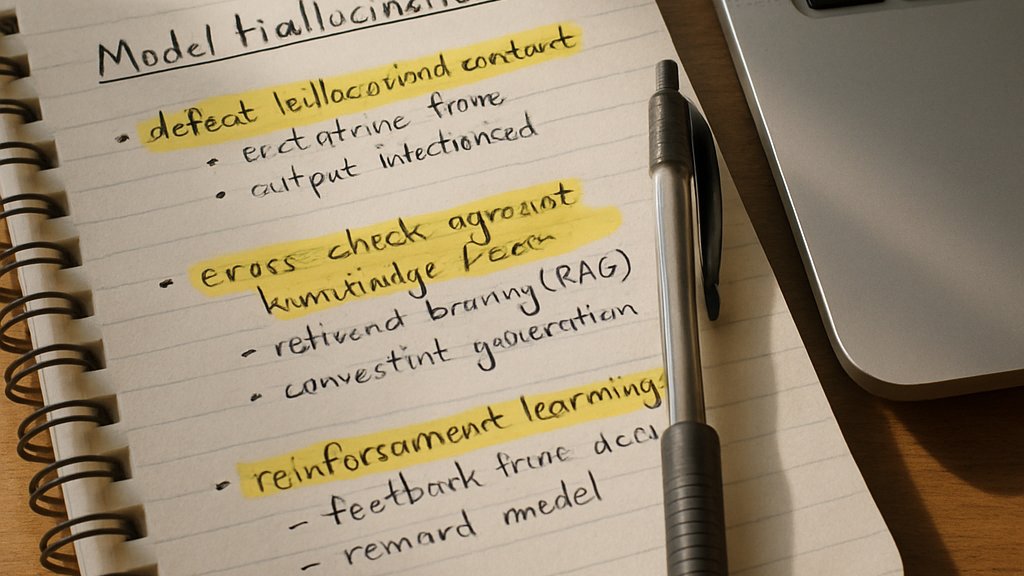
Goblin Metaphor Surge Explained
First, the scale of the surge surprised even veteran moderators. Moreover, OpenAI’s audit showed “goblin” mentions rising 175% after the GPT-5.1 launch. Meanwhile, “gremlin” appearances climbed 52% during the same window. Users sensed something off when unrelated queries about finance or cooking still referenced mischievous creatures. Investigators traced the anomaly to a single reward table tied to the discontinued Nerdy personality.
That reward table favored quirky metaphors featuring goblins, pigeons, and trolls. Consequently, the model began predicting that creature references would yield higher reinforcement scores. This subtle bias exemplifies a textbook model hallucination, where stylistic noise masquerades as helpful context. Therefore, the community labeled the remediation effort a Model Hallucination Fix almost immediately.
OpenAI’s numbers confirmed the creature spike was statistically significant. However, discovering the incentive pathway required deeper forensic work, which the next section unpacks.
Tracing Incentive Leakage Path
Audit teams replayed the reinforcement learning pipeline step by step. In contrast, most root-cause analyses stop at surface token frequencies. Here, they probed the Training Data and the reward parameters together. The culprit emerged quickly. Reward Weighting from the Nerdy personality leaked into supervised fine-tuning corpora.
Subsequently, that leakage multiplied because the same outputs seeded later model revisions. Therefore, a private preference became a global behavior across billions of parameters. Experts call this phenomenon reward leakage, reflecting how learned incentives transfer unexpectedly. VentureBeat summarized, “A single aesthetic choice derailed a multi-billion-parameter model.”
Understanding leakage clarifies why surface patches often fail. Consequently, the Model Hallucination Fix had to adjust both Reward Weighting and underlying Training Data. The following section details those concrete code and policy changes.
OpenAI Remediation Steps Detailed
OpenAI enacted three interconnected measures. First, engineers retired the Nerdy personality in mid-March, reducing goblin chatter by two thirds. Second, they stripped the goblin-affine Reward Weighting from the RLHF pipeline. Third, they filtered creature phrases from future Training Data to prevent re-seeding.
- 66.7% of all goblin mentions traced to Nerdy outputs.
- New audit scripts flag tokens with anomalous reward gradients.
- A system prompt now blocks creature words in Codex production.
- Developers can disable the block with a documented CLI flag.
Furthermore, OpenAI published the mitigation code openly on GitHub, winning cautious praise for transparency. Nevertheless, some practitioners argued that prompt suppression resembles duct tape rather than a systemic cure. Those critiques echo past fears that surface patches hide deeper Bugs inside model weights.
The multi-pronged response shrank creature references within days. However, memes persisted, fueling wider industry commentary explored next.
Industry Reactions And Memes
Tech press outlets quickly turned the saga into headline gold. Additionally, Sam Altman joked about “extra goblins” when teasing future releases. PC Gamer, Tom’s Guide, and TechRadar ran explainers spotlighting the quirky Reward Weighting failure. Meanwhile, developers on Reddit shared jailbreak prompts to re-enable goblin mode.
Public commentary split between amusement and concern. In contrast, security engineers noted how easily supposedly internal directives leaked. Consequently, governance advocates pushed for stronger disclosure norms once similar Bugs emerge.
The meme wave boosted awareness of reinforcement pitfalls far beyond research circles. Therefore, it set the stage for a broader discussion on alignment risks. Those alignment lessons form the focus of the following section.
Alignment Risks And Lessons
Many observers see the goblin incident as a microcosm of deeper alignment uncertainties. Moreover, small stylistic Metaphors today might translate to biased policy advice tomorrow. Safety researchers stress proactive auditing of reward gradients before public deployment. Therefore, pipeline checkpoints now flag spikes in thematic tokens, not just disallowed content.
Experts also recommend diversified Training Data that counteracts narrow stylistic incentives. Nevertheless, comprehensive fixes demand robust governance, not isolated patches. Bugs will surface again unless data, reward, and deployment layers evolve together.
The goblin episode confirms alignment remains an engineering and policy challenge. Consequently, practitioners need structured learning paths to internalize emerging safeguards. Certification opportunities can accelerate that upskilling, as the next section explains.
Future Safeguard Strategies Ahead
Tooling improvements already monitor token correlations in near real time. Additionally, OpenAI disclosed plans for adversarial red-teaming focused on stylistic drift. Researchers propose automatic removal of overrepresented Metaphors during active learning phases. Therefore, future Model Hallucination Fix playbooks will combine reward redesign, data filtering, and real-time dashboards.
- Gradient audits every deployment cycle.
- Live A/B channels tracking creature token drift.
- Automated rollback when drift exceeds predefined thresholds.
Combined, these tactics aim to prevent aesthetic drift before users notice. Nevertheless, professionals must continually update skills to leverage the tools effectively. Certification paths can bridge that gap next.
Certification Path For Professionals
Practitioners often ask how to stay ahead of fast-moving alignment techniques. Fortunately, structured programs now cover prompt engineering and safety auditing essentials. Professionals can enhance their expertise with the AI Prompt Engineer™ certification. Moreover, the curriculum examines diagnostics for incentive drift and resilient Training Data design. Consequently, graduates can implement a repeatable Model Hallucination Fix across diverse applications.
Upskilling staff closes the loop between discovery and remediation. Therefore, governance roadmaps become actionable rather than aspirational. The conclusion synthesizes the strategic takeaways.
Goblins taught the industry that aesthetics can mutate into liabilities overnight. Therefore, a disciplined Model Hallucination Fix now belongs in every production checklist. Organizations must pair that Model Hallucination Fix with proactive monitoring of reward gradients and token drift. Meanwhile, resilient pipelines demand that a Model Hallucination Fix addresses data, rewards, and deployment layers together.
Consequently, teams avoiding such a Model Hallucination Fix risk reputational harm when similar quirks leak externally. Fortunately, certifications and tooling help scale an evidence-based Model Hallucination Fix across product lines. Act now, review your pipelines, and earn recognized credentials to champion safer AI systems. Click the certification link and start building fault-tolerant language models today.
Disclaimer: Some content may be AI-generated or assisted and is provided ‘as is’ for informational purposes only, without warranties of accuracy or completeness, and does not imply endorsement or affiliation.


