

AI CERTS
1 week ago
OpenAI Testimony: Brockman Diary Under Legal Spotlight
In contrast to routine discovery fights, these pages expose raw motives. Therefore, this introduction maps the stakes, timelines, and key questions. The following analysis uses verified filings and real-time coverage. Readers will see why the Jury cares, how rules admit personal notes, and what broader signals emerge for AI governance.
Diary Notes Shape Case
Evidence surfaced months before the current Trial. Additionally, Judge Yvonne Gonzalez Rogers cited November 6 2017 notebook entries in her January 15 2026 order. Those excerpts created triable fact issues about intent and knowledge. Meanwhile, Musk’s counsel read several passages aloud to the Jury during early May proceedings. One line asked, “Financially, what will take me to $1B?” Another doubted OpenAI’s non-profit commitment. Consequently, plaintiffs argue the notes confirm a covert pivot toward profit.
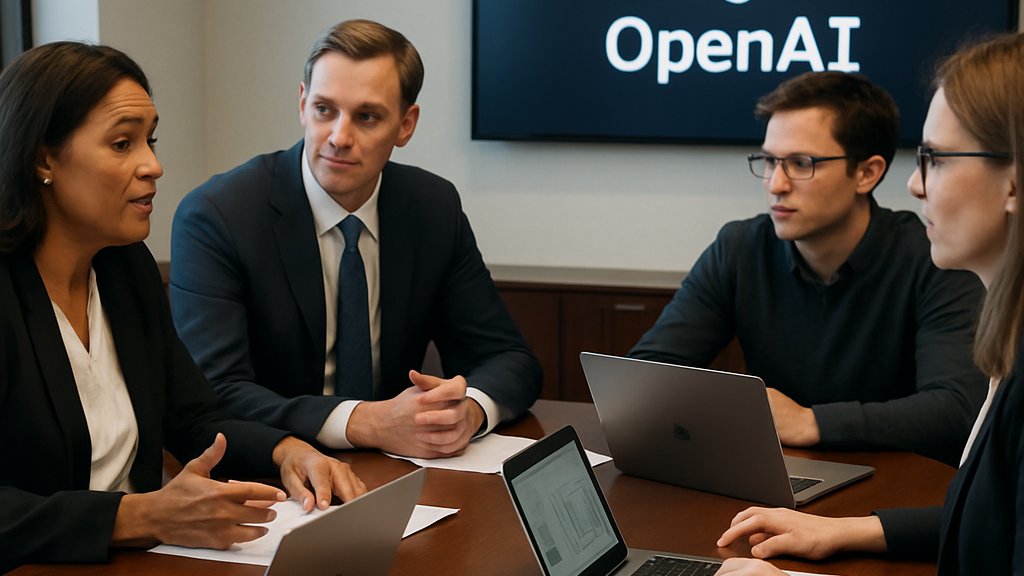
Key Notebook Lines Highlighted
Reporters have repeatedly quoted three phrases:
- “cannot say that we are committed to the non-profit.”
- “it’d be wrong to steal the non-profit from him.”
- “really not an idiot.”
Moreover, defense lawyers insist context mitigates any damaging inference. They emphasize surrounding brainstorming notes never shown publicly. Nevertheless, the OpenAI Testimony continues spotlighting these written doubts. At week’s end, Brockman called selective quoting “beyond dishonest” on social media. These exchanges remind founders that Personal reflections rarely stay private once litigation erupts. The section shows why notebook lines dominate headlines. However, deeper legal mechanics decide admissibility, addressed next.
These passages anchor the factual narrative. Subsequently, attention shifts toward the evidence rules shaping what the Jury finally hears.
Legal Admissibility Explained
Under Federal Rule 801(d)(2), a party-opponent’s statement is not hearsay. Consequently, plaintiffs may introduce Brockman’s Diary without authenticity battles. Furthermore, Rule 803(3) permits state-of-mind declarations even if hearsay objections arise. Therefore, the court allowed extensive quoting of handwritten passages. In contrast, defense teams fought to redact speculative comments lacking clear intent. Nevertheless, the judge balanced probative value against unfair prejudice under Rule 403.
Core Evidence Rules Overview
Three doctrines matter most:
- Admission by party-opponent (Rule 801).
- Then-existing motive or intent (Rule 803).
- Rule 403 proportionality balancing.
Moreover, discovery rules compelled production because OpenAI possessed the notebook in related suits. Consequently, the New York Times plaintiffs now seek broader access for their copyright case. The OpenAI Testimony thus influences parallel disputes. This section clarifies why personal scribbles often reach the Jury. Therefore, the narrative now turns to competing storylines each side advances.
Understanding these standards helps professionals anticipate evidentiary risks. Meanwhile, strategy arguments define the public battleground.
Arguments From Both Sides
Elon Musk’s lawyers frame the diary as a smoking gun. Additionally, they claim Brockman chronicled a scheme to divert mission assets. Moreover, press coverage cites potential damages approaching $134 billion. In contrast, OpenAI and Brockman depict reflective brainstorming, not deceit. They argue Musk joined many for-profit discussions contemporaneously. Consequently, Jury members must decide credibility and context. The OpenAI Testimony therefore pivots on interpretation rather than raw text.
Defense filings also reference OpenAI’s January 16 2026 blog post, “The truth Elon left out.” Furthermore, executives stress their continued research mission despite forming a capped-profit entity. Nevertheless, plaintiffs highlight Brockman’s private financial query. Meanwhile, Personal stakes remain enormous; testimony suggests Brockman’s holdings could exceed several billion dollars. Therefore, motives loom large.
Each narrative wields selective facts. Subsequently, broader governance implications demand examination.
Impacts On AI Governance
Mission-drift allegations resonate across technology philanthropy. Moreover, regulators observe how founders justify structural pivots. The OpenAI Testimony amplifies skepticism toward hybrid profit caps. Consequently, other nonprofits considering commercial moves may document deliberations more cautiously.
Corporate boards now weigh risks that Personal notebooks or chat logs become courtroom exhibits. Additionally, funding partners like Microsoft assess reputational exposure. In contrast, transparent communication can fortify stakeholder trust. Therefore, evidence lessons extend beyond this single Trial.
Professionals seeking deeper compliance insight can enhance their expertise with the AI Data Robotics™ certification. Moreover, structured learning supports ethical data stewardship. These governance concerns inform journalists as well. Consequently, accurate reporting demands meticulous verification, covered next.
Ethical governance remains an evolving field. However, diligent reporting standards remain timeless.
Reporting Accuracy Checklist Steps
Reliable coverage requires primary sources. Furthermore, reporters should secure court exhibits before quoting fragments. The following checklist aids that mission:
- Download Judge Rogers’s January 15 order for exact notebook citations.
- Retrieve May 4–6 transcripts detailing OpenAI Testimony exchanges.
- Verify damage calculations against the operative complaint.
- Cross-check any valuation figures with expert testimony.
- Confirm exhibit numbers when referencing the Diary.
Additionally, journalists should monitor docket updates following each discovery motion. Consequently, misquotes can be avoided, protecting public trust. Meanwhile, clear sourcing also shields outlets from defamation risk.
These steps promote accurate storytelling. Subsequently, attention shifts to upcoming courtroom milestones.
What Comes Next Stage
Closing arguments are scheduled for mid-June. Moreover, jury instructions will outline how to weigh Personal writings. Consequently, the deliberating Jury may focus on intent more than structural legality. Meanwhile, parallel copyright actions continue in New York, where Brockman’s notebook could resurface. The next ruling on the Times motion may arrive quickly.
Observers also await potential settlement talks. However, analysts note Musk might prefer precedent over payout. Therefore, corporate founders worldwide watch closely. The OpenAI Testimony already influences boardroom discussions about documentation practices. In contrast, regulators could cite the case when drafting future disclosure rules.
Upcoming milestones will redefine accountability. Consequently, stakeholders should stay informed through primary dockets.
Conclusion
The Brockman diary saga illustrates how candid reflections can shape monumental litigation. Moreover, evidence rules make private pages public when intent matters. Consequently, the OpenAI Testimony offers a live lesson in governance, discovery, and crisis communication. Professionals should study the checklist provided, pursue authoritative sources, and consider certifications that bolster compliance savvy. Therefore, stay engaged, keep verifying, and leverage emerging skills to navigate future high-stakes confrontations.
Disclaimer: Some content may be AI-generated or assisted and is provided ‘as is’ for informational purposes only, without warranties of accuracy or completeness, and does not imply endorsement or affiliation.


