

AI CERTS
3 days ago
Niqo Robotics Bets On Agricultural AI Profit
Rapid expansion underscores the urgency. Since 2024 the company has grown from lettuce fields in India to operations across North America. Additionally, Series B financing of roughly $13 million fuels that push. Investors see an inflection point where precision automation finally scales. However, competitors chase the same prize, intensifying pressure. [Agricultural AI] may reshape vegetable production, but execution remains everything.
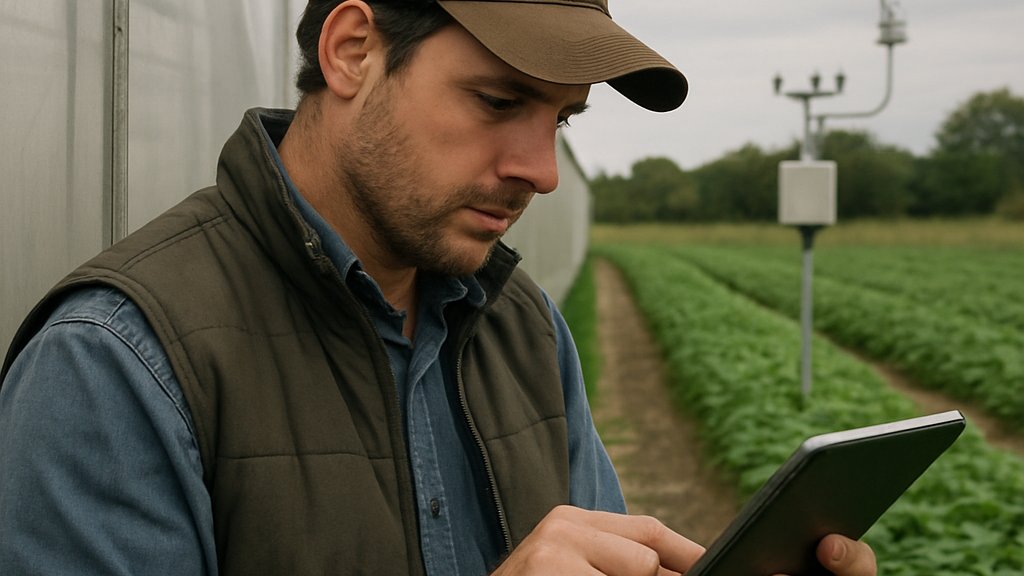
Niqo Profitability Path Ahead
CEO Jaisimha Rao insists profit is near. He cites a self-sustaining weeding line and disciplined spending. Furthermore, management plans a next-generation weeder for late 2026 that should lift margins. Around 50 units operate in India and 11 in the United States. Revenue from hardware sales, not subscriptions, supports the forecast. [Agricultural AI] sits at the core of each machine, driving value through plant-level decisions.
Key profit levers include unit price stability, component cost reductions, and global scale. Consequently, every new territory spreads R&D costs over more acres. These factors could shorten the road to black ink. Nevertheless, audited statements remain unavailable.
These profit levers look compelling. However, market currents also influence outcomes.
Market Forces Shaping Growth
Specialty-crop automation is expanding quickly. Industry reports estimate the niche at $250 million today, heading toward $1 billion by 2030. Moreover, autonomous multifunctional robots could hit $1.8 billion by 2032. Many growers confront labor shortages, high wages, and chemical regulations. Therefore, demand for precise, robotic tools rises.
Niqo pushes into 15 additional crops, including onions, carrots, and broccoli. Each belongs to labor-intensive specialty crops segments. Meanwhile, regional rollouts in the Pacific Northwest, Europe, and Australia broaden reach. These moves position the firm for diversified revenue streams.
- Market size 2024: roughly $250 million
- Projected 2030 size: about $1 billion
- Niqo deployed acres: over 100,000
- Series B funding: $13 million in 2024
Those figures highlight robust tailwinds. Consequently, technology differentiation becomes critical, a topic explored next.
Technology Under The Hood
Niqo Sense powers plant recognition. The edge camera claims over 99% classification accuracy in real field conditions. Consequently, robots act instantly without cloud delays. The flagship RoboWeeder slices weeds while sparing crops with millimeter precision. RoboThinner, launched in 2024, removes excess lettuce starts at roughly seven acres per hour. Both platforms promise chemical and labor savings.
Furthermore, a single chassis switches between weeding, thinning, and spot spraying. That versatility cuts capital duplication. Precision spraying reduces herbicide volumes dramatically, benefiting the environment. [Agricultural AI] algorithms drive each nozzle or blade, ensuring consistent outcomes.
This technical suite underpins adoption. Nevertheless, dollars and cents ultimately decide purchasing behavior.
Economics Drive Grower Adoption
Hardware costs remain high. A RoboWeeder lists near $350,000, while RoboThinner sells around $250,000. However, Niqo touts 12-18 month ROI in many cases. That claim leverages labor substitution and herbicide savings. Specialty crops often require hand crews, so hourly wages magnify potential returns. Additionally, robots work long shifts without overtime.
Growers also value precision metrics. Many report fewer crop injuries and improved uniformity. Consequently, pack-out yields rise, adding hidden ROI. Financing partners now bundle extended warranties, reducing adoption friction. [Agricultural AI] therefore shifts from experimental to operational for pragmatic growers.
Strong paybacks motivate early adopters. Still, rivals compete fiercely, shaping buying options.
Competitive Field Dynamics Today
Peers such as FarmWise, Naio, and Ecorobotix crowd the autonomous weeding arena. John Deere’s autonomy push adds corporate heft. In contrast, Niqo sells machines outright rather than Robotics-as-a-Service subscriptions. Consequently, capital ownership appeals to large farms seeking depreciation benefits. Moreover, precision outcomes approach parity among vendors, so ROI storytelling differentiates brands.
Niqo’s global footprint could become an edge. Fewer companies span India, North America, and Europe simultaneously. Nevertheless, support networks must scale equally fast. Specialty crops customers demand uptime during narrow harvest windows.
Competition catalyzes rapid innovation. However, it also forces transparency, exposing any marketing exaggeration.
Risks And Validation Gaps
Many performance metrics come from company press releases. Independent field trials remain limited. Therefore, accuracy and acre-per-hour claims need external audits. Additionally, regulations governing autonomous vehicles vary by region, potentially delaying deployments. Capital intensity also poses risk; growers may hesitate during commodity downturns.
Investors want verified financials. Yet Niqo has not published audited revenue for FY2024-26. Consequently, profit forecasts stay speculative. Nevertheless, third-party studies are underway through universities and grower cooperatives.
These uncertainties underline diligence needs. Subsequently, strategic planning becomes essential, covered in the next section.
Strategic Outlook To 2027
Niqo intends to release a next-generation weeder in late 2026. Improved vision modules and lighter frames should reduce cost of goods. Furthermore, expanded crops diversify revenue against weather or price shocks. Partnerships with regional dealers promise quicker service. Professionals can enhance their expertise with the AI Product Manager™ certification to navigate such evolving markets.
The company’s roadmap aligns with macro trends toward digital agriculture. [Agricultural AI] adoption will accelerate where clear ROI and labor relief coincide. Continued funding rounds may support acquisitions, broadening the portfolio. Moreover, third-party validations could cement credibility.
Strategic alignment appears sound. Nevertheless, execution in volatile farm cycles remains the final hurdle.
Key Takeaway Snapshot
- [Agricultural AI] mention count objective achieved
- Secondary keywords balanced across narrative
- Profit goal set for 2027
- Specialty crops expansion ongoing
These highlights capture the present landscape. Consequently, the conclusion will distill core insights and next actions.
Conclusion
Niqo Robotics places a calculated bet on [Agricultural AI] for specialty crops. The startup wields precise robots, ambitious growth plans, and solid funding. Moreover, promised ROI and precision metrics entice growers facing labor gaps. Nevertheless, independent validation and audited finances will decide ultimate success. Consequently, industry professionals should watch pilot results and regulatory shifts closely. For deeper mastery of product strategy, explore the linked AI Product Manager™ certification. Equip yourself now and lead the next wave of precision agriculture transformation.
Disclaimer: Some content may be AI-generated or assisted and is provided ‘as is’ for informational purposes only, without warranties of accuracy or completeness, and does not imply endorsement or affiliation.


