

AI CERTS
1 hour ago
Meta’s Hardware Delay Reshapes XR Plans
Furthermore, the postponement arrives amid proposed Reality Labs budget trims of up to 30 percent. Investors welcomed cost discipline, yet developers worry about slower platform evolution. Meanwhile, Meta strengthened its AI portfolio by acquiring Limitless, an audio-first wearable startup. These intertwined moves signal a broader strategic refocus that could redefine Meta’s spatial computing roadmap.
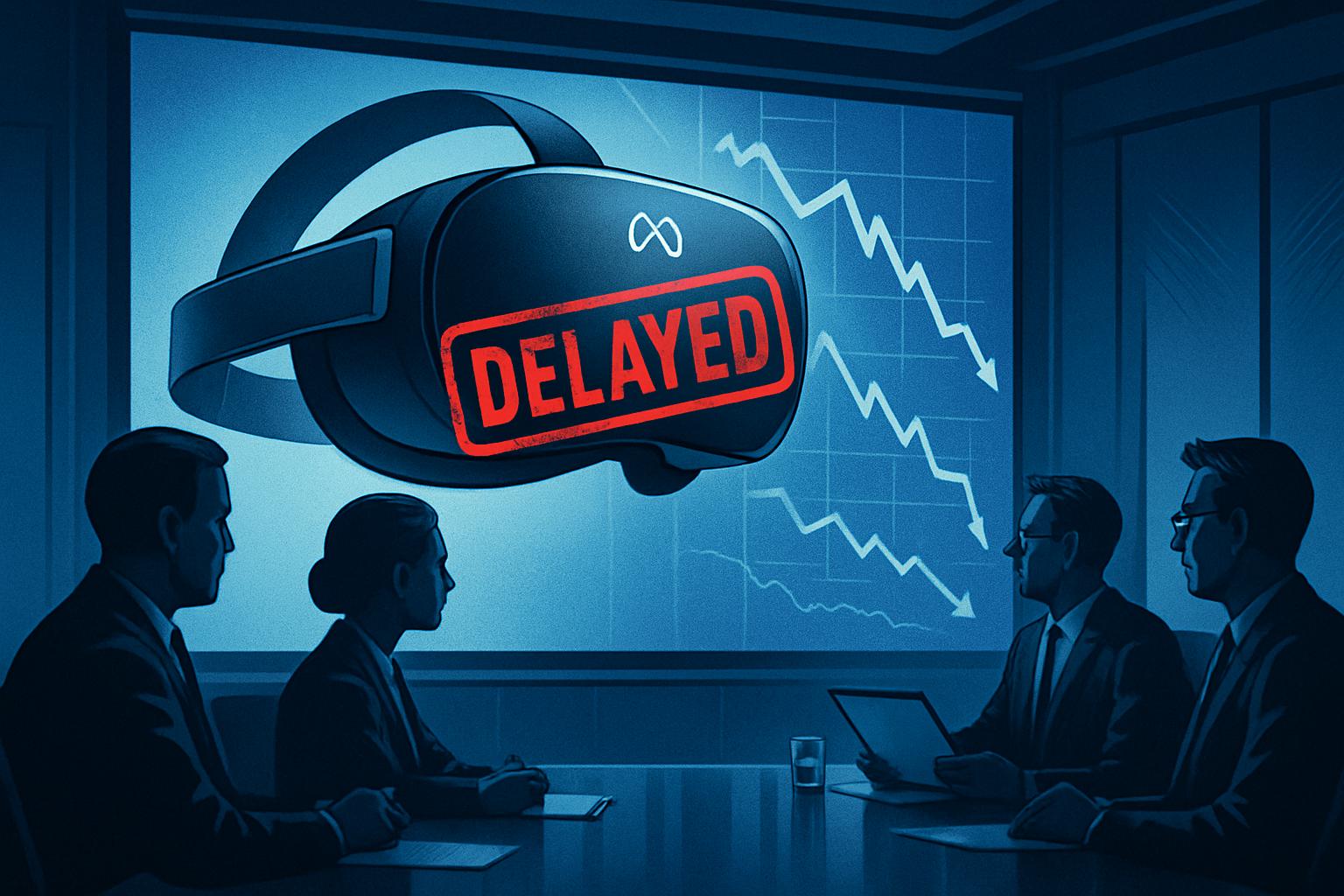
Nevertheless, rivals are not standing still. Apple, XREAL, and several Chinese entrants continue shipping headline devices. Consequently, the 2027 launch window now feels crowded. This introduction explores why the Hardware Delay matters, how stakeholders respond, and what professionals should watch next.
Shifting Mixed Reality Market
IDC estimates show headset shipments rebounded 18.1 percent in early 2025 after a sluggish 2024. Moreover, analysts forecast a high-teens compound annual growth rate through 2029. Mixed-Reality demand is shifting from bulky VR rigs toward lighter glasses, underscoring consumer appetite for day-long wear.
In contrast, supply remains constrained. Apple Vision Pro shipments reportedly sat near 400,000 units during its first year. XREAL and Viture focus on optical see-through designs, chasing larger volumes but lower margins. Consequently, Meta’s Hardware Delay leaves a gap competitors could fill.
Key market indicators reinforce that view:
- Meta held 50.8 percent share in Q1 2025, driven mainly by Quest headsets.
- IDC expects 2026 shipments to surge when several new glasses debut.
- Premium devices still represent under 5 percent of total XR volume.
These data points highlight both urgency and risk. However, additional polishing could prevent costly product missteps. The market context sets the stage for Meta’s internal decision.
Meanwhile, continued category growth keeps investor attention fixed on execution quality.
Inside Meta’s Delay Decision
Leaked memos from Reality Labs leaders Gabriel Aul and Ryan Cairns stressed quality over feature creep. “More breathing room to get the details right,” they wrote. Importantly, teams were warned not to add extras during the pause. That directive suggests weight, heat, and battery life remain priority pain points.
Additionally, Maher Saba, VP of the Foundation group, framed the Hardware Delay as necessary for a truly Polished Device. He emphasized sustainability rather than flashy specs. Such language signals a departure from earlier Quest cycles that favored rapid iteration.
The code-name Phoenix reflects this rebirth ethos. Previously dubbed Puffin, the project now targets the first half of 2027. Consequently, supporting software teams must realign roadmaps and developer kit schedules.
These decisions illuminate Meta’s evolving risk tolerance. Nevertheless, extended timelines raise stakeholder questions about lost momentum.
Product Specs Leaked
Anonymous sources describe Phoenix as 100-gram goggles tethered to a puck-shaped compute battery. Moreover, display resolution reportedly falls below Apple Vision Pro, trading fidelity for weight savings. Internal goals aim for all-day comfort, an essential trait for a truly Polished Device.
Rumors also mention custom silicon optimized for Meta’s Llama family AI models. Consequently, real-time translation and intelligent overlays could feature prominently. However, nothing is final, and Meta has not confirmed specifications following the Hardware Delay.
A focused feature set aligns with lessons from Quest content libraries. Fewer capabilities at launch can simplify developer onboarding and enhance reliability. Nevertheless, consumers will inevitably compare Phoenix against premium alternatives.
Such comparisons heighten the need for marketing clarity. Subsequently, detailed spec sheets will likely surface closer to 2027.
Budget Cuts Impact
Bloomberg reporting indicates Reality Labs may reduce annual spending by almost one-third starting 2026. Consequently, headcount reallocations and project sequencing become unavoidable. Analysts like Craig Huber labelled the shift “smart, just late,” arguing that financial discipline boosts near-term profitability.
However, community developers fear slower API updates and fewer launch titles. Quest owners rely on constant content refreshes to maintain engagement. Reduced budgets could constrain those pipelines, especially while Phoenix remains in flux.
The Hardware Delay compounds such concerns. Meanwhile, Meta’s purchase of Limitless diverts attention toward AI wearables. Integrating that pendant device may cannibalize resources originally earmarked for Phoenix.
Overall, fiscal prudence pleases Wall Street yet complicates engineering priorities. Therefore, communication clarity will be critical.
Competition Landscape Heats Up
Apple, with Vision Pro, defines the high-end benchmark despite limited volumes. Additionally, XREAL and TCL flood retail channels with sub-$500 glasses. These vendors iterate quickly, sometimes releasing updates every nine months. In contrast, Meta now waits until 2027.
Furthermore, third-party ecosystems form around open Android XR stacks. Developers chasing immediate revenue may prioritize those platforms over Quest newcomers. Consequently, Meta risks eroding early mover advantages earned in VR.
Nevertheless, brand scale still matters. The company shipped more than eight million Quest units since 2023. Marketing muscle and storefront reach can reclaim attention if Phoenix launches as a truly Polished Device.
Competitive pressures intensify each quarter. Therefore, stakeholders will watch engagement metrics closely until the delayed glasses arrive.
Strategic Outlook Ahead
Reality Labs must now synchronize three moving parts. First, finalize Phoenix hardware despite the Hardware Delay. Second, maintain Quest momentum through incremental updates and content. Third, integrate Limitless talent to infuse AI features across wearables.
Key Numbers Recap List
The following figures summarize critical milestones:
- Hardware Delay timeline: 2H 2026 ➜ H1 2027.
- Reported Reality Labs cuts: up to 30 percent.
- Projected XR CAGR 2025-2029: high-teens to 30 percent.
Professionals seeking strategic upside can deepen expertise through the AI Executive Essentials™ certification. Understanding AI’s intersection with XR will prove invaluable as markets converge.
Consequently, cross-disciplinary leaders will shape future spatial experiences. The Hardware Delay offers time to refine skill sets before Phoenix reaches shelves.
These strategic pillars guide Meta’s road ahead. However, execution discipline will determine ultimate success.
In summary, Meta’s Hardware Delay reshapes the mixed-reality narrative. Quality gains may justify patience, yet rivals advance quickly. Furthermore, budget trims complicate content pipelines, and Phoenix must emerge as a truly Polished Device. Professionals should monitor roadmap disclosures, developer kit timelines, and regulatory responses to AI wearables. Meanwhile, expanding your knowledge through targeted certifications can position you for upcoming XR opportunities.
Therefore, stay informed, build relevant expertise, and prepare to innovate when Phoenix finally lands.


