

AI CERTS
4 days ago
iOS 27 Delivers iPhone AI Choice With Siri Extensions
In contrast, older releases limited external answers to ChatGPT alone. Therefore, developers, regulators, and rivals are watching WWDC 2026 closely. Apple has not confirmed details, yet industry leaks outline substantial privacy safeguards. Meanwhile, investors sense new subscription revenue flowing through the App Store. Consequently, the stakes for Apple’s ecosystem partners have rarely been higher.
Apple Opens Siri Ecosystem
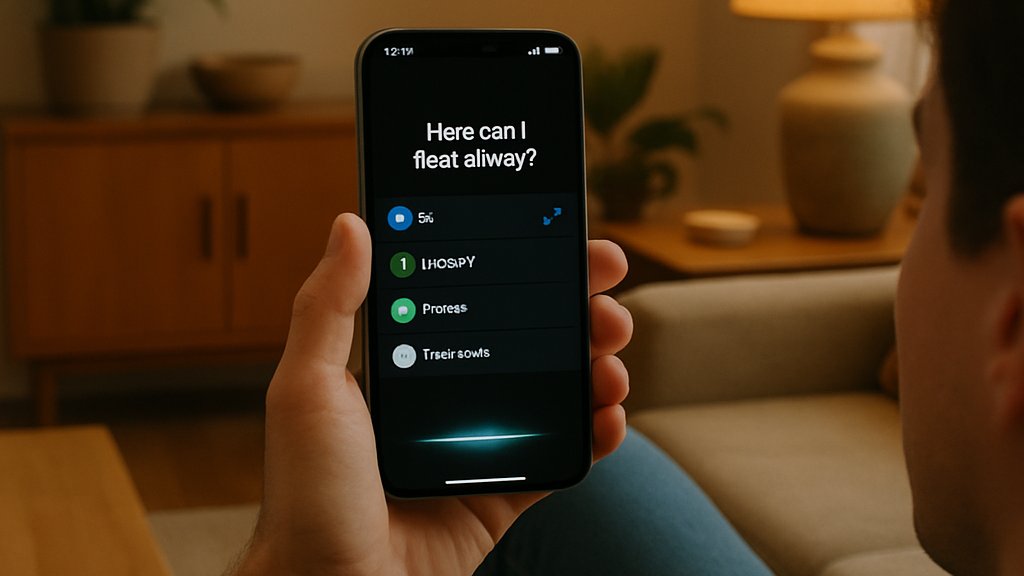
At its core, iOS 27 dismantles ChatGPT exclusivity. Consequently, the company will expose a new permission layer named Siri Extensions. This layer lets installed chatbot apps register themselves as selectable agents. However, selection happens inside familiar Siri UI elements rather than in each separate app. Users will see contextual buttons offering immediate iPhone AI Choice per request. For example, writing help could default to Claude while coding advice routes to Grok. Moreover, Apple plans clear Settings toggles to define global or per-task defaults.
Bloomberg sources described these toggles as similar to browser default menus. Therefore, onboarding friction should stay minimal for mainstream audiences. These controls underline Apple’s pivot toward openness. Consequently, rivals finally gain first-class surface area on iOS devices. The competitive ripple effects deserve closer examination.
Competitive Landscape Quickly Evolving
Google, Anthropic, xAI, and Microsoft are already drafting integration roadmaps. Meanwhile, Gemini, Claude, and Grok give each vendor unique tonal strengths. OpenAI must now defend share rather than enjoy baked-in dominance. In contrast, Google stands to gain access to over two billion devices without shipping hardware. Gemini already powers Android features, so cross-platform exposure broadens monetization. Subsequently, Anthropic positions its model as a privacy-centric alternative aligned with Apple’s marketing. xAI markets Grok as candid and fast, courting power users. Moreover, Apple can charge all providers the standard 15-30% App Store fee on in-app upgrades. Consequently, new service bundles could appear in subscription menus.
- Gemini: Google’s flagship conversational model
- Claude: Anthropic’s safety-focused assistant
- Grok: xAI’s candid chatbot
- ChatGPT: OpenAI’s established leader
Competition will fuel quicker model iterations under the banner of iPhone AI Choice. However, technical integration details remain the next hurdle.
Technical Framework Underneath Extensions
Apple engineers built Extensions atop existing Intents and App Extensions APIs. Therefore, developers familiar with Shortcuts should adapt quickly. Each chatbot declares supported domains like writing, coding, or image generation. Consequently, Siri routes the request using on-device heuristics before any cloud handoff. Private Cloud Compute mediates outbound traffic, stripping identifiers to protect users. Moreover, third parties receive only the minimal context required to answer.
Latency budgets reportedly target sub-three-second round trips. Nevertheless, larger multimodal calls may still bounce to vendor clouds. Providers must respect Apple content filters to avoid offensive outputs. These guardrails keep experience coherent, sustaining Apple’s promise of iPhone AI Choice. The privacy tradeoffs lead naturally into architectural discussion.
Privacy Architecture And Constraints
Apple brands its blended approach as Private Cloud Compute. Moreover, sensitive data stays on device unless a third-party call is essential. When data leaves, temporary servers discard logs after the response. However, external partners like Gemini still need telemetry for learning. Apple forbids long-term retention, forcing providers to adjust pipelines. Consequently, some vendors may maintain duplicate models tuned for Apple traffic. Regulators will test whether promised safeguards match practice.
Meanwhile, security researchers will inspect WWDC betas for packet traces. Transparency reports could add credibility over time. Strong privacy remains Apple’s competitive brand pillar supporting trusted iPhone AI Choice. Business economics also shape the rollout, as explored next.
Business Incentives For Providers
Subscription up-sell stands as the obvious carrot. Furthermore, Apple may spotlight assistants inside App Store collections. Gemini Premium or Claude Pro could surface alongside Apple Music bundles. Consequently, revenue sharing mirrors existing media and cloud services. Analysts predict billions in annual gross, given high engagement forecasts. Moreover, varied price tiers let users sample before locking in. Corporate buyers gain a new procurement channel through Apple Business Manager.
In contrast, OpenAI previously negotiated directly with enterprises for ChatGPT licenses. Now, every assistant competes on equal billing rails. Revenue alignment clarifies incentives but not legal pressures around iPhone AI Choice. Those pressures anchor the regulatory landscape ahead.
Regulatory And Litigation Context
xAI sued Apple and OpenAI in 2025 over alleged favoritism. Nevertheless, opening iOS 27 could weaken those claims and validate iPhone AI Choice. Choice among leading assistants such as Claude or Grok undermines exclusivity arguments. However, Apple still controls distribution terms, keeping antitrust lenses focused. Developers complain about the 30% cut and mandatory review. Consequently, regulators may ask whether Siri Extensions qualify as an essential facility. European DMA rules already force browser and payment choice screens.
Therefore, Apple could apply similar disclosures to assistant selection. Observers will watch WWDC documentation for compliance signals. Legal clarity will evolve through court filings and policy statements. Developers, meanwhile, prepare code to meet the new framework.
Preparing Developers And Leaders
WWDC labs will release documentation, sample code, and human interface guidelines. Consequently, early adopters should integrate Siri Extensions hooks before the public beta. Testing should cover latency, privacy prompts, and fallback logic. Moreover, product leaders should revisit roadmap assumptions about default AI behavior. iPhone AI Choice means no single model defines user experience.
Additionally, training materials must mention top assistants and their options. Professionals can enhance their expertise with the AI Product Manager™ certification. Therefore, certified teams will navigate shifting integrations faster. Internal governance forums should monitor Apple documentation updates monthly. Preparation reduces future migration pain. Attention now turns to Apple’s June keynote.
Apple’s pending rollout resets platform power dynamics. Consequently, developers gain unprecedented agency to shape iPhone AI Choice experiences. Users will weigh speed, tone, and privacy when toggling their personal iPhone AI Choice. Moreover, Apple secures fresh revenue streams while softening antitrust risk. Meanwhile, providers must optimize latency and comply with Private Cloud Compute constraints. Therefore, now is the moment to study WWDC sessions, pursue the AI Product Manager™ credential, and prepare roadmaps.
Disclaimer: Some content may be AI-generated or assisted and is provided ‘as is’ for informational purposes only, without warranties of accuracy or completeness, and does not imply endorsement or affiliation.


