

AI CERTS
7 months ago
Impersonation Fraud: Spotify’s AI Copycat Crisis Explained
The controversy illuminated a deeper pattern now labeled Impersonation Fraud within streaming ecosystems. Moreover, deceptive uploads dilute royalties, erode listener trust, and jeopardize brand integrity for legitimate services. Regulators, labels, and developers scramble to balance innovation with protection. Additionally, artists demand stronger guardrails after signing open letters condemning misuse. This article unpacks the technical, legal, and commercial dimensions of the crisis. Readers will gain a concise roadmap for detecting threats, understanding policy shifts, and securing future revenue. Throughout, we examine why Impersonation Fraud challenges every stakeholder, from independent creators to multinational rights holders.
Rising Copycat Clone Threat
Copycat uploads flourish because distribution pipelines remain mostly automated. Furthermore, low entry fees encourage mass submissions from anonymous accounts.
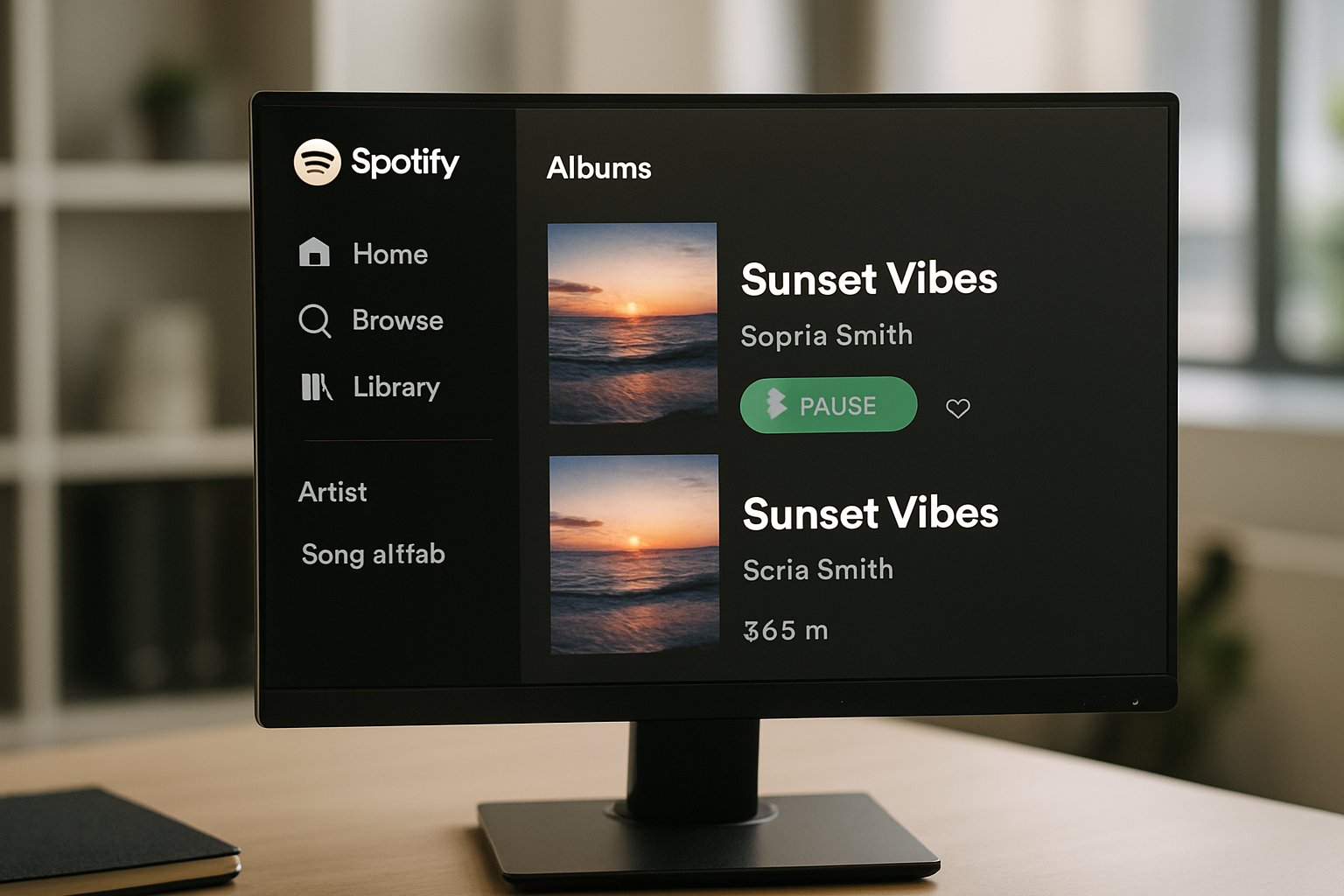
Bad actors remix open-source models, scrape vocals, and release plausible tracks within minutes. Moreover, distributors often lack granular verification of performer identity.
In this environment, Impersonation Fraud scales quickly, exploiting royalty pools designed for legitimate creators. Deception spreads faster than traditional piracy.
Such relentless deception drains money and goodwill alike. However, stronger platform governance is beginning to slow the tide.
Spotify Policy Response Steps
Spotify faced mounting pressure after the King Lizard Wizard scandal. Consequently, the company unveiled reinforced rules against AI impersonation in September 2025.
The policy bans synthetic vocals that mimic real voices without consent. Additionally, a new music spam filter now blocks duplicated or low-quality submissions.
The service reported removing over 75 million suspect tracks within twelve months. In contrast, earlier purges rarely topped ten million.
These measures explicitly target Impersonation Fraud while preserving legitimate experimentation. Nevertheless, artists want clearer disclosure labels before tracks reach playlists.
The recent update also adopts DDEX metadata tags to flag AI involvement. Therefore, distributors must supply accurate credits or risk takedowns.
The platform’s stronger stance demonstrates accountability. However, continuous monitoring remains essential as fraud techniques evolve.
Policy progress reassures many stakeholders. Still, the next section reveals why an isolated case sparked global headlines.
King Gizzard Incident Details
King Gizzard & the Lizard Wizard withdrew their catalog during contract renegotiations. Meanwhile, an unknown producer uploaded “Dreams of Amber,” attributing it to “King Lizard Wizard.”
Fans of King Gizzard noticed the mismatch because artwork, song titles, and vocal tone mirrored the Australian band. Furthermore, playlist algorithms recommended the counterfeit release within hours.
The group condemned the Deception on social media, calling it “a digital grave robbing.” Consequently, the platform removed the album and banned the uploader.
Observers labeled the saga a textbook case of Impersonation Fraud, proving existing filters still miss nuanced stylistic cloning.
These events illustrate reputational damage beyond lost royalties. However, legal instruments to punish offenders remain patchy, as our next section explores.
Legal Lines Blur Rapidly
Legal remedies against voice cloning differ across jurisdictions. For example, Tennessee’s ELVIS Act grants explicit voice likeness rights. In contrast, federal proposals remain stalled.
Attorneys note that copyright alone rarely stops sophisticated audio clones. Moreover, personality rights apply only when a recognizable voice or name is misused.
Impersonation Fraud therefore falls into a patchwork of publicity, consumer protection, and unfair competition statutes. Consequently, litigation becomes slow and costly.
Major labels now prefer negotiated settlements over court battles. Additionally, recent Suno and Warner agreements demonstrate this pragmatic pivot.
Regulatory uncertainty fuels further Deception because penalties seem remote. Nevertheless, momentum is building for standardized voice protections in 2026.
Fragmented laws hinder immediate relief. Yet, commercial pressure is nudging policymakers toward harmonized solutions, as revenue data makes clear next.
Music Industry Revenue Stakes
Streaming now represents sixty-nine percent of recorded revenue, according to the 2024 IFPI Global Music Report. Moreover, paid subscriptions reached 752 million accounts worldwide.
The Music Industry risks substantial losses when fraudulent tracks siphon even a fraction of payouts. Consequently, investors watch enforcement metrics closely.
The service reported that 75 million spam tracks vanished in one year. However, analysts suspect many remain undetected.
Indeed, the Music Industry already reallocates policing budgets to safeguard credibility.
- Global recorded revenue 2024: US$29.6 billion
- U.S. paid subscriptions 2024: 100 million
- Suspect tracks removed: 75 million
- Estimated royalty dilution: still unmeasured
These numbers contextualize the scale of Impersonation Fraud relative to legitimate growth.
Market realities expose financial urgency. Therefore, strategic licensing emerges as an attractive alternative, explored in the following section.
Towards Licensed AI Models
Labels now seek cooperation rather than conflict with generative platforms. For instance, Warner’s late-2025 deal with Suno licenses catalogs while offering artist opt-in controls.
This model mandates revenue sharing and training transparency. Furthermore, download limits prevent wholesale replacement of human work.
Advocates argue that licensed models reduce Impersonation Fraud and limit Deception by normalizing permissions and creating auditable data trails.
Nevertheless, some creators fear renewed gatekeeping as major firms consolidate bargaining power. Additionally, independent distributors request inclusion in negotiations.
Licensed collaboration promises predictable returns. Yet, technical safeguards still require vigilant deployment, leading naturally to best practices.
Mitigation Best Practice Guide
Security teams should build layered defenses around ingestion workflows. Moreover, distributor dashboards must verify identity using government IDs and biometric checks.
Regular audits must flag Impersonation Fraud indicators before tracks reach public playlists.
Secondly, acoustic fingerprinting with continual model updates catches stylistic copycat attempts within minutes.
Professionals can enhance their expertise with the AI Ethics Navigator™ certification.
Thirdly, transparent AI disclosures, surfaced through DDEX credits, foster listener trust and support legitimate innovation.
Collectively, these steps shrink the surface area for Impersonation Fraud.
Mitigation requires constant iteration. Consequently, concluding insights will consolidate lessons for decision-makers.
The copycat surge exemplifies how generative audio outpaces legacy safeguards. However, recent policy shifts, licensing deals, and legal momentum show meaningful progress. Platforms must maintain transparent labeling, while labels share data to refine filters. Additionally, regulators should harmonize voice rights for swift enforcement. The Music Industry, therefore, stands at a critical inflection point. Stakeholders who embrace layered verification, ethical AI design, and ongoing education will protect revenue and reputation. For deeper mastery, consider the AI Ethics Navigator™ program and other expert resources.
Disclaimer: Some content may be AI-generated or assisted and is provided ‘as is’ for informational purposes only, without warranties of accuracy or completeness, and does not imply endorsement or affiliation.


