

AI CERTS
1 hour ago
China’s Surveillance State Expands Despite New Facial Rules
This article dissects the new regulatory measures, ongoing deployments, and international ripple effects. Furthermore, it highlights market leaders, export trends, and unresolved ethical dilemmas. Readers will gain data-driven context for strategy, investment, and compliance decisions. Meanwhile, a linked certification can deepen technical mastery for professionals steering future Security initiatives.
Policy Shift Dynamics Explained
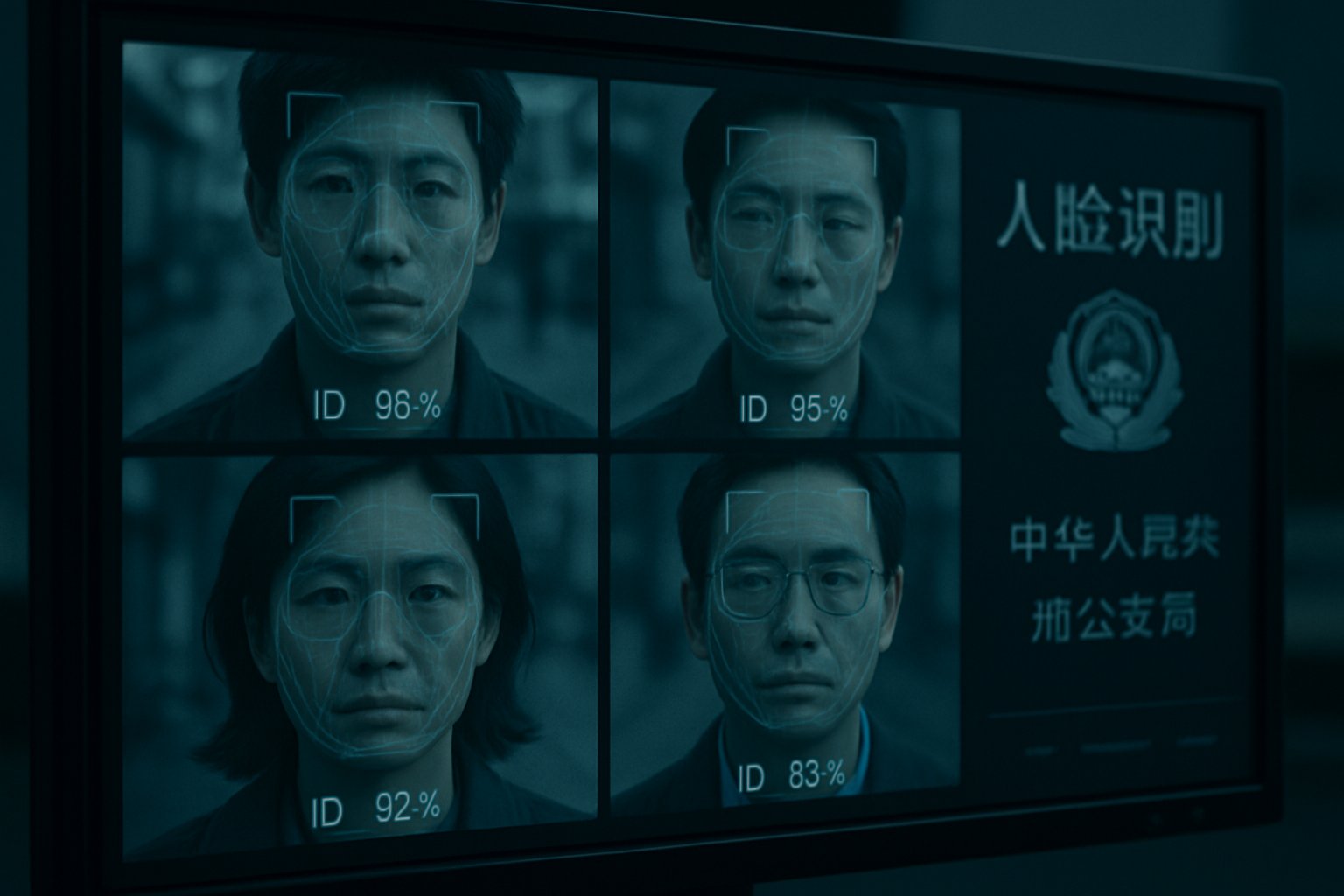
The March 2025 measures emerged from the Cyberspace Administration and the Ministry of Public Security. They mandate consent for commercial facial recognition and demand impact assessments from shopping malls, banks, and hotels. However, law-enforcement exemptions mean the Surveillance State retains broad biometric powers. In contrast, private firms now face visible signage requirements and audits.
Observers therefore describe a dual-track model: constrained business use, unconstrained public Policing use. Consequently, compliance officers must map data flows carefully before deploying Smart City analytics. Failure to adapt could trigger fines or license suspensions under the Personal Information Protection Law.
These rules reshape corporate risk. Nevertheless, state projects advance unchecked. The next section explores how police networks continue expanding.
Expanding Police Camera Network
Police Cars now leave stations equipped with roof-mounted cameras, LTE modems, and edge processors. Moreover, live feeds stream to municipal command centers branded as Smart City brains. Analysts estimate 600-700 million cameras nationwide, though official counts remain undisclosed. Consequently, the Surveillance State edges closer to full spatial coverage.
Sharp Eyes integrates private storefront cameras with street systems, linking small towns into the same network. Additionally, one Chongqing district reported 27,900 devices stitched into a unified grid. Such density allows real-time Recognition against wanted-person watchlists. Consequently, Policing efficiency rises, but false matches carry legal and humanitarian risks.
Deployment speed is accelerating across provinces. However, technical and governance gaps persist, as the following vendor analysis shows.
Technology And Key Vendors
Hikvision and Dahua supply low-cost 4K cameras, while SenseTime and Megvii license algorithms bundled on servers. Moreover, Huawei pitches integrated Smart City operating systems that fuse traffic, health, and commercial data streams. Together, these firms hold roughly one-third of the global surveillance hardware market. Consequently, purchasers gain plug-and-play toolkits for rapid Security modernization.
- Hikvision and Dahua: one-third global camera share.
- SenseTime and Megvii: leading algorithm suppliers for live scans.
- Huawei: Smart City "brain" integrator for traffic and public safety.
International demand remains high, spanning Latin American capitals to Gulf monarchies seeking predictive Policing dashboards. Nevertheless, rights groups warn that exported code mirrors domestic Surveillance State capabilities. Professionals can enhance their expertise with the AI Network Security™ certification. Such credentials help teams vet vendor claims and audit algorithm bias.
Vendor dominance shapes global standards. In contrast, exporting nations face rising reputational and regulatory exposure, discussed next.
Global Surveillance Export Impacts
More than 80 governments have procured Chinese Smart City packages, according to CSET mapping. Consequently, domestic norms around consent and oversight now influence foreign legal landscapes. In Kenya, for instance, Police Cars patrol Nairobi using Chinese camera arrays linked to central servers. Meanwhile, Ecuador’s ECU-911 system routes alerts through a Huawei control room.
Rights advocates argue such transfers replicate the Surveillance State abroad without local safeguards. Therefore, multilateral forums debate export controls and human-rights due diligence. Additionally, Western lawmakers propose blacklists targeting specific algorithm suppliers. Investors should track these moves, because compliance costs can spike suddenly.
Export momentum remains strong. Nevertheless, political pushback is intensifying, as privacy concerns deepen. The next section examines those privacy debates.
Privacy Risks Debate Intensifies
Human Rights Watch documents algorithmic flagging of Uyghur minorities for interrogation. Moreover, academic tests reveal demographic bias in many Recognition models, especially under low light. False positives can detain innocent citizens, undermining Security legitimacy. Nevertheless, officials claim the systems deter crime and aid emergency response.
Legal scholars criticize the March 2025 measures for ignoring live watchlist Policing limits. Consequently, the Surveillance State enjoys vast discretion over deployment scope, retention periods, and data fusion. In contrast, private malls must delete facial templates within six months unless renewed consent exists. Furthermore, audit mechanisms for police use remain opaque and largely internal.
Civil-society pressure is rising. Therefore, companies should anticipate stricter global rules, outlined in the final takeaways.
Strategic Takeaways Moving Ahead
Executives overseeing Smart City bids must evaluate vendor roadmaps, update risk registers, and budget for audits. Moreover, Policing agencies should trial systems offline to measure false-match rates before full launch. Data officers need protocols that separate investigative evidence from routine traffic monitoring. Subsequently, clear deletion schedules can balance Security needs with proportionality mandates.
Boards should monitor export-control debates because sudden sanctions can disrupt supply chains. Additionally, cross-training staff through the previously mentioned certification strengthens in-house assessment skills. Consequently, organizations stay agile even as the Surveillance State evolves. Anticipating regional privacy reforms now reduces retrofit costs later.
Prepared teams will navigate shifting rules. Meanwhile, unprepared rivals risk fines, reputational loss, and stalled projects.
Conclusion
China’s Surveillance State continues to mature amid selective regulatory tightening. Private firms face higher bars, yet public-Security organs keep scaling. Moreover, Police Cars, city brains, and vast camera grids push live Recognition into daily life. Consequently, urban tech exports spread Chinese technical norms abroad. Nevertheless, rights advocates and policymakers are crafting stronger guardrails. Therefore, leaders should track policy updates, test systems rigorously, and pursue certifications. Explore the AI Network Security™ pathway today and build resilient, rights-respecting deployments. Failure to understand the Surveillance State may expose investments to sudden regulatory shocks. Stay informed as the Surveillance State reshapes global surveillance markets.


