

AI CERTS
2 hours ago
Canal+ Advances Media Personalization Technology with Google AI
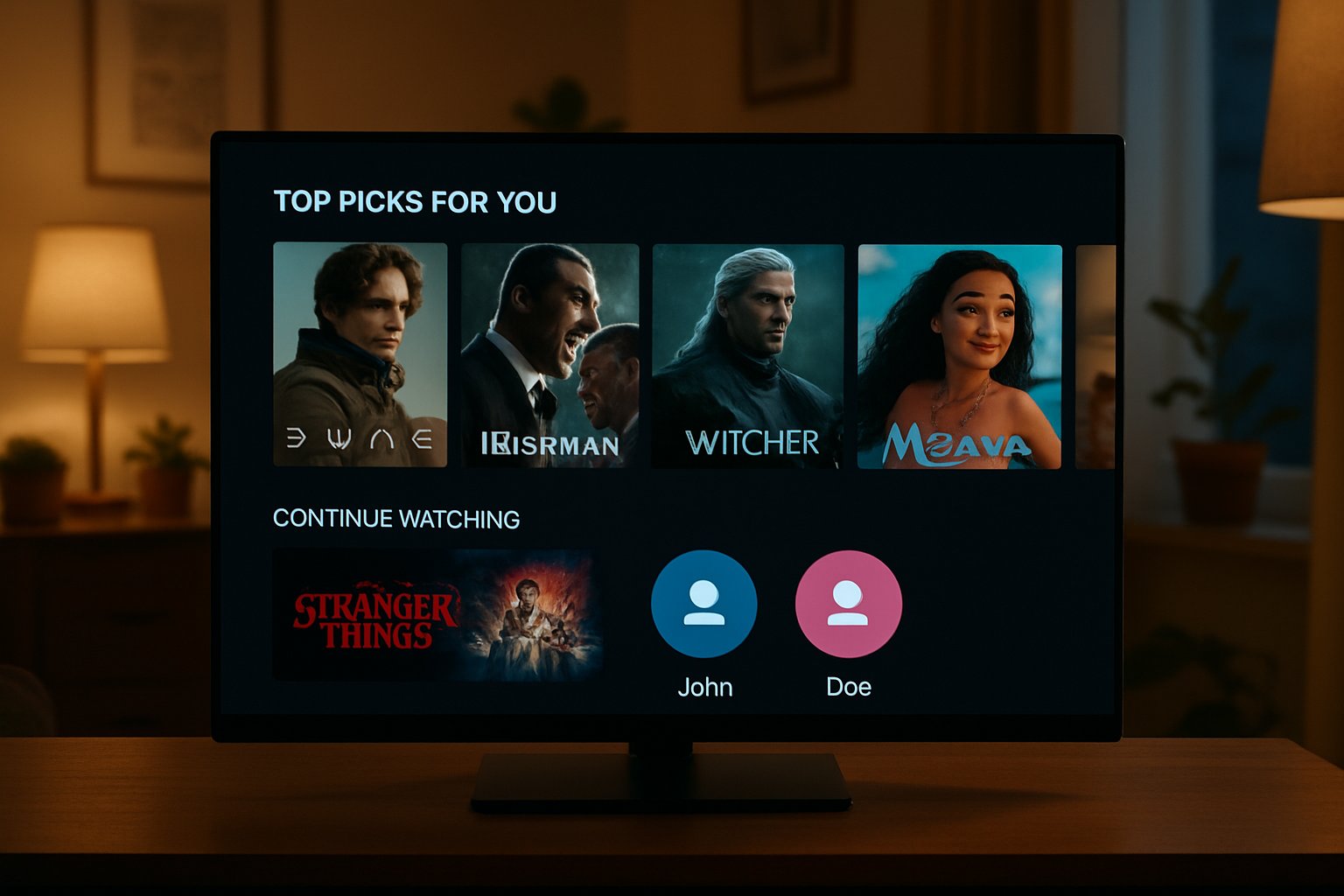
The partnership covers Europe and Africa, where Canal+ holds nearly 40 million customers. Moreover, the rollout will start in June 2026, aligning with updated Canal+ App releases. Subscribers should soon issue natural-language requests and receive precise suggestions. Meanwhile, production teams will test generative tools that recreate historic scenes within seconds. These developments redefine competitive stakes for regional broadcasters.
Deal Signals Market Shift
Industry analysts describe the move as defensive and ambitious. However, Canal+ leaders frame it as creative liberation. Stéphane Baumier, CTO, said the project “gives the group a significant edge.” Matt Renner of Google Cloud added, “The entertainment industry is at a pivotal inflection point.” Both statements underline urgency.
Furthermore, the agreement complements a separate OpenAI partnership. That layer powers search and recommendation logic, while Google handles content indexing and generative video. Together, the stack promises end-to-end personalization. Paris investors responded positively, citing potential EBITA benefits.
These reactions highlight Canal+ strategy. Nevertheless, real value emerges only after operational deployment. Therefore, understanding the technical foundation is crucial.
Indexing Powers Smart Discovery
Google Cloud will classify the entire Canal+ library. Multimodal content indexing extracts objects, faces, dialogue, and sound cues. Consequently, the app can match nuanced tastes, not just genre tags. For example, fans could ask, “Show thrillers set in 1980s Paris featuring rooftop chases,” and receive instant results.
Moreover, richer metadata supports adaptive promotions across devices. Canal+ predicts stronger engagement and reduced churn. In contrast, legacy rule-based catalogs often bury niche gems. Multimodal search flips that model.
Key discovery benefits:
- Sharper viewer retention through hyper-targeted tiles
- Lower marketing spend via automated segmentation
- New ad inventory aligned with scene-level sentiment
Consequently, the group can monetize more effectively while serving fans better. These advantages summarise the strategic weight of smart discovery. Subsequently, creative workflows come into focus.
Veo 3 Boosts Creativity
Google’s Veo 3 model generates short video clips with native audio. Additionally, it allows rapid scene pre-visualization. Directors can experiment before expensive shoots. Canal+ production units, including StudioCanal, will access the tools inside a secure environment.
Furthermore, archival photographs can morph into dynamic sequences, recreating lost moments. That capability saves time and fuels fresh storytelling. Nevertheless, rights management remains sensitive. Canal+ insists creators retain control and that assets stay encrypted.
Experiments already show promising numbers: pre-production cycles drop by 30 percent on pilot projects. Therefore, budget flexibility increases. These efficiency gains reinforce earlier discovery benefits. However, compliance questions now surface.
Regulatory Hurdles Loom Large
EU lawmakers finalised the AI Act in 2025. Article 50 mandates machine-readable provenance tags for synthetic media by August 2026. Consequently, Canal+ and Google must watermark every AI-generated frame.
Moreover, GDPR imposes strict rules on biometric data within content indexing. Data Protection Impact Assessments are mandatory, especially when facial recognition spans 70 countries. In contrast, North African jurisdictions follow different privacy models, complicating rollout.
Nevertheless, Canal+ maintains that Google Cloud provides robust audit logs and encryption keys. Paris regulators will likely review implementation plans soon. These oversight pressures encourage transparent governance. Subsequently, financial upside warrants examination.
Business Impact And Metrics
Management links Media Personalization Technology directly to revenue growth. Canal+ preliminary FY-2025 numbers show rising adjusted EBIT, yet management eyes larger gains.
Projected 2027 metrics include:
- 10-15 percent uplift in average viewing hours
- 5-8 percent reduction in churn across African markets
- 20 percent cost savings on early-stage production
Moreover, better personalization supports future advertising models. Consequently, investors view the Google pact as accretive. Nevertheless, talent development emerges as a parallel imperative.
Skills And Certification Upside
Creative staff must master prompt engineering, multimodal tagging, and ethics. Professionals can enhance their expertise with the AI Design certification. Furthermore, Canal+ is building internal academies focused on Media Personalization Technology.
Additionally, cloud architects will refine Vertex AI pipelines, while compliance officers audit Article 50 measures. These human layers anchor technical progress.
The training focus summarises Canal+ holistic plan. However, market dynamics remain fluid. Therefore, stakeholders should watch coming milestones.
Future Outlook For 2026
Deployment begins in June 2026, starting with French and Polish apps. Subsequently, African launches follow in Q4. Canal+ aims to showcase early wins during the Paris Games broadcast window. Moreover, competitive reactions from Netflix and Amazon will shape the narrative.
Nevertheless, success depends on secure rights handling and clear consumer trust signals. If those elements align, Media Personalization Technology could redefine regional streaming standards.
These prospects close the strategic loop. Consequently, the industry braces for accelerated innovation.
Conclusion
Canal+ embraces Google Cloud to embed Media Personalization Technology across discovery and production. The alliance merges advanced content indexing, Veo 3 video generation, and stringent compliance. Furthermore, projected engagement, cost, and revenue benefits strengthen the business case. Nevertheless, regulatory and rights challenges demand vigilant governance. Interested professionals should explore certification paths to stay competitive. Apply new skills now and lead the next wave of streaming innovation.


