

AI CERTS
2 months ago
AI Security Vulnerability Drives 72-Hour Patch Mandate Debate
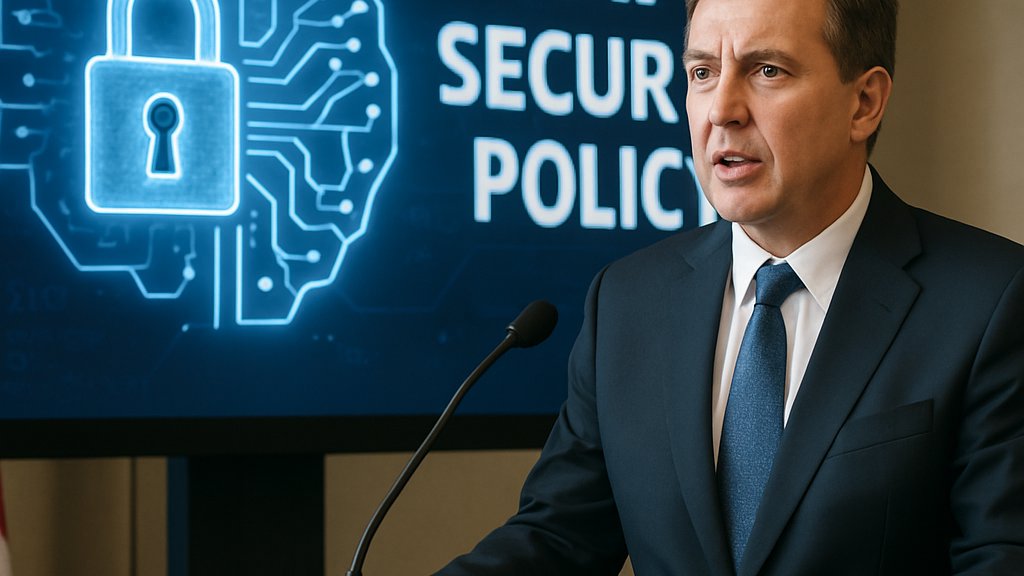
Meanwhile, the UK NCSC warns of a looming “patch wave” driven by frontier models like Anthropic's Mythos. Attackers harness Machine speed, shrinking discovery-to-exploit cycles that once spanned weeks.
Therefore, security teams must rethink tooling, culture, and governance to survive the new tempo. Moreover, it grounds every insight in verifiable research from CISA, NCSC, and academic studies. By the end, leaders will grasp realistic next steps and certification paths to strengthen resilience.
AI Shrinks Patch Timelines
Historically, organizations enjoyed several weeks between disclosure and mass attacks. In contrast, CISA data shows 29% of KEV flaws faced an exploit on publication day.
Anthropic's Project Glasswing demonstrates how agentic AI chains tasks to weaponize code in minutes. Moreover, vendor telemetry indicates attackers complete reverse engineering of patches within 72 hours.
Such Machine speed compresses the defender's decision loop beyond human scheduling norms. Therefore, the practical patch window now mirrors attacker velocity, not vendor disclosure cadence.
Experts argue the result is an unavoidable AI Security Vulnerability risk unless remediation matches that cadence. Consequently, a formal 72-hour target is gaining policy traction.
The timeline data speaks loudly; three days may already be generous. However, turning aspiration into regulation falls to governments now weighing mandates.
Government Considers 72 Hours
Reuters revealed internal U.S. talks about cutting KEV deadlines from fourteen days to three. Meanwhile, Emergency Directives already impose 24-72 hour fixes for selected zero-days.
Moreover, the UK NCSC echoed urgency by publishing AI Security Vulnerability guidance for a looming “patch wave.” Officials argue shorter timelines align policy with Machine speed realities.
Nevertheless, some agencies cite testing risk, resource gaps, and legacy constraints as obstacles. CISA acting director Nick Andersen reportedly favors incremental enforcement beginning with high-impact CVEs.
Therefore, observers expect a phased rollout rather than an instant universal rule. Any decision will redefine AI Security Vulnerability compliance cost models, contractual SLAs, and federal audit metrics.
These deliberations illustrate regulatory momentum. Consequently, operations teams must ready playbooks before the ink dries.
Operational Roadblocks And Risks
Policy without execution breeds false confidence. Firstly, many enterprises still lack complete asset inventories, hindering rapid patch scoping.
Furthermore, release testing cycles often exceed 72 hours, especially for complex operational technology systems. Legacy devices may never receive vendor fixes, forcing compensating controls rather than direct patches.
In contrast, rushed deployments can trigger outages that rival the original exploit impact. Additionally, automated remediation pipelines sometimes propagate faulty code because AI-generated patches pass superficial checks.
ArXiv studies note that 23% of sampled AI patches introduced new flaws, magnifying AI Security Vulnerability exposure. Moreover, reverse engineering talent within attacker groups keeps improving, negating incomplete mitigations.
These realities reveal a gulf between mandate and capability. Consequently, organizations must invest in automation and culture simultaneously.
Automation And Cultural Change
Tooling alone cannot close the gap. However, strategic automation remains indispensable.
Modern endpoint management platforms already orchestrate thousands of patches within hours. Moreover, continuous integration pipelines can integrate vendor hotfixes directly into nightly builds.
Leaders pursuing sub-72-hour goals report success when culture shifts toward always-green environments. Therefore, teams embed patch simulation, canary deployments, and rollback logic inside normal sprint work.
- Real-time inventory aligns AI Security Vulnerability data.
- Continuous pipelines auto-test AI Security Vulnerability fixes nightly.
Additionally, staff competence matters. Staff can boost competence through the Chief AI Officer™ certification, gaining governance insight.
Consequently, process ownership shifts from reactive crisis teams to proactive product squads. These enablers show the art of the possible, yet risk management remains essential. Nevertheless, security leaders must still balance velocity with engineering safety guarantees.
Balancing Speed With Safety
Speed without guardrails jeopardizes stability. Therefore, organizations implement staged deployment rings and mandatory rollback checkpoints.
Furthermore, chaos testing reveals hidden dependencies before AI Security Vulnerability patches hit production. Security teams also monitor real-time telemetry to detect any exploit attempt following deployment.
Meanwhile, code signing and SBOM validation help verify integrity, countering malicious reverse engineering tricks. Academic researchers urge dual control, requiring human review for AI-generated fixes touching critical authentication paths.
Moreover, breach simulations teach executives acceptable residual risk when Machine speed overwhelms perfect coverage. These controls maintain confidence. Consequently, velocity gains sustain rather than undermine resilience.
Strategic Steps For Leaders
Executives need a structured action plan. Firstly, assess mean time to patch across all asset classes today.
Secondly, map which teams own each AI Security Vulnerability remediation stage end-to-end. Thirdly, pilot a 72-hour objective on a single high-value business service.
Moreover, integrate attack surface discovery tools to reduce blind spots attackers exploit. Subsequently, automate change approvals for emergency patches using policy-as-code.
Additionally, budget for staff upskilling and continuous tabletop exercises. Finally, track metrics publicly to create accountability and celebrate Machine speed wins.
These steps convert strategic intent into operational muscle. However, sustained leadership attention remains non-negotiable.
Conclusion And Final Outlook
Ultimately, the 72-hour discussion reflects a broader truth: AI Security Vulnerability exposure now evolves at machine tempo. Governments will likely formalize tighter mandates, yet compliance success depends on automation, culture, and disciplined safety controls.
Moreover, organizations that invest early in inventory accuracy, staged deployment, and skilled professionals will mitigate exploit risk while maintaining uptime. Consequently, forward-looking leaders should pilot rapid-patch playbooks today and empower teams through certification.
Start now, refine relentlessly, and transform patching into a strategic advantage.
Disclaimer: Some content may be AI-generated or assisted and is provided ‘as is’ for informational purposes only, without warranties of accuracy or completeness, and does not imply endorsement or affiliation.


