

AI CERTS
2 hours ago
AI Cyber Resilience: From Panic to Practical Security Playbooks
Nevertheless, the same automation can strengthen defenses when applied with care. CISOs, therefore, focus budgets on exposure management, identity hardening, and automated detection loops. This article explores the data, strategy pivots, and policy forces behind the new stance. Readers will leave with a clear roadmap for advancing AI Cyber Resilience without theatrics.
Panic Fades, Realism Gains
Mandiant’s M-Trends 2026 shows attackers integrating AI into every kill-chain phase. However, analyst commentary warns against conflating innovation with apocalypse. Raj Samani of Rapid7 states that exploitation timelines shrink, yet basic hygiene still blocks many breaches. Moreover, 43.9% of Rapid7 investigations involved valid accounts lacking strong MFA.
In contrast, only 5% of cases featured exotic prompt-injection techniques. Therefore, executives now prioritize identity controls before speculative agent-safety debates. Such prioritization embodies practical AI Cyber Resilience thinking. Realism stresses immediate, measurable controls. Meanwhile, strategic vision still guides multi-year investments discussed next.
Accelerated Threat Timelines Today
Rapid7 records a 105% jump in exploited high or critical CVEs year over year. Additionally, disclosure-to-KEV median dropped to five days. Consequently, reactive patching fails more often. Mandiant meanwhile clocks only 22 seconds between initial foothold and operator handoff.
Generative models craft phishing lures, write exploits, and even schedule ransom negotiations. Furthermore, adversaries weaponize public cloud automation for scale. RSA Conference briefings echoed these numbers, reinforcing urgency across sectors. Nevertheless, defenders wield their own models to match pace. Notable metrics include 105% vulnerability exploitation growth and a five-day disclosure-to-KEV median.
Attack speed dictates exposure-centric priorities for AI Cyber Resilience. Subsequently, leaders refine defensive playbooks outlined below.
Defensive Playbook Evolves Rapidly
CISO strategy now orients around identity as modern perimeter. Moreover, phishing-resistant MFA and credential rotation top procurement lists. Exposure management tools map internet-facing assets continuously. Consequently, patch teams receive prioritized, attack-path aware tasks.
SOC modernization follows similar logic. Instead of manual queues, machine learning triages alerts then triggers autonomous containment. Therefore, incident response workflows now blend bots and analysts. Microsoft advises integrating generative copilots within SIEM to boost productivity.
Leaders commonly deploy the following controls:
- Preemptive exposure scanning with attack-path scoring
- Identity governance enforcing least privilege
- Automated rollback after ransomware detection
- Secure AI model pipelines with red-team testing
Each measure advances operational AI Cyber Resilience without hype. However, policy forces still shape the playing field.
Policy And Governance Momentum
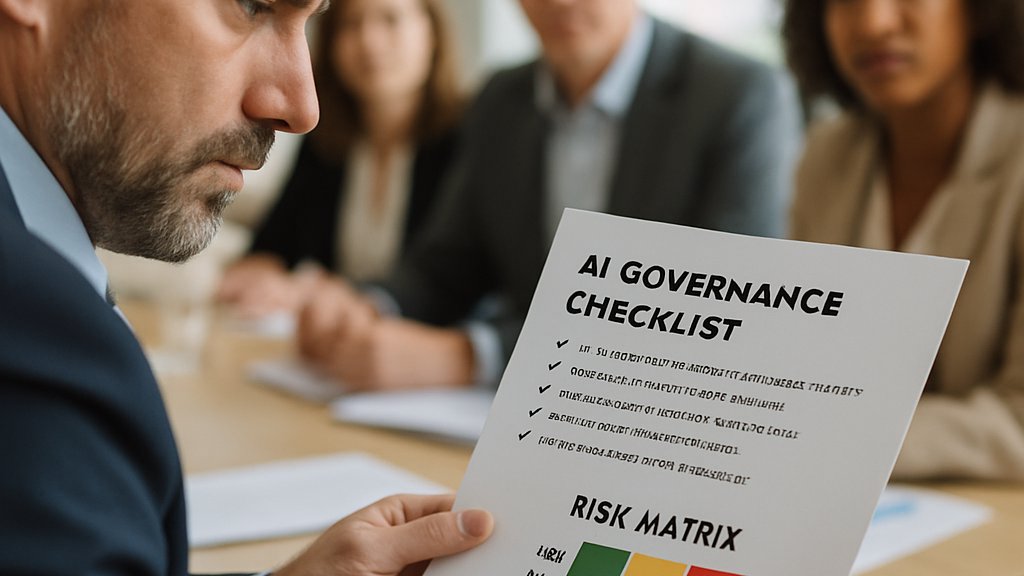
Regulators notice the speed gap. Consequently, NIST released an AI Risk Management Framework emphasizing AI risk controls. The EU pursues cloud and model governance mandates. Meanwhile, CISA pushes identity-first zero trust guidance.
Think tanks such as CNAS warn that frontier models could tilt offense-defense balance. In contrast, they argue that funding defensive R&D will renew equilibrium. RSA Conference sessions echoed this governance drumbeat throughout keynotes. Therefore, boards align security spending with emerging standards to show due diligence.
Governance frameworks anchor strategic AI Cyber Resilience discussion. Next, skills and certifications empower teams to execute those mandates.
Skills, Tools, Certifications Matter
Workforce readiness now ranks beside tooling in budget reviews. Moreover, incident response drills increasingly feature AI-augmented tabletop scenarios. Professionals can enhance their expertise with the AI-Ethical Hacker™ certification. Additionally, vendor bootcamps teach prompt engineering, SOC automation, and AI risk mitigation.
CISO strategy workshops at RSA Conference outlined cross-department playbooks for rapid adoption. Furthermore, platform telemetry dashboards now report governance metrics to executives automatically. Such data helps prove AI Cyber Resilience maturity during audits. Consequently, security leaders request fewer emergency funds because preparation improves.
Skill programs translate lofty frameworks into practice. Therefore, the final section distills an actionable roadmap.
Roadmap For Security Leaders
Leaders first baseline identity hygiene with phishing-resistant MFA adoption metrics. Secondly, exposure management scans must run continuously with attacker aligned scoring. Subsequently, SOC teams integrate AI copilots that recommend containment steps. Incident response playbooks should embed automation yet maintain human oversight for ethical governance.
A four-phase roadmap follows:
- Assess AI risk against business priorities.
- Implement governed model development pipelines.
- Automate detection and response at machine speed.
- Measure AI Cyber Resilience with time-to-mitigate KPIs.
Moreover, leaders should benchmark progress at RSA Conference forums and peer exchanges. In contrast, waiting for perfect regulation ignores current losses. Consequently, iterative delivery outperforms monolithic upgrades. Following this roadmap embeds durable AI Cyber Resilience across people, process, and technology.
Cyber chiefs have traded fear for facts. Reports prove that attacker velocity increased, yet measurable defenses exist. Consequently, exposure management, identity controls, and automated SOC workflows lead modern CISO strategy. Policy makers reinforce momentum through AI risk frameworks and governance standards. Moreover, certifications like the AI-Ethical Hacker™ equip teams for rapid change. These combined efforts elevate AI Cyber Resilience from slogan to measurable outcome. Therefore, start assessing identity posture today and chart your roadmap without delay. Visit our resources page to deep-dive reports and plan your next certification path.
Disclaimer: Some content may be AI-generated or assisted and is provided ‘as is’ for informational purposes only, without warranties of accuracy or completeness, and does not imply endorsement or affiliation.


