

AI CERTs
4 months ago
AI Boosts Phishing Simulation Platforms For Training
Security leaders face a growing tide of AI-crafted social engineering threats. Consequently, many organizations are reevaluating employee defenses. Phishing simulation platforms now harness generative models to match attacker sophistication. These systems shift awareness efforts from compliance drills toward personalized, behavior-driven risk management. However, rapid innovation introduces fresh market dynamics, ethical debates, and implementation hurdles. This article unpacks the technology landscape, vendor momentum, benefits, and cautionary considerations for technical decision-makers. Moreover, it provides a practical roadmap to operationalize AI-driven resilience. Read on to learn how leading enterprises leverage intelligent training while mitigating risk. The journey begins with clear definitions and current capabilities. Subsequently, we examine market forces, outcomes, and next steps for security teams.
Phishing Simulation Platforms Defined
Initially, organizations used template emails to test users sporadically. Phishing simulation platforms now apply large language models to craft adaptive, multi-vector scenarios. Consequently, campaigns mimic email, SMS, voice, QR, and social media lures. The systems also score individual behavior and trigger micro-training moments immediately after risky clicks. Moreover, dashboards integrate identity, access, and incident data to quantify human risk over time. Forrester labels the category Human Risk Management, highlighting its shift toward continuous measurement. These converging capabilities redefine modern security education programs. Therefore, clear definitions set the stage for examining market evolution.
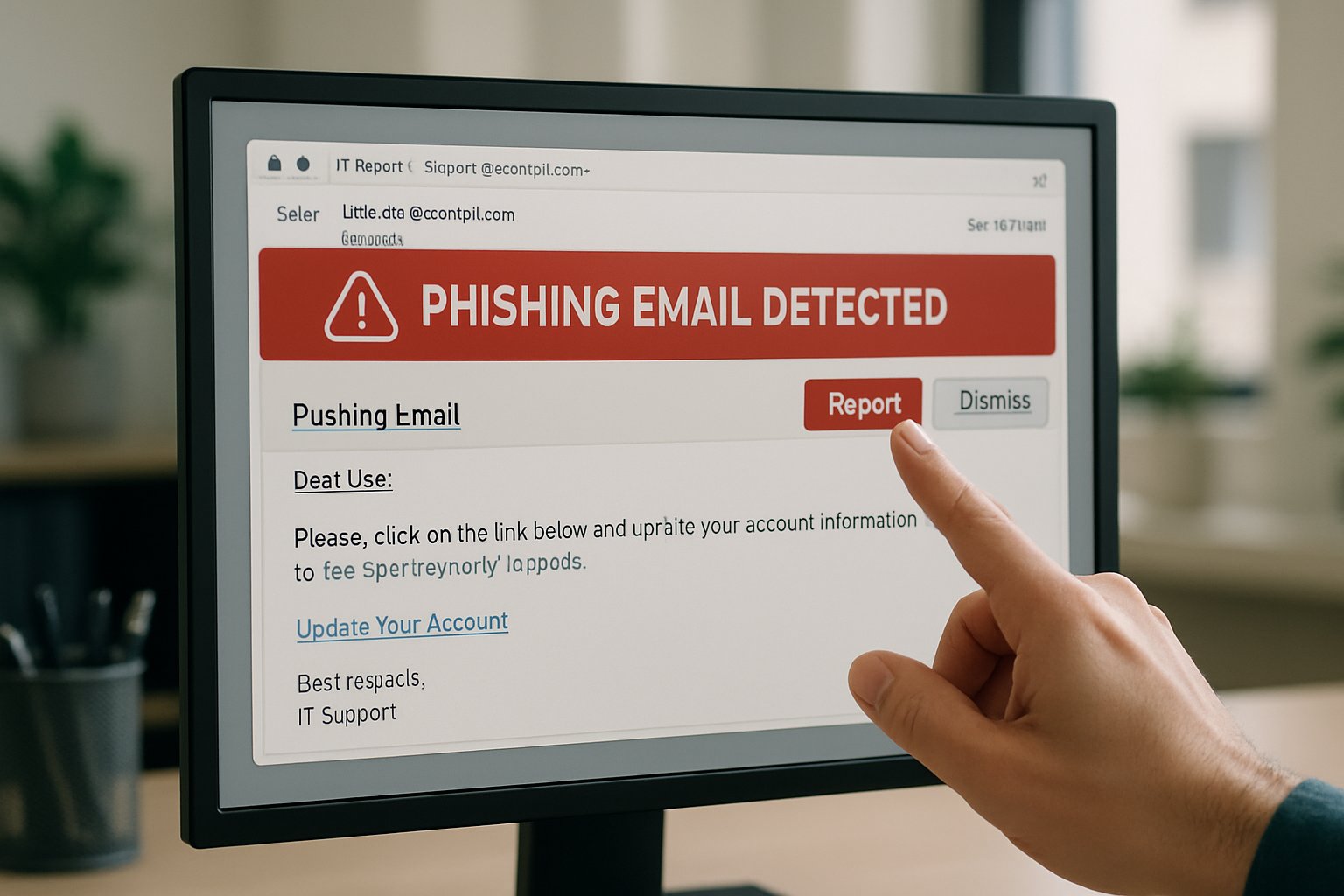
Modern definitions reveal adaptive, data-driven tools. Consequently, we can explore how AI reshapes training approaches.
Generative Shift In Training
Generative AI produces content that feels authentic to every recipient. Meanwhile, reconnaissance agents pull public data to personalize subject lines, tone, and timing. Arsen’s Conversational Phishing capability even maintains multi-turn chats during live tests. Additionally, Living Security’s Unify platform directs simulations toward employees with higher click rates. Such targeting elevates cyber awareness by presenting threats matched to individual weaknesses. However, automation also cuts administrative labor by generating campaigns without human copywriters. KnowBe4’s AIDA agents schedule, send, and iterate based on real-time feedback. Consequently, phishing simulation platforms deliver continuous, adaptive conditioning instead of quarterly blasts. Researchers note median click times of 21 seconds, underscoring the need for speed. In contrast, immediate micro-lessons exploit that narrow teachable moment.
Generative workflows turn static drills into living exercises. Therefore, market momentum is accelerating rapidly.
Market Momentum Accelerates Fast
Investment surged after 2024 when AI tooling matured. IRONSCALES, Hoxhunt, and Proofpoint all launched LLM capabilities within eighteen months. Moreover, Forrester’s first HRM Wave crowned Living Security a leader, validating buyer interest. Strategic Market Research estimates AI cybersecurity spending will hit $19.2 billion this year. Consequently, venture funding follows, fueling rapid product sprints. Phishing simulation platforms became board-level topics during budgeting cycles, according to several CISOs. Meanwhile, insurers increasingly ask for measurable human risk metrics before renewing policies. Analysts expect compound growth through 2030 as regulation tightens reporting requirements. Nevertheless, independent adoption metrics remain fragmented across proprietary surveys. These gaps encourage thoughtful scrutiny of vendor claims.
Market signals point toward sustained adoption. However, benefits and limitations both merit closer review.
Benefits Outweigh Old Limits
AI brings tangible advantages compared with legacy templates. Furthermore, organizations report measurable lifts in resilience metrics.
- LLM messages mirror attacker style, improving transfer to live incidents.
- Automated orchestration frees analysts for higher value tasks.
- Multi-vector tests enhance cyber awareness across email, SMS, voice, and QR.
- Risk scoring directs breach prevention resources toward the most vulnerable users.
Living Security markets a 90 percent reduction in human risk after deploying adaptive training. However, such vendor numbers require independent validation before budgeting decisions. Proofpoint telemetry confirms that integrated detection plus education lowers incident response volume. Consequently, phishing simulation platforms can reduce alert fatigue downstream. Better metrics also support insurance negotiations by demonstrating proactive breach prevention. Therefore, many boards approve expanded programs despite tight cost controls.
Benefits span efficiency, realism, and risk reduction. Nevertheless, ethical and operational challenges demand equal attention.
Risk And Ethical Hurdles
Hyper-personalized lures raise privacy and consent concerns among employees. Moreover, deepfake voice simulations can trigger psychological stress if poorly disclosed. Unions have questioned whether cyber awareness programs overreach by mining social media data. Furthermore, the same AI engines power FraudGPT style offensive tools. Researchers at Black Hat demonstrated Copilot misuse for automated spear-phishing campaigns. Consequently, defenders face an escalating arms race, not a static threat. Detection engines must evolve beyond signatures, increasing tooling costs. Additionally, organizations risk culture damage when simulations appear punitive. Transparent policy, opt-in testing, and supportive micro-learning help maintain breach prevention goals without eroding trust. Therefore, phishing simulation platforms require governance frameworks for responsible rollout.
Risks span privacy, culture, and dual-use threats. In contrast, strong governance mitigates many pitfalls for deployment.
Operational Playbook For Teams
Security leaders can follow a pragmatic sequence to implement safely. Initially, pilot with a small, diverse user cohort. Meanwhile, collect baseline click, report, and time-to-report metrics. Subsequently, scale scenarios gradually as confidence grows. Integrate SIEM, identity, and HR data to contextualize risk scores. Consequently, interventions target users who drive disproportionate exposure. Policies should outline scope, consent, data retention, and escalation paths. Professionals can upskill via the AI Engineer certification for robust oversight. Numbered priorities keep planning simple:
- Define goals and success metrics.
- Secure legal and HR approvals.
- Deploy adaptive simulations monthly.
- Review data and iterate monthly.
- Align defensive controls for breach prevention.
Moreover, regular retrospectives sustain stakeholder engagement. Therefore, disciplined execution transforms technology promises into durable results. In contrast, phishing simulation platforms should never replace layered technical defenses. Regular surveys gauge employee cyber awareness improvements and adjust content accordingly.
A structured playbook accelerates value realization. Consequently, focus now shifts toward future market trajectories.
Future Outlook And Actions
Analysts agree that attacker innovation will keep accelerating. Meanwhile, regulators may mandate measurable human risk controls within annual reports. Consequently, phishing simulation platforms must integrate deeper behavior analytics and real-time coaching. Furthermore, embedded copilot assistants will deliver micro-training inside productivity suites. Integration will blur lines between awareness and workflow support. Nevertheless, cultural trust will remain the decisive adoption factor according to practitioners. Boards will demand proof that programs advance breach prevention objectives, not checkbox compliance. Leading vendors already invest in explainable AI to satisfy auditors. Additionally, academic partnerships may produce randomized field studies validating efficacy. Therefore, security leaders should pilot innovations early while retaining flexibility to pivot. Consequently, vendors will embed phishing simulation platforms into broader zero-trust suites.
Future trends emphasize deeper analytics and integrated defenses. Meanwhile, leaders must balance innovation with employee trust.
Future Outlook And Actions
AI has permanently altered the security training landscape. Phishing simulation platforms now deliver tailored, data-driven conditioning at enterprise scale. Moreover, market momentum suggests continued feature integration and tighter analytics. Nevertheless, success hinges on transparent policy, empathetic design, and layered defenses. Leaders should pilot quickly, measure rigorously, and iterate based on evidence. Consequently, organizations can boost cyber awareness and strengthen resilience simultaneously. Additionally, upskilling teams through the AI Engineer certification ensures informed oversight. Act now to stay ahead of attacker innovation.
Disclaimer: Some content may be AI-generated or assisted and is provided ‘as is’ for informational purposes only, without warranties of accuracy or completeness, and does not imply endorsement or affiliation.


