

AI CERTS
3 hours ago
Deepfake Doctors Fuel Health Misinformation and Patient Risk
Consequently, thousands of consumers faced persuasive but baseless medical claims. This report explores how Deepfake technology, affiliate marketing, and lax oversight combine to endanger public trust. Additionally, it outlines the financial incentives, policy gaps, and technical countermeasures shaping the next phase. Industry leaders can leverage these insights to protect patients, brands, and regulatory compliance. The stakes are high; accurate information remains the clearest remedy against digital deception. Nevertheless, regulatory momentum and smarter detection tools offer grounds for cautious optimism. Therefore, understanding the mechanisms behind the hoaxes is essential for every health stakeholder.
Deepfake Trend Rapidly Accelerates
Generative models once confined to research labs now run in mobile apps with push-button simplicity. Consequently, creating a persuasive Deepfake requires no specialised hardware or coding expertise. Affiliate marketers exploit this accessibility to mass-produce doctor endorsements for dubious Supplements. In contrast, authentic medical outreach demands peer review and regulatory approvals.
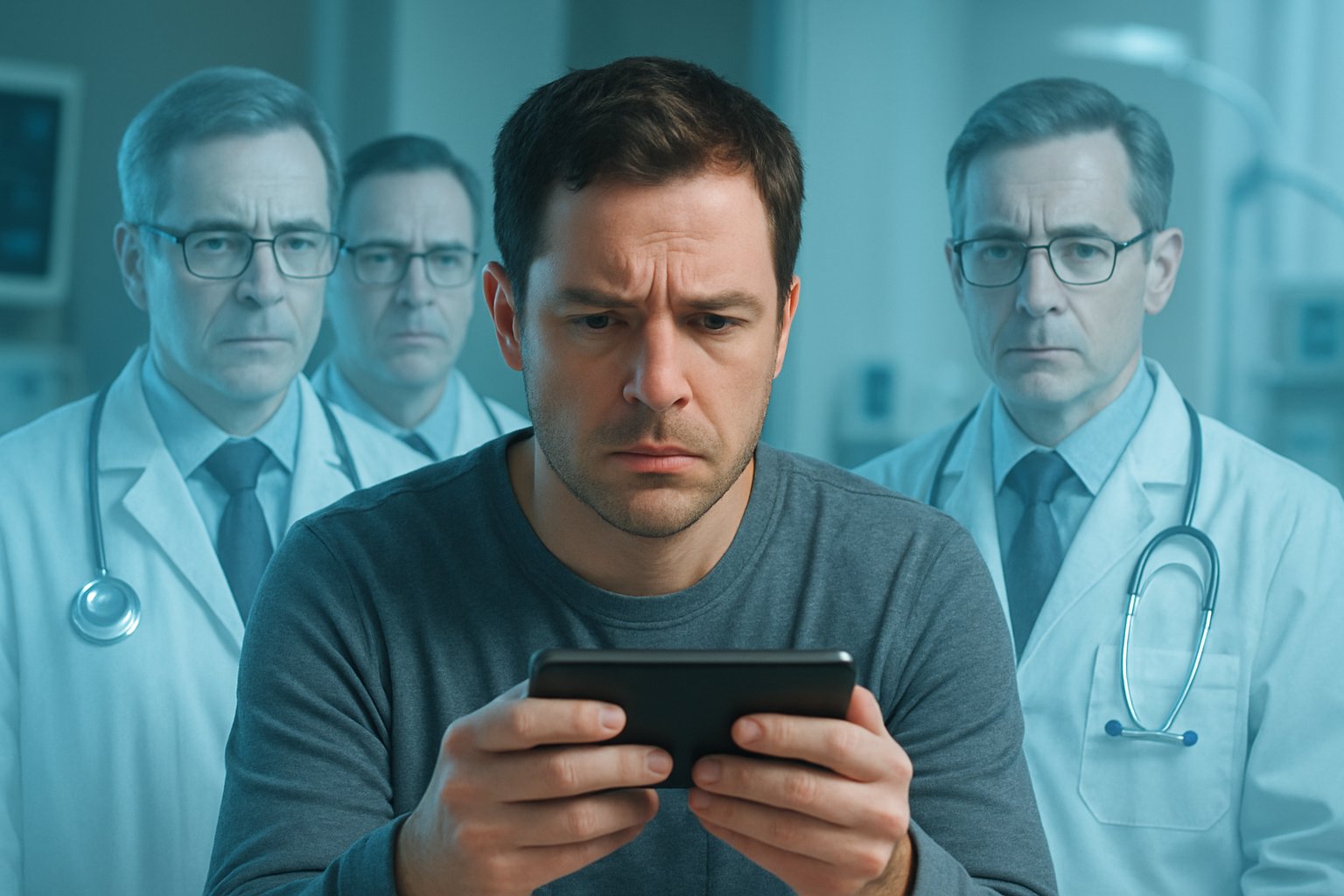
Full Fact’s December investigation traced hundreds of near-identical videos to Wellness Nest sales funnels. Furthermore, CBS linked more than 100 similar clips across five Social Media platforms. Investigators observed recycled scripts, stock waiting-room backdrops, and voice cloning glitches. These artefacts exposed systematic Impersonation rather than isolated fan edits.
Overall, scale and coordination show the problem is not a novelty prank. However, concrete numbers clarify the threat’s magnitude.
Scale By Recent Numbers
Verified investigations provide the clearest snapshot of current reach.
- Full Fact: one synthetic clip gained 365,000 views and 7,700 likes before removal.
- CBS sample: over 100 clips impersonated doctors and accrued millions of impressions.
- ESET researchers identified 20 TikTok accounts recycling identical synthetic physician footage.
- Physicians Foundation survey: 86% of doctors reported rising patient exposure to false claims.
These statistics depict an ecosystem already past pilot scale. Consequently, medical reputation risks now match classic financial cybersecurity concerns.
Medical Community Raises Alarms
Physicians surveyed by the Physicians Foundation say Health Misinformation now routinely enters exam rooms. Moreover, 61% reported patients influenced by online claims during the previous year. Dr. Joel Bervell described seeing a synthetic video promoting unregulated Supplements to vulnerable viewers. He felt scared, not just embarrassed, because people might stop proven treatments. Such Health Misinformation erodes the clinician-patient relationship.
Prof. David Taylor-Robinson echoed the concern, calling the Impersonation "sinister" and "irritating". Additionally, Dr. Sean Mackey warned that abandoning evidence-based care constitutes real patient harm. Consequently, professional bodies demand faster takedowns and stronger provenance standards. Nevertheless, scammers keep moving to fresh accounts once bans land.
Clinicians see direct fallout in clinics and on public trust. Therefore, addressing the supply chain behind each hoax becomes critical for patient safety.
Platforms Face Enforcement Gaps
Platform spokespeople insist policies forbid medical Deepfake content and aggressive promotional Fraud. However, Full Fact documented weeks-long delays before viral clips vanished. Meta and YouTube claim improved AI detection, yet removal remains largely complaint-driven. Meanwhile, scammers exploit algorithmic boosts to target health-seeking communities on Social Media.
TikTok’s transparency report states 95% of flagged health videos were removed in Q1 2025. In contrast, only 62% were removed proactively without user reports. Consequently, reactive enforcement allows Impersonation networks to gather more views and sales. That lag sustains Health Misinformation exposure during critical decision windows.
Policy wording alone cannot solve enforcement scale challenges. Moreover, clear economic drivers explain why these networks persist.
Why Fraud Persists Online
Low production costs and high affiliate commissions create an irresistible profit equation. Furthermore, the fake doctors convey trust faster than banner ads. Wellness Nest affiliates earned payouts for every bottle of Supplements bought through unique codes. Consequently, Fraud networks treat doctor likenesses as reusable advertising assets.
Researchers also note psychological factors. In contrast, many users lack the expertise necessary to identify subtle lip-sync anomalies. Subsequently, repeated exposure normalises bogus advice, amplifying Health Misinformation across Social Media feeds. That reinforcement loops until takedowns occur, by which time sales have spiked.
Financial gain and cognitive bias jointly sustain the hoax ecosystem. However, new detection standards could disrupt those margins.
Policy And Detection Roadmap
Lawmakers worldwide draft bills targeting synthetic Impersonation and deceptive advertising. Moreover, proposals mandate provenance watermarks for every AI-generated frame. The FTC also weighs penalties for repeat health-related Fraud. Meanwhile, standards bodies explore cryptographic signatures to enable automated tracing.
Technical research teams pursue hybrid detection, combining pixel forensics and audio consistency checks. Consequently, early trials flag 89% of synthetic video samples in laboratory settings. However, adversarial improvements often narrow that margin in the wild. Therefore, multilayered governance must complement algorithmic defence to curb Health Misinformation.
Policy momentum and detection tools offer complementary levers. Furthermore, professionals should prepare to integrate best practices rapidly.
How Professionals Can Respond
Healthcare executives should audit marketing affiliates for undisclosed doctor likeness use. Additionally, internal teams can train staff to recognise tell-tale artefacts and report suspicious clips. Professionals can enhance their expertise with the AI Marketing Strategist™ certification. Such education arms organisations against emerging Health Misinformation vectors.
Organisations should publish clear public statements rejecting any synthetic Impersonation of their clinicians. Moreover, rapid response protocols can limit Fraud exposure and reassure anxious patients. Social Media listening tools can detect trending keywords linked to bogus Supplements before campaigns explode. Subsequently, verified updates can flood feeds, countering false claims with trusted sources.
Proactive monitoring, staff training, and certifications strengthen organisational resilience. Consequently, multi-layered defence reduces the reach of deceptive narratives.
Deepfake doctor endorsements underline a systemic Health Misinformation crisis that jeopardises clinical outcomes. Moreover, evidence shows scammers exploit Supplements hype, Social Media reach, and regulatory lag. Consequently, coordinated policy, detection technology, and professional vigilance remain the best antidote to Health Misinformation. Healthcare leaders who strengthen provenance controls, escalate takedown demands, and educate patients can blunt future Health Misinformation waves. Therefore, act now by reviewing affiliate contracts and upskilling teams through recognised AI qualifications. Visit the certification link above to gain practical skills for safeguarding digital trust.


