

AI CERTS
3 hours ago
Fika’s AI Hiring Agents Reshape First-Round Interviews
Early access opened in June 2026, with a broader launch planned for autumn. More than 100 employers already wait in line, and 50 have tested the product. Meanwhile, a skeptical labor market debates whether algorithmic greetings help or hurt candidate screening. This article unpacks Fika’s model, market context, benefits, and risks, providing HR tech leaders with practical next steps.
Funding Validates AI Ambition
Fika’s pre-seed round closed on 23 June 2026. Luminar Ventures led the $4 million raise, while Alliance VC and the King co-founders joined. Consequently, the infusion offers financial runway for model refinement, bias audits, and commercial pilots. The seed funding signals investor confidence despite early stage risk.
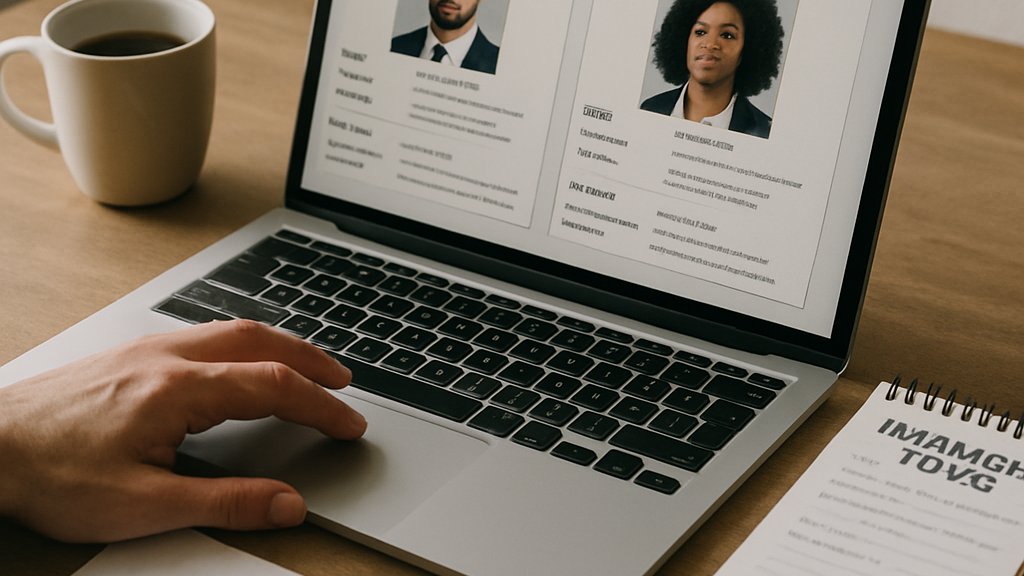
Investors cite three drivers. Firstly, AI Hiring Agents promise scalable candidate screening without proportional recruiter headcount. Secondly, video profiles reveal soft skills absent from text resumes. Finally, the revenue model— a 10% salary fee only after placement— lowers adoption friction for lean HR tech budgets.
These financial signals legitimize Fika’s vision. However, money alone cannot guarantee user trust. The following section explains how the underlying automation operates.
How Interview Agents Work
Fika’s AI Hiring Agents draw questions from a candidate’s LinkedIn data and the job description. During a ten-minute asynchronous session, AI Hiring Agents speak in a synthetic yet friendly voice. Responses stream to Google’s Gemini model for transcription, summarization, and initial scoring. Subsequently, short clips are stitched into a searchable video profile that employers can browse before deciding on contact. Fika claims recruiters spend four minutes per profile, versus twenty on legacy phone screens.
- Interview length: ~10 minutes, fully automated
- Waitlist: 100+ employers; 50 pilot customers
- Pricing: 10% of first-year salary, no upfront fees
- Models: Google Gemini powers dialog and scoring
These mechanics illustrate why investors group Fika alongside emerging recruitment AI disruptors. Nevertheless, functionality alone does not secure market share. Competitive forces loom.
Market Context And Competition
The recruitment AI market swells with fresh entrants. Startups Alex, Maki, and Mercor also deploy AI Hiring Agents for early chats. Meanwhile, established platforms like HireVue and Eightfold AI defend territory with deeper enterprise ties. Workday’s screening suite, however, faces discrimination litigation, highlighting brand risk. Consequently, buyers weigh novelty against compliance maturity. Video-first positioning gives Fika a niche, yet differentiation must persist beyond presentation. Many competitors have also pulled in notable seed funding this year.
Competitive landscapes shift quickly. Therefore, understanding operational upside also matters. The next section outlines key benefits for lean HR teams.
Benefits For Lean Teams
Startups and SMEs often lack full-time recruiters. AI Hiring Agents operate around the clock, delivering consistent candidate screening even when human staff sleep. Moreover, asynchronous video removes timezone friction, helping distributed engineering teams evaluate talent faster. Fika reports that pilot customers cut time-to-first-interview from five days to 24 hours.
- 24/7 capacity with minimal overhead
- Standardized question sets reduce interviewer variance
- Clips allow quick team sharing and discussion
Consequently, hiring managers reclaim hours for strategic conversations, not calendar wrangling. Productivity gains attract budget owners. Nevertheless, they mean little if candidate trust collapses, which the upcoming section examines.
Candidate Experience Concerns Rise
Greenhouse surveyed 2,600 U.S. jobseekers in May 2026. Roughly 63% had completed an AI interview. However, 38% quit an application when required to speak with algorithms. Additionally, 51% reported ghosting or indefinite silence afterward. Such statistics warn HR tech leaders that AI Hiring Agents can erode brand perception when misused. Sharawn Tipton, Greenhouse’s CPO, advises optional human review and opt-out paths.
Trust remains fragile for recruitment AI deployments. Consequently, bias and legal scrutiny intensify, as the following section details.
Bias And Legal Risk
Video data introduces sensitive visual and vocal signals. In contrast, text-only resumes hide many protected attributes. Mobley v. Workday now proceeds in California federal court, challenging alleged algorithmic discrimination. ACLU complaints against HireVue and Intuit reached similar headlines. Therefore, Fika pledges ongoing bias audits but has not yet shared results publicly. Experts like Nichol Bradford warn that AI Hiring Agents must prove fairness through transparent data and rigorous testing.
Litigation risk cannot be ignored. Nevertheless, several safeguards can mitigate exposure, as the recommendations section explains.
Recommendations For HR Leaders
Recruiters exploring AI Hiring Agents should pilot with one role before enterprise rollout. Additionally, request the vendor’s model documentation, bias test results, and data-retention policy. Provide clear opt-out alternatives that route applicants to human interviewers. Moreover, collect feedback after every automated conversation and feed the data into continuous improvement loops. Teams can also upskill on responsible recruitment AI through accredited coursework. Professionals can enhance their expertise with the AI in Human Resources™ certification.
Following these steps strengthens compliance and candidate care. Subsequently, organizations can capture automation gains without sacrificing equity.
In summary, Fika’s video-first approach showcases the promise and pitfalls of AI Hiring Agents. The technology accelerates candidate screening, frees scarce recruiter time, and reduces hiring costs. However, surveys reveal lingering skepticism, and regulators sharpen their focus on algorithmic bias. Consequently, buyers must demand transparency, pilot responsibly, and offer human alternatives. Moreover, teams should invest in continuous learning to navigate evolving compliance standards. For those seeking structured knowledge, consider the AI in Human Resources™ certification. Equip your organization to leverage automation while protecting equity—then let data drive smarter, fairer talent decisions.
Disclaimer: Some content may be AI-generated or assisted and is provided ‘as is’ for informational purposes only, without warranties of accuracy or completeness, and does not imply endorsement or affiliation.


