

AI CERTS
2 hours ago
Retail Automation Trust: Can Shops Survive the Bot Onslaught?
Moreover, security firm Imperva reported retail sites faced 59% automated traffic in 2024, with 37% labeled “bad.” These shifts expose strategic, technical, and ethical crosscurrents that will define the next decade of retail AI. This article unpacks fresh data, policy moves, and emerging trust signals, guiding leaders through an unsettled landscape.
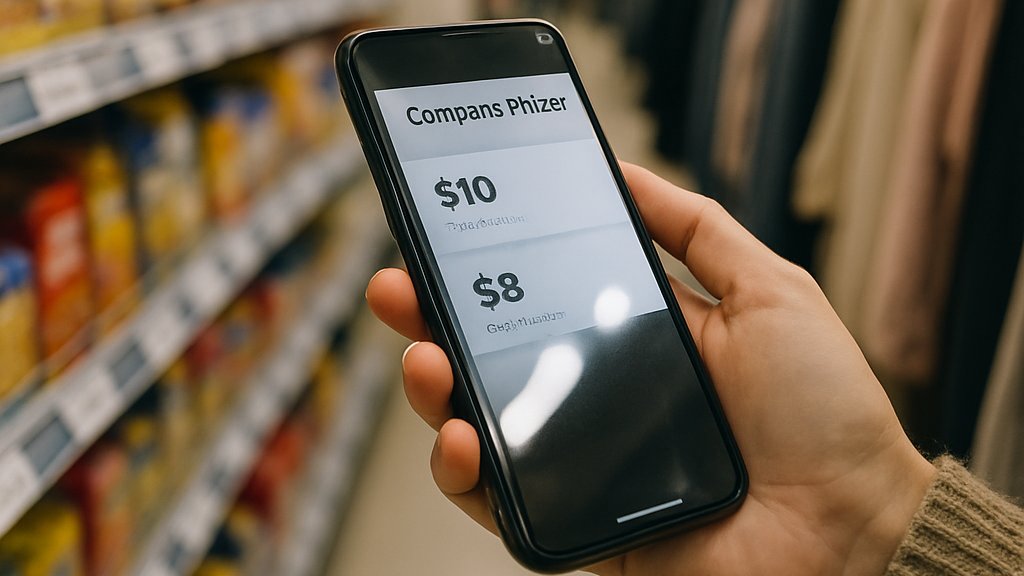
In contrast, agent vendors promise faster discovery, personalized deals, and frictionless payments powered by large language models. Nevertheless, 41% of U.S. shoppers reported “no trust” in AI assistants, signaling deep skepticism. Therefore, decision-makers must weigh opportunity against risk before deploying or blocking new checkout agents.
Bots Disrupt Retail Trust
Retail sites are now battlegrounds where human intent collides with algorithmic scale. Moreover, Imperva found automated requests exceeded 51% of global web traffic in 2024. In contrast, the retail vertical recorded a staggering 59% share, the highest among measured industries.
These buying bots execute product searches, price comparisons, and sometimes complete purchases within seconds. Consequently, inventory can vanish before genuine shoppers even tap “add to cart.” Tim Chang of Imperva warned, “Organizations face heightened risks from bad bots as automated traffic dominates.”
Retail Automation Trust erodes when loyal users lose coveted items to unseen scripts. Therefore, merchants scramble to distinguish benevolent research crawlers from malicious checkout agents now fueled by advanced language models. Effective classification underpins future trust signals.
High bot volume distorts supply and undermines fairness. However, policy shifts attempt to restore balance as platforms tighten rules.
Platforms Tighten Bot Policies
eBay, Amazon, and Shopify now police autonomous commerce with updated terms and access files. For example, eBay’s February 2026 agreement explicitly bans “LLM-driven bots” that submit orders without human review. Meanwhile, Amazon’s robots.txt blocks multiple crawler user agents linked to large model vendors.
Furthermore, Shopify issued merchant guidance outlining rate limits and threat alerts for suspicious buying bots. Eric Seufert argues these moves protect first-party data and advertising revenue. Nevertheless, critics claim walled gardens stifle innovation in retail AI and limit consumer choice.
Retail Automation Trust depends on transparent guardrails rather than blanket prohibition. Consequently, some platforms test official checkout agents delivered through authenticated APIs. Partners receive performance dashboards and shared trust signals, reducing fear of shadow scraping.
Policy changes signal a defensive stance yet open selective collaboration channels. Subsequently, consumer sentiment offers another lens for evaluating effectiveness.
Consumer Sentiment Data Insights
Numbers reveal a confidence gap between shoppers and automated advisers. Quad and The Harris Poll found 75% of adults would distrust AI shopping if recommendations were sponsored. Additionally, 41% already report “no trust” in assistants, according to Retail Dive surveys.
Such skepticism shapes customer behavior across channels. Shoppers scrutinize disclosure labels, demand opt-in control, and expect refunds when agent errors occur. Moreover, Imperva notes that abandoned carts spike after sudden inventory swings caused by aggressive buying bots.
Brands that communicate clear trust signals—security badges, transparent sponsorship tags, and human escalation paths—score higher satisfaction scores. Retail Automation Trust therefore becomes a measurable metric, not a vague aspiration. Organizations can benchmark progress using net promoter scores segmented by agent usage.
Data confirm perception problems that technical fixes alone cannot resolve. However, security gaps still magnify those fears, as the next section explains.
Security Gaps And Risks
Behind the trust debate lurks a relentless technical arms race. Imperva reported that 44% of sophisticated bot traffic targeted APIs in 2024. Consequently, credential stuffing, loyalty fraud, and automated reselling surged across leading marketplaces.
Bad actors weaponize retail AI toolchains, masking traffic through residential proxies and rapid user-agent rotation. Meanwhile, lightly defended endpoints allow malicious checkout agents to empty stock minutes after product launches. F5 Labs observed similar patterns during sneaker drops and game console restocks.
Retail Automation Trust cannot survive without layered defenses. Therefore, security teams deploy bot management, device fingerprinting, and behavioral analytics tuned to customer behavior baselines. Nevertheless, many mid-sized merchants still rely on rudimentary CAPTCHA gates that advanced buying bots easily bypass.
Technical exposure amplifies perception issues, reinforcing shopper skepticism. Subsequently, strategic responses diverge among retailers charting their next moves.
Strategic Industry Response Plans
Retailers now choose between defensive isolation and cooperative innovation. Amazon develops in-house voice agents while blocking external crawlers. Conversely, some European grocers pilot open protocols that grant vetted checkout agents limited API scopes.
NRF sessions highlighted four strategic playbooks:
- Walled Garden: Block third-party buying bots, launch proprietary concierge agents.
- Partner Portal: Offer documented APIs, monetize referrals, and share trust signals.
- Federated Standards: Join consortiums defining consent layers for agentic commerce.
- Licensing Enforcement: Pursue legal remedies against unauthorized scrapers.
Retail Automation Trust benefits when stakeholders align incentives across these models. Moreover, professionals can enhance their expertise with the AI Customer Service™ certification, gaining frameworks for ethical agent deployment.
Executives weigh cost, control, and customer behavior impacts before selecting a path. However, future-ready trust signals will likely blend technical assurance with explicit policy commitments.
Diverse strategies illustrate there is no single roadmap. Therefore, attention now shifts toward building durable trust mechanisms.
Building Future Trust Signals
Trust architecture demands both technical rigor and transparent governance. Consequently, leading merchants publish real-time dashboards that display bot pressure, mitigation status, and order accuracy rates. These metrics act as public trust signals, reassuring shoppers and regulators alike.
Additionally, several startups develop agent identity wallets that embed cryptographic proofs into each request. Therefore, servers can separate approved checkout agents from hostile scrapers without manual rule updates. Retail Automation Trust improves when mutual authentication eliminates guesswork.
Meanwhile, consumer education campaigns explain how retail AI works and what data agents access. Retailers host webinars, FAQ hubs, and store signage outlining opt-out choices. Retail Automation Trust thus evolves into an interactive promise rather than a hidden system.
Transparent metrics and mutual authentication translate policy into daily experience. Consequently, the stage is set for a calibrated future of agentic shopping.
Conclusion
Agentic commerce will accelerate regardless of individual platform policies. However, success hinges on balancing innovation, security, and transparency. Retail Automation Trust will define who captures loyalty in the next buying cycle. Consequently, leaders must deploy layered defenses, publish clear trust signals, and engage openly with evolving customer behavior.
Retail Automation Trust also requires talent skilled in ethical AI operations. Therefore, consider advancing your credentials through industry programs, including the AI Customer Service™ certification. Act now to position your organization—and career—for a future where humans and agents shop side by side.
Disclaimer: Some content may be AI-generated or assisted and is provided ‘as is’ for informational purposes only, without warranties of accuracy or completeness, and does not imply endorsement or affiliation.


