

AI CERTS
4 hours ago
Copper Bottlenecks Threaten AI Compute Supply Growth
Meanwhile, miners struggle to raise output fast enough because new projects take decades. This article examines the numbers, market responses, and practical mitigation steps. Additionally, it outlines why proactive strategy around AI Compute Supply now shapes competitive advantage. In contrast, firms that ignore copper exposure could see project delays and spiraling capital costs. Therefore, understanding the copper bottleneck is no longer optional for technology leaders.
Copper Stress Signals Emerge
Global copper demand already stands near 28 million tonnes and grows relentlessly. Moreover, S&P projects a 50 percent jump by 2040, driven partly by AI training clusters. Data from the January report shows data centers needing 1.1 million tonnes this year. Consequently, copper intensity for AI racks now rivals that of offshore wind turbines. Daniel Yergin warns that electrification speed exceeds historical mining growth rates.
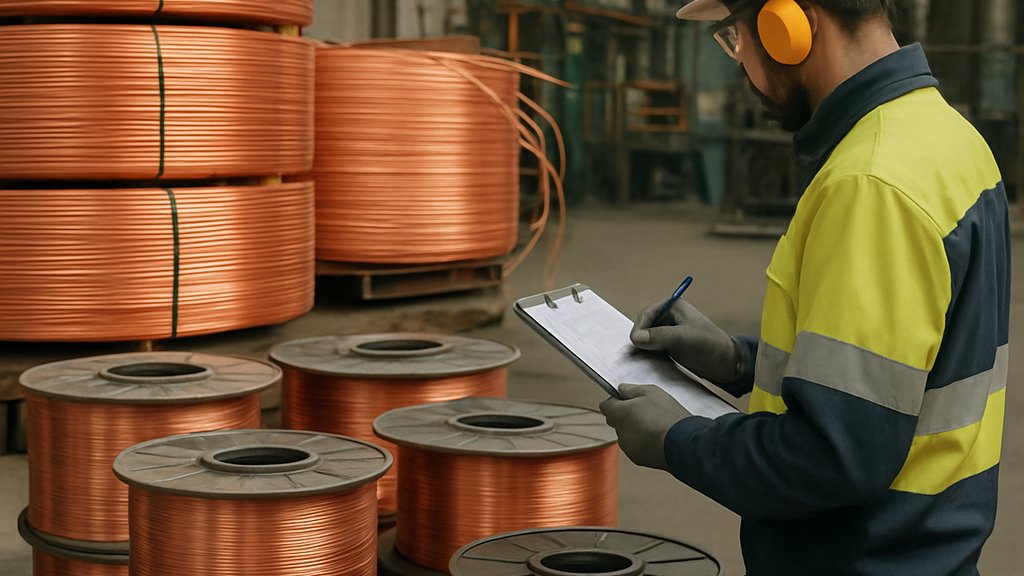
Meanwhile, mine disruptions have erased planned tonnage. Freeport’s Grasberg mudslide sliced output during 2025, tightening spot markets. IEA analysts therefore forecast a 30 percent supply gap by 2035 without new capacity. In contrast, AI Compute Supply timelines compress to months, not decades. The mismatch highlights emerging systemic risk for hyperscalers and investors alike.
These indicators confirm that copper stress is real and growing. However, understanding future trajectories requires deeper market forecasts.
Exploding AI Metal Needs
AI workloads are exceptionally copper-hungry because of dense power systems and advanced cooling. S&P calculates 39 tonnes per megawatt for a global hyperscale AI site. Furthermore, Chinese training farms can exceed 47 tonnes per megawatt. That figure dwarfs crypto mining, which averages 21 tonnes per megawatt. Consequently, each gigawatt campus would absorb almost 40,000 tonnes of metal.
BloombergNEF estimates annual incremental copper demand of 400,000 tonnes through the next decade. Peak year 2028 could approach 572,000 tonnes, according to their scenarios. Meanwhile, AI Compute Supply remains capacity constrained, pushing hyperscalers toward vertical procurement. Therefore, physical availability now influences site selection as strongly as land or talent.
Explosive intensity figures clarify why data centers dominate short-term consumption growth. Next, we examine how these expectations translate into market deficits.
Market Deficit Forecasts Mount
Wood Mackenzie projects a refined shortfall of 304,000 tonnes for 2025. Moreover, BNEF models show sustained deficits through 2030, amplified by electrification and AI spending. Consequently, prices hit USD 14,500 per tonne in January, smashing prior records. Prices remain volatile because inventories sit near historical lows. Spiking quotations feed directly into AI Compute Supply budgets, raising total cost of ownership.
In contrast, new mine approvals average 15 years, leaving little relief before 2030. IEA therefore urges policymakers to streamline permitting and expand recycling. However, recycling currently covers only 17 percent of refined volumes. That share cannot meet looming copper demand from data centers and vehicles simultaneously. This infrastructure buildout intensifies competition with vehicle and grid segments.
Forecasts agree on persistent market tightness and elevated volatility. The response of major buyers illustrates how strategic the metal has become.
Hyperscalers Secure Copper Supply
AWS responded first by signing a Nuton offtake for low-carbon copper from Rio Tinto. Subsequently, Microsoft and Google opened negotiations with BHP and Codelco, insiders report. These moves extend beyond traditional supply chain contracts, resembling energy power-purchase agreements. Furthermore, several buyers now request certification for carbon intensity and traceability. Consequently, each procurement deal underwrites massive infrastructure buildout across multiple regions.
Industry sources confirm that AI Compute Supply clauses now appear in construction tenders and vendor scorecards. Consequently, miners with verified low-carbon processes enjoy pricing premiums. Meanwhile, smelters face pressure to expand capacity despite environmental constraints.
Hyperscaler actions spotlight copper as a gating factor for cloud expansion. Next, we explore mitigation pathways that could moderate the squeeze.
Mitigation Paths Explored Now
Stakeholders pursue three broad levers: substitution, recycling, and new extraction technology. Moreover, aluminum busbars can replace copper in some power systems, cutting intensity modestly. Liquid cooling and fiber networking also shave grams per server. Nevertheless, these tweaks save less than five percent at facility level.
- IEA sees 30 percent supply gap by 2035 without new capacity.
- S&P forecasts 2.5 million tonnes data-center copper in 2040.
- BNEF expects 400 kt annual incremental demand through next decade.
- Wood Mackenzie tracks 304 kt refined deficit already in 2025.
Additionally, bioleaching methods like Nuton promise lower emissions and expanded mineral recovery. Consequently, recycling investments and new smelters represent the fastest impact options. These mitigation strategies provide partial relief yet cannot fully bridge projected shortfalls. Therefore, technology teams must pair them with smarter AI Compute Supply architectural choices.
Technology Levers Available Today
Architects can reduce copper use by tightening power distribution layouts. For example, 380-volt direct-current busways shorten cable runs in edge power systems. Furthermore, higher server inlet temperatures cut chiller loads, trimming copper-heavy heat exchangers. In contrast, AI Compute Supply still depends on thick conductors for megawatt scale feeds.
Consequently, design optimization alone can achieve perhaps 10 percent savings. Therefore, strategic procurement remains essential despite engineering gains. Technical levers buy time but do not resolve ore scarcity. Leadership attention must shift toward coordinated policy and investment.
Strategic Actions Required Today
Policymakers, miners, and hyperscalers need a synchronized roadmap. Moreover, expedited mine permitting can shorten lead times by several years. Governments may classify copper as critical, unlocking tax credits and fast-track reviews. Meanwhile, transparent reporting will improve supply chain resilience and investor confidence.
Industry executives can also upskill teams on sustainable sourcing frameworks. Experts can deepen knowledge through the AI Sustainability Specialist™ certification. Additionally, corporate dashboards should track copper intensity alongside carbon metrics. Consequently, boards will gain real-time visibility into AI Compute Supply exposure and risk.
These coordinated actions create a resilient pathway for continued digital growth. Finally, we assess the broader outlook for leaders navigating this transition.
Copper now defines the practical ceiling for generative AI expansion. Supply gaps, record prices, rising copper demand, and intense infrastructure buildout converge to challenge budgets. However, strategic offtakes, recycling investments, and design optimization can soften the blow. Nevertheless, none eliminate the 15-year lag between exploration and refined output. Therefore, executives must integrate AI Compute Supply planning into every capital allocation model.
Moreover, cross-industry coalitions should lobby for faster permits and transparent supply chain data. Data centers that adopt such discipline will protect schedules and brand reputation. Consequently, readers should evaluate their copper exposure today and pursue specialized training. Further optimization of power systems can still ease material intensity. Take decisive action, leverage new certifications, and secure your future competitiveness.
Disclaimer: Some content may be AI-generated or assisted and is provided ‘as is’ for informational purposes only, without warranties of accuracy or completeness, and does not imply endorsement or affiliation.


