

AI CERTS
3 hours ago
Google Profiles Aim To Restore Search Traffic Visibility
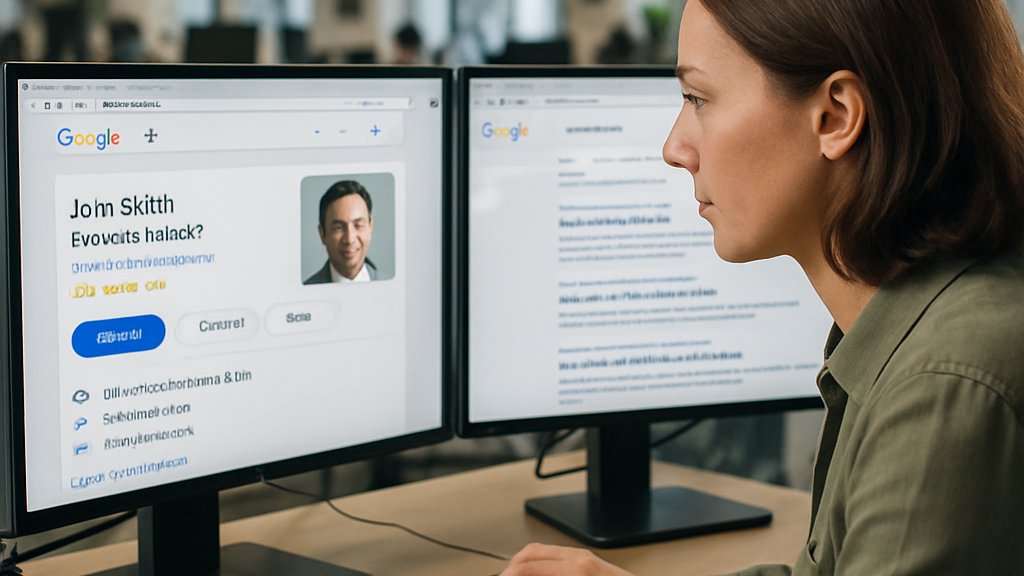
Google responded on four June 2026 with ‘Search profiles,’ a shareable hub for creators and news sites. The move aims to repair creator profiles visibility across Knowledge Panels, Google Discover, and direct links. However, eligibility requires at least 100,000 followers on major social platforms during the initial phase. Industry voices question whether the solution offsets losses driven by expansive AI summaries. Therefore, leaders must reassess distribution strategies before referral erosion deepens. Improving Search Traffic Visibility therefore frames the entire debate around profiles and regulation.
AI Answers Reduce Clicks
Generative answers compress result pages. Moreover, users receive concise summaries without leaving Google, limiting exploration of original journalism. Paid listings also suffered, with Seer reporting similar proportional declines across search budgets. In contrast, follow actions on Google Discover rose slightly, indicating changing engagement incentives. Search Traffic Visibility therefore now depends on citation inside AI answers, not traditional blue links. In-house analytics echo the trend across ecommerce, travel, and finance segments.
- 61% organic CTR drop on AI Overview queries, Seer Interactive, 2025.
- 33% year-over-year publisher traffic decline across 2,500 sites, Chartbeat, 2025.
- 40–60% losses for niche news verticals, according to industry SEO audits.
- Paid search CTR fell, compressing Search Traffic Visibility for many teams.
CTR erosion confirms a long-term structural change. Nevertheless, Google’s new profile product attempts to counteract that trend; the next section explains how.
Google Launches Search Profiles
The profile initiative gives each eligible creator a branded, Google-hosted landing page. Additionally, the page shows avatar, bio, website, and pinned content curated by the owner. Users can tap Follow to receive updates inside Google Discover feeds and some notifications. Consequently, direct relationships may offset declining publisher traffic from standard queries. Google claims Search profiles will enhance Search Traffic Visibility by surfacing trusted voices across surfaces. The setup process mirrors familiar SEO verification steps in Search Console. Engineers note that follow counts influence internal ranking features across multiple surfaces.
Early access remains exclusive to accounts exceeding 100,000 followers or larger publishers. However, broader rollout could democratize creator profiles later in 2026, as Google indicates.
Regulatory Pressure Now Intensifies
One day before the product launch, the UK CMA issued a binding conduct requirement on Google. Moreover, the order mandates opt-out controls, clearer attribution, and detailed reporting within nine months. Consequently, publishers will gain leverage when negotiating how AI summaries reuse their content. Sarah Cardell, CMA chief, said the move offers fairer treatment and meaningful choice. Search Traffic Visibility may improve in the UK if Google adjusts ranking signals to honor opt-outs. Other regulators in Australia and Canada monitor the UK process closely.
Regulatory scrutiny creates momentum for worldwide policy replication. Subsequently, publishers must monitor compliance timelines while refining monetization plans, explored next.
Publisher Strategy Roadmap Explained
Publishers must diversify audience pipelines immediately. Furthermore, answer-engine optimization now rivals traditional SEO for importance. Teams should structure content for citation, embed canonical data, and earn expert schema badges. Creating creator profiles early increases Google Discover exposure and pins authoritative work. Therefore, Search Traffic Visibility aligns with citation probability, follow depth, and conversion on owned channels. Combining traditional SEO audits with structured data checks accelerates readiness.
- Audit structured data for completeness using Search Console reports.
- Claim creator profiles and populate bio, links, and pinned stories.
- Align KPI dashboards with visibility and citation metrics.
These tactics reposition publishers for post-click ecosystems. Nevertheless, revenue metrics also need revision, as outlined below.
Monetization Metrics Shift Dramatically
Legacy KPIs centered on raw visits now mislead executives. Declining publisher traffic forces new valuation models for reach, loyalty, and lifetime revenue. Moreover, AI summaries drive impression visibility even when no click occurs. Chartbeat advises tracking share of voice within answer panels and Google Discover engagements. Subscription starts, newsletter sign-ups, and creator profile follows form leading indicators. Consequently, Search Traffic Visibility should sit beside revenue per engaged reader inside dashboards.
Financial resilience depends on accepting blended on-platform and off-platform value. In contrast, clinging to visit counts hampers growth planning, as the final outlook explains.
Future Outlook And Steps
Analysts expect global rollout of Search profiles by early 2027. Meanwhile, smaller creators push Google to lower eligibility thresholds, widening creator profiles adoption. Publishers also lobby for revenue-sharing on AI summaries, citing past music-industry precedents. Additionally, compliance with the UK requirement could establish new default settings worldwide. Professionals can enhance their expertise with the AI Writer™ certification. Search Traffic Visibility will hinge on continual schema updates, proactive relationship building, and smart licensing plus adaptive SEO.
Upcoming policy shifts and product releases remain fluid. Subsequently, leaders should revisit metrics quarterly and pursue diversified channels, including Google Discover.
Conclusion And Next Actions
Google’s evolving ecosystem demands agile, data-driven newsroom strategies. Moreover, Search Traffic Visibility should rank alongside revenue and engagement on executive dashboards. Publishers must adopt answer-engine optimization, claim creator profiles, and track Google Discover momentum. Regulatory tailwinds and metrics shifts favor early movers willing to experiment and measure rigorously.
Consequently, investing in staff training and recognized credentials builds institutional capacity. Consider upgrading editorial skills through the AI Writer™ program to stay competitive. Better audience ownership decreases reliance on volatile publisher traffic streams. Act now, iterate quarterly, and safeguard audience value in an AI-first search era.
Disclaimer: Some content may be AI-generated or assisted and is provided ‘as is’ for informational purposes only, without warranties of accuracy or completeness, and does not imply endorsement or affiliation.


