

AI CERTS
2 hours ago
Utah Retreat Signals Headwinds for AI Data Centers
Meanwhile, investor Kevin O'Leary offered to shrink the site by half. His letter claimed fresh conservation measures and independent oversight. Yet critics called the gesture insufficient given projected power demand as large as nine gigawatts. Furthermore, scientists raised alarms about heat and dust impacts on the struggling Great Salt Lake. The coming months will test whether compromise can balance compute expansion with fragile ecosystems.
Stratos Plan Meets Resistance
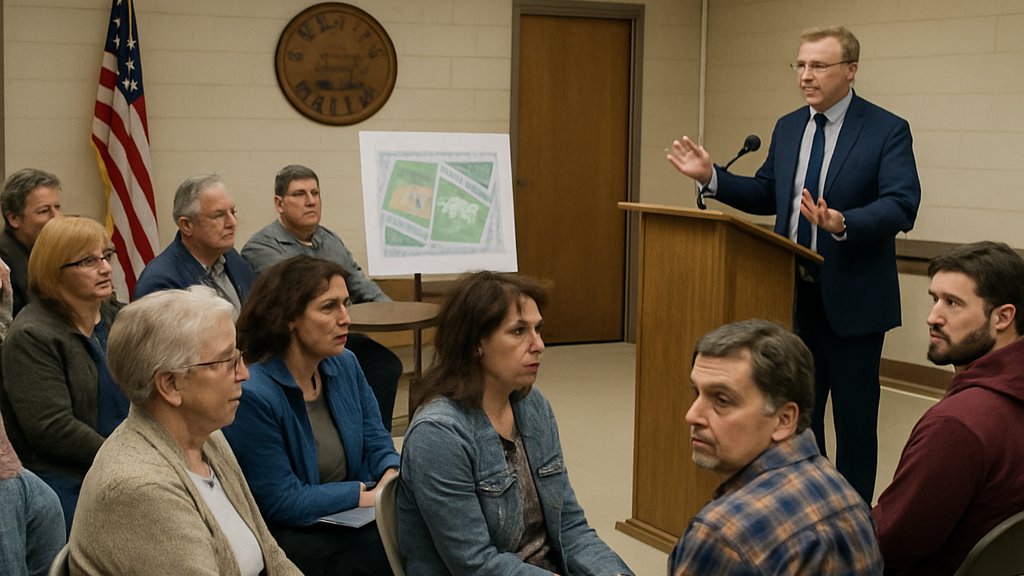
Box Elder County commissioners quietly granted initial consent on 4 May 2026. Subsequently, word spread that the campus could span 40,000 acres across three parcels. Local newspapers highlighted the scale compared with Salt Lake City's footprint. In contrast, developers insisted remote Hansel Valley lacked dense neighborhoods. Still, local backlash grew once water figures appeared in state filings. Residents created chat groups, lawn signs, and a Box Elder referendum committee.
Therefore, the Stratos battle moved from county meetings to national headlines within days. Reporters compared Stratos with Phoenix-area AI Data Centers built by global cloud firms. These events exposed the community's appetite for transparency. However, the governor's response rapidly changed the policy context.
Governor Issues Stricter Framework
On 29 May, Governor Cox signed Executive Order 2026-03 to quell public anger. Consequently, five state divisions must evaluate air, water, wildlife, and ratepayer impacts under tougher rules. The order also mandates extended comment periods and formal public hearings. Moreover, agencies must publish plain-language summaries for non-technical residents. State leaders framed the move as balancing AI Data Centers growth with environmental stewardship. Utah senators praised the framework while urging further concessions from Kevin O'Leary.
Nevertheless, county commissioners worried about losing promised tax revenue. The executive order erected procedural guardrails around future megaprojects. Meanwhile, developers scrambled to adjust their timeline.
Footprint Cut, Details Emerge
On 4 June, Kevin O'Leary delivered a three-page letter to Senate President Stuart Adams. Accordingly, the document pledged to cut the occupied area to roughly 20,000 acres. Only half that land would host buildings; the rest becomes a buffer and conservation zone. Additionally, the team promised on-site natural-gas generators to avoid stressing the state grid. The concession met several governor demands but did not relax projected power demand of up to nine gigawatts. In contrast, critics argued the partial victory left water withdrawals untouched. They noted water estimates still reached 619 million gallons at full build. The revised plan still envisions multiple AI Data Centers buildings arranged in phased clusters.
- Original footprint: 40,000 acres
- Revised footprint: 20,000 acres
- Peak power demand: 7.5–9.0 GW
- Projected water use: 619 million gallons
These figures confirm how the scale remains enormous despite headline reductions. Consequently, energy and water debates intensified.
Energy And Water Stakes
Utah utilities rarely see industrial requests above 500 megawatts. Therefore, a nine-gigawatt load would dwarf regional peaks many times over. Engineers warned that backup lines and fuel logistics could strain rural roads. Moreover, physicist Rob Davies estimated combined thermal and electrical load near 16 gigawatts. He likened daily waste heat to twenty-three atomic bombs detonating in slow motion. Meanwhile, hydrologists questioned withdrawing 1,900 acre-feet from aquifers feeding the Great Salt Lake.
Such pumping could accelerate lakebed dust storms already threatening public health. Proponents countered that on-site cooling towers would recycle most process water. Nevertheless, water rights applications were withdrawn after the local backlash surged. Re-filing is expected once new hydro studies conclude.
Thermal Load Concerns Rise
Waste heat remains an overlooked risk for many AI Data Centers planners. Subsequently, foreign regulators began drafting temperature thresholds near hyperscale sites. Industry analysts predict similar guardrails could reach Utah within a year. Consequently, investors anticipate higher capital costs for compute expansion in arid climates. Heat policy is evolving quickly. However, public perception will shape the next political turn.
Energy and water constraints continue to dominate risk models. Meanwhile, opinion polls reveal how those risks land with voters.
Public Opinion Turns Sour
A Deseret News poll released 24 May found 53 percent of voters opposing Stratos. In contrast, only 30 percent expressed support, even after promised tax breaks. Pollsters linked shifting views to daily headlines about drought and power demand. Furthermore, 71 percent of respondents favored stronger water protections statewide. Activists framed the numbers as proof that local backlash could sway future elections. Meanwhile, Kevin O'Leary launched a media blitz on national television defending the project. He argued AI Data Centers are critical for national security and high-wage employment. Polling suggests sentiment has hardened despite marketing campaigns. Therefore, the industry is watching the political fallout closely.
Broader Lessons For Industry
The Stratos saga offers a cautionary script for other AI Data Centers proposals. Moreover, governance shortcuts can trigger costly delays when communities feel excluded. Developers should integrate wildlife, water, and grid studies before filing initial permits. Additionally, transparent briefings can pre-empt local backlash and litigation threats. Experts also recommend phased compute expansion aligned with incremental infrastructure upgrades. Consequently, utilities remain partners rather than frantic problem solvers.
Professionals can enhance their expertise with the AI Architect™ certification. Therefore, trained engineers will better anticipate environmental, thermal, and regulatory hurdles. Industry alignment with science and community priorities reduces backlash risks. Meanwhile, the Stratos outcome enters its decisive phase.
Conclusion And Next Steps
Stratos began as a landmark vision yet now embodies the tensions shaping digital infrastructure. However, revised footprints and new regulations show compromise is possible. Utah residents proved that informed organizing can redirect powerful investment flows. Consequently, AI Data Centers everywhere must account for water, heat, and public trust. Investors still expect robust compute expansion, but engineering ingenuity must match regional limits. Moreover, proactive certifications empower professionals to design responsibly. Readers should explore the linked AI Architect™ program and strengthen their strategic toolkit. Therefore, seize the learning opportunity today and help build sustainable AI Data Centers tomorrow.
Disclaimer: Some content may be AI-generated or assisted and is provided ‘as is’ for informational purposes only, without warranties of accuracy or completeness, and does not imply endorsement or affiliation.


