

AI CERTS
2 hours ago
Senate Scrutiny Intensifies Over China AI Chips Exports
Transitioning from policy debates, industry leaders fear revenue disruption. Meanwhile, analysts warn prolonged uncertainty could accelerate Chinese self-reliance.
Indictment Sparks Senate Alarm
March’s unsealed indictment shocked Capitol Hill. Three defendants allegedly redirected Supermicro servers packed with Nvidia GPUs worth $510 million during one six-week window. Furthermore, prosecutors described “a tangled web of lies” underpinning the smuggling network. Senators reacted quickly. Consequently, a March 23 letter demanded Commerce pause new licenses and probe corporate statements. That request repeated during an April Senate hearing reviewing export enforcement budgets. The phrase “materially misled” appeared multiple times, underscoring possible legal exposure.
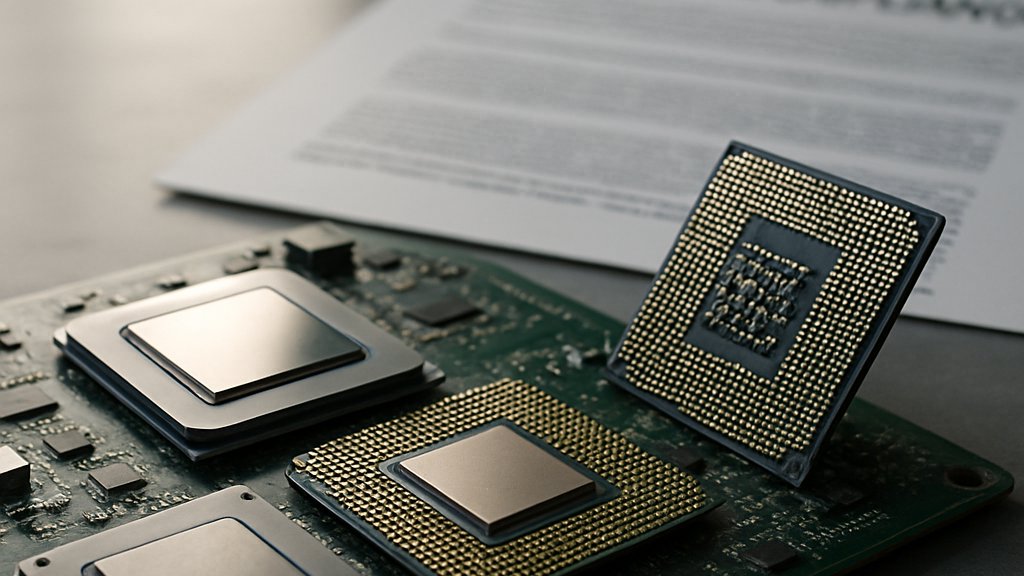
Another Senate hearing could follow if answers remain incomplete. Moreover, lawmakers cite earlier false assurances about China AI Chips diversion. These developments set a combative tone for the next legislative session. In summary, criminal charges transformed a technical policy dispute into a headline security saga. Nevertheless, deeper commercial implications quickly surfaced.
Licensing Process Under Fire
Attention soon shifted to Commerce’s Bureau of Industry and Security. Officials authorized limited H200 shipments to ten Chinese cloud firms during mid-May. However, reporters found no evidence of delivered units. Senator Chris Coons therefore pressed Secretary Howard Lutnick for exact counts. Additionally, Coons highlighted testimony gaps between Commerce and Nvidia executives. Each contradiction fuels political suspense ahead of another Senate hearing. Consequently, industry compliance teams monitor every statement.
Export-license scrutiny also revives debate over broader export controls. Critics argue carve-outs create audit nightmares. Moreover, diversion channels operate faster than paperwork. Proponents counter that calibrated rules maintain commercial links without giving away bleeding-edge performance. The argument touches core AI geopolitics. Ultimately, the administration must balance alliance cohesion, industrial policy, and deterrence. Many observers expect new rulemaking this autumn. That prospect keeps China AI Chips in the political spotlight.
Revenue Stakes Remain High
Numbers reveal why companies lobby hard. Nvidia disclosed $4.6 billion in H20 revenue last quarter. Roughly 13 percent came from China sales. Furthermore, Financial Times research suggests $1 billion of advanced processors entered China illicitly after the 2025 tightening. Consequently, policymakers worry that restrictions simply push transactions underground. Meanwhile, investors fear lost market share if black-market demand persists.
Key statistics summarizing the commercial tension appear below:
- Alleged diverted value: $2.5 billion (2024-2025) — DOJ records
- Single six-week diversion: $510 million of servers
- Malaysia GPU imports: 3,000 percent annual spike
- H200 sales approved: ten Chinese firms, zero shipments confirmed
- Quarterly H20 revenue: $4.6 billion, 13 percent from China sales
These figures illustrate the scale of opportunity and risk. Moreover, they contextualize Washington’s urgency. Therefore, corporate guidance for the next fiscal year remains clouded by political variables. Yet demand signals inside China remain robust for China AI Chips.
Security Risks And Diversion
National-security experts view advanced GPUs as dual-use assets. Consequently, the Pentagon fears accelerated People’s Liberation Army modernization. In contrast, some economists highlight potential leverage from continued exports. Nevertheless, diversion evidence keeps piling up. A notable data point involves Malaysian re-exports.
Malaysia Import Spike Data
Customs databases show a dramatic surge in Malaysian GPU imports. Additionally, investigative journalists traced onward shipments into Shenzhen warehouses. Such patterns raise alarms about ineffective export controls. Moreover, senators cite these numbers while debating harsher penalties. They also question vendor compliance procedures. Nvidia insists it strengthens audits after the indictment. However, skeptics demand third-party verification. These doubts sustain pressure on Commerce to tighten oversight of China AI Chips.
In summary, diversion channels demonstrate creativity and speed. However, expanded enforcement resources could slow traffickers and reassure allies. The next section explores competing policy prescriptions.
Policy Arguments For Sales
Supporters of measured licensing advance several points. Firstly, controlled shipments generate U.S. tax revenues while preserving design leadership. Secondly, interdependence might temper Beijing’s drive for indigenous accelerators. Furthermore, corporate R&D benefits from scale, lowering costs for domestic customers. Consequently, some think-tank researchers argue overly rigid export controls backfire.
Analysts also note that Blackwell and Rubin architectures will soon eclipse H200 performance. Therefore, today’s licensed hardware could age quickly, reducing strategic sensitivity. Moreover, limited access allows Washington to observe usage patterns, informing future rules. Nevertheless, opponents stress that software updates can rejuvenate seemingly dated GPUs. The debate therefore hinges on timeline assumptions within shifting AI geopolitics and China sales forecasts.
Professionals can enhance compliance expertise through the AI Government Specialization™ certification. Such credentials help teams navigate fast-evolving policy risks around China AI Chips.
These economic arguments influence policymakers weighing national security against innovation. However, unanswered oversight questions may override market logic, as discussed next.
Oversight Questions Moving Forward
Several information gaps persist. Commerce has not published current shipment counts. Additionally, Congress still awaits details on Nvidia’s end-user checks. Moreover, the status of approved H200 orders remains unclear. Consequently, investors brace for guidance revisions.
Regulators could impose stronger reporting thresholds. In contrast, companies lobby for streamlined reviews. Meanwhile, think tanks propose multilateral alignment to curb transshipment. Such collaboration might close loopholes without halting legitimate China sales. Furthermore, upcoming trade dialogues could integrate AI clauses, embedding geopolitical safeguards. The continued clash between revenue goals and security fears ensures AI geopolitics will dominate quarterly calls.
Summarizing, transparency will determine future license velocity. However, bilateral tensions guarantee that China AI Chips remain contentious.
Consequently, all stakeholders must prepare for policy swings. The following conclusion distills actionable insights.
Conclusion
Senators intensified scrutiny after a massive diversion indictment. Moreover, licensing contradictions fueled multiple Senate hearing demands. Revenue data reveal high stakes for Nvidia amid tightening export controls. Security experts warn that diversion threatens U.S. interests and shapes AI geopolitics. Nevertheless, advocates argue measured sales preserve influence and sustain critical research. Transparency and rigorous audits will decide how long official China sales continue. Consequently, professionals should monitor Commerce updates and bolster compliance skills. For deeper expertise, explore the linked certification and stay ahead of evolving China AI Chips policy.
Disclaimer: Some content may be AI-generated or assisted and is provided ‘as is’ for informational purposes only, without warranties of accuracy or completeness, and does not imply endorsement or affiliation.


