

AI CERTS
2 hours ago
Smart Home AI: Samsung Bespoke Laundry Gets Chat Upgrade
This article examines the market context, technical advances, performance data, and enterprise implications behind the voice-enabled Wash-to-Dry experience.
AI Laundry Market Context
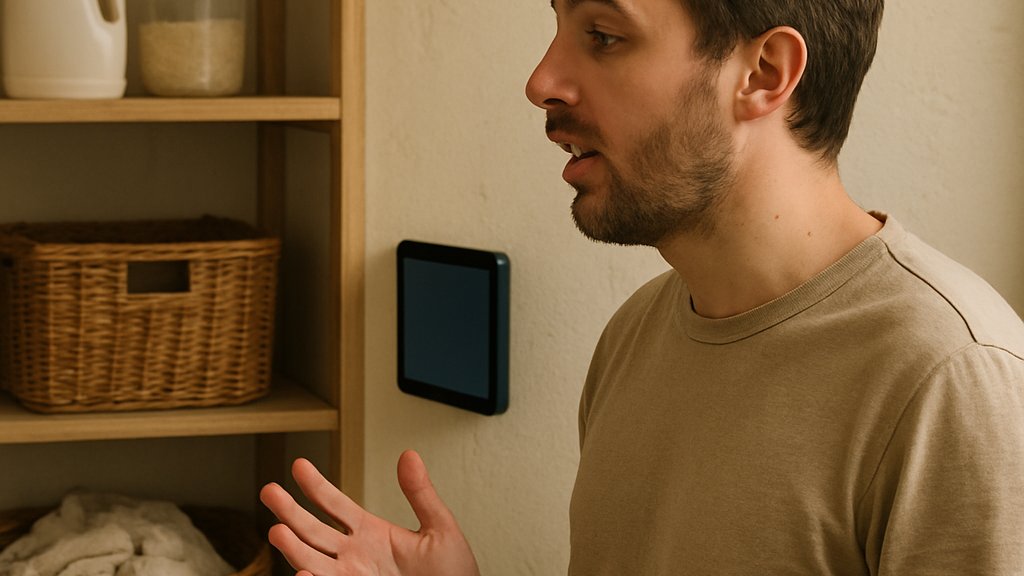
Global appliance makers chase differentiated value as mature washers commoditize. However, Bespoke AI Laundry debuted in Europe in late 2024, adding a 7-inch AI Home display and upgraded Bixby assistant. The launch positions Samsung to monetize Smarthome ecosystems with services rather than only hardware margins. Meanwhile, analysts see Smart Home AI adoption accelerating because users crave time savings and energy transparency. In contrast, rivals such as LG lean on Matter compatibility but lack deep conversational control. These dynamics set the stage for revenue growth tied to usage data and cross-device automations.
These trends confirm rising demand for context-aware appliances. Therefore, understanding hardware innovations becomes crucial.
Major Hardware Feature Advancements
The Bespoke AI Laundry Combo unites washer and heat-pump dryer inside a single chassis. Furthermore, load sensors power AI Wash and AI Dry routines that adjust water, spin, and heater intensity per fabric profile. Flex Auto Dispense stores up to 47 loads of detergent, while a vented combo variant promises a 68-minute Super Speed Wash-to-Dry cycle. Additionally, the AI Home display visualizes detergent levels and energy spend, letting owners act without opening a phone.
Professionals can enhance their expertise with the AI+ UX Designer™ certification. The credential explores interface patterns for Natural Language interactions on embedded screens.
Hardware gains deliver tangible user comfort. Nevertheless, software intelligence drives the bigger leap.
Upgraded Bixby Voice Intelligence
Samsung rebuilt Bixby on One UI 8.5, integrating Perplexity search for real-time answers. Consequently, the assistant now handles multi-step requests such as “After this load, start the robot vacuum.” Natural Language models track context across appliances, letting users ask follow-up questions like “How much detergent remains?” Furthermore, conversational macros can trigger energy-saving SmartThings scenes.
Smarthome enthusiasts praise the more responsive tone and reduced latency. Nevertheless, privacy advocates request details on what metadata flows to Perplexity servers. The company has yet to release a complete whitepaper, leaving enterprises to conduct risk assessments before large-scale deployment.
Software progress elevates engagement. Yet efficiency metrics often close purchasing decisions, especially for fleet buyers.
Energy And Resource Gains
Manufacturer testing reveals notable deltas versus EU A benchmarks. AI Wash delivers a 20 percent efficiency edge, while AI Energy Mode can lower washing electricity by 60 percent. Tom’s Guide even recorded an A-65 percent label on the next generation washer.
- Detergent use falls about 15 percent through dynamic dosing.
- Drying energy drops as much as 30 percent with heat-pump modulation.
- Cycle completion notifications reduce idle drum times, curbing fabric wrinkles.
Moreover, UL Solutions rated the lineup “Diamond” for IoT security, addressing enterprise compliance mandates. Consequently, facility managers can justify upgrades using both sustainability and cyber-hardening metrics.
Efficiency numbers impress, yet stakeholders must weigh limitations before rollout.
Implementation Challenges And Risks
Independent labs have not fully replicated Samsung energy claims, creating data gaps. Additionally, fabric sensing presently functions best below eight pounds, so commercial laundries may miss some benefits. Regional availability also varies; several US SKUs still list pricing as “TBD.” Meanwhile, deeper voice integration raises GDPR alignment questions, especially when Natural Language transcripts hit external servers.
These hurdles underscore the need for pilot testing. Nevertheless, proactive planning can unlock significant upside.
Strategic Takeaways For Enterprises
Facility operators should map current laundry workflows and identify repetitive handoffs. Subsequently, Smart Home AI scenarios can automate detergent refills, off-peak scheduling, and maintenance tickets. Procurement teams ought to request third-party verification of Wash-to-Dry energy savings before bulk orders. Furthermore, cybersecurity staff should review UL documentation and conduct threat modeling around Perplexity query paths.
Early adopters report staff time reclaimed and utility bills reduced, strengthening the business case. Therefore, a phased rollout with clear KPIs offers a balanced approach.
The strategic roadmap illustrates actionable steps. Consequently, final reflections will synthesize key insights.
Conclusion And Next Steps
Samsung’s Bespoke AI Laundry shows how Smart Home AI can transform an everyday chore into a conversational, data-rich service. Moreover, integrated sensors, Natural Language control, and energy dashboards deliver measurable convenience. Nevertheless, verification of efficiency claims and privacy design remains essential. Organizations evaluating Smarthome upgrades should pilot the Wash-to-Dry workflow, demand transparent metrics, and train staff on new voice features. Ultimately, embracing secure, efficient automation can free talent for higher-value tasks.
Ready to leverage Smart Home AI for competitive advantage? Explore the linked AI+ UX Designer™ program and accelerate your journey toward intelligent, human-centered appliances.
Disclaimer: Some content may be AI-generated or assisted and is provided ‘as is’ for informational purposes only, without warranties of accuracy or completeness, and does not imply endorsement or affiliation.


