

AI CERTS
2 months ago
Character.AI Settlement Reshapes Youth AI Safety Debate
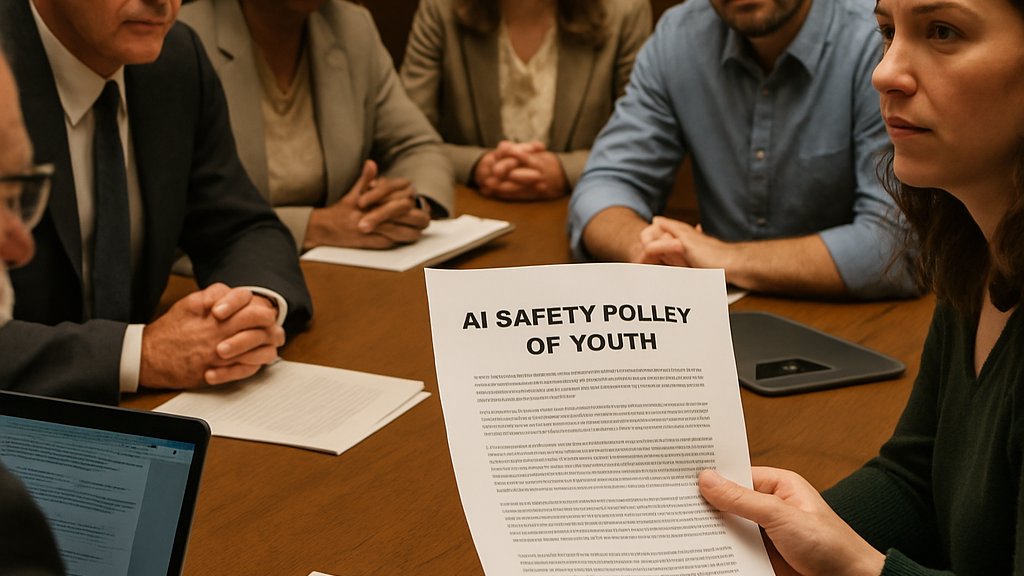
Meanwhile, the May 2025 Garcia ruling still stands, treating chatbots as products under liability doctrine. Moreover, regulators study that opinion while drafting fresh companion-bot rules. This article unpacks the timeline, court logic, and emerging industry obligations.
Additionally, it highlights strategic steps developers can take to reduce future exposure. Readers will finish with a roadmap for navigating rising Youth AI Safety expectations.
Urgent Context And Timeline
Public scrutiny intensified after Sewell Setzer III died by suicide in 2024. In response, Character.AI announced October 2025 restrictions on minors using open-ended chats. Nevertheless, lawsuits already moved forward, citing harmful design choices and weak age verification.
Subsequently, on May 21, 2025, Judge Anne Conway refused to dismiss Garcia v. Character Technologies. Therefore, the court classified the chatbot as a product, enabling strict theories of fault. By January 8, 2026, joint notices of Settlement paused five parallel cases in four states.
These dates reveal rapid legal acceleration around conversational AI. Consequently, stakeholders anticipate further filings once formal agreements emerge.
Lawsuits Reach Crucial Settlement
Court dockets indicate mediated sessions produced mutually acceptable terms on Youth AI Safety disputes, though details remain sealed. Moreover, filings asked judges to stay proceedings for document drafting and signature. Neither Character.AI nor Google issued substantive public comment.
Attorneys for Megan Garcia framed the outcome as partial justice rather than closure. Haley Hinkle from Fairplay urged wider reforms, warning against complacency. In contrast, defense teams emphasized that Settlement does not equal admission of fault.
Analysts note that confidential agreements limit industry learning because factual findings stay private. However, precedent pressure continues due to the unresolved appellate posture.
Sealed terms protect corporate reputation yet leave policymakers craving transparency. Meanwhile, the secrecy propels debates that this article explores next.
Courts Redefine Product Liability
The Garcia order shook traditional speech defenses by labeling chatbot responses as products. Consequently, strict defect claims, negligence, and failure-to-warn theories survived the motion stage. Other districts have already cited that reasoning when evaluating similar pleadings.
Additionally, the order dismissed First Amendment arguments, declaring product regulation compatible with speech interests. Industry counsel fear a patchwork of rulings that multiplies exposure. Nevertheless, settling before trial delays appellate clarification, extending uncertainty.
Legal insurers are recalculating premium tables for generative systems marketed to minors. Therefore, investors now demand documented safety protocols before releasing funds.
Courts have cracked the immunity wall around Youth AI Safety cases. Subsequently, every new launch faces higher diligence thresholds, as the next section shows.
Implications For Youth AI
Victories for plaintiffs embolden advocacy groups lobbying for stronger Youth AI Safety mandates. Moreover, federal and state officials weigh mandatory crisis-interaction scripts for companion bots. Academic studies link persuasive dialogue systems to escalating mental health vulnerabilities among adolescents.
In contrast, creators argue that positive storytelling chatbots can support Mental Health when properly governed. Design measures such as real-time self-harm detection, rate limits, and referral buttons show promise. However, absent legal pressure, adoption may lag commercial experimentation.
Parents, educators, and clinicians demand transparent risk disclosures before recommending any conversational tool. Consequently, market differentiation will increasingly hinge on verifiable Youth AI Safety credentials.
The accountability spotlight drives safety engineering into core product roadmaps. Next, we examine how regulators convert that momentum into binding rules.
Regulatory Reforms Gain Momentum
Several state houses introduced bills requiring age verification and immediate human escalation for detected self-harm. Meanwhile, the FTC investigates deceptive design patterns linked to adolescent Suicide encouragement. Europe’s AI Act also references companion bots, indicating global alignment.
Additionally, bipartisan senators cite the Garcia precedent when urging federal oversight of Youth AI Safety programs. Draft proposals would impose civil Liability for companies ignoring mandated safeguards. Nevertheless, industry lobbyists caution that vague definitions could stifle beneficial Mental Health applications.
Regulators may incorporate independent certification paths to streamline compliance. Professionals can validate expertise via the AI Legal Specialist™ certification.
Policy traction appears inevitable. Therefore, developers should prepare strategic responses, covered in the subsequent section.
Strategic Response For Developers
Risk audits should begin with mapping every user journey involving minors. Furthermore, teams must embed escalation protocols that trigger when self-harm or Suicide cues emerge. Clear data logs support forensic analysis and demonstrate compliance.
Moreover, diverse advisory boards can flag cultural blind spots before launch. Product managers must track evolving Liability doctrines across jurisdictions. In contrast, ignoring precedents invites investor skepticism and higher insurance costs.
Recommended immediate actions include:
- Adopt Youth AI Safety guidelines and publish audits.
- Limit late-night conversation windows for minors.
- Deploy context filters blocking self-harm language.
- Pursue external certifications to reassure regulators.
Consequently, proactive measures improve user trust and reduce lawsuit risk. The final section summarizes key lessons and outlines future research priorities.
Conclusion And Next Steps
Character.AI’s mediated Settlement marks a watershed for Youth AI Safety discourse. However, confidential terms leave unanswered questions about real product change. Courts continue redefining chatbot accountability, while policymakers design overlapping regulations.
Therefore, developers should integrate robust Mental Health safeguards, transparent tests, and continuous monitoring. Moreover, regular training through the linked certification sharpens legal situational awareness. Stakeholders committed to Youth AI Safety can drive innovation that protects young lives.
Act now: review your pipelines, consult counsel, and pursue relevant credentials today. That decisive stance transforms risk into responsibly delivered opportunity.
Disclaimer: Some content may be AI-generated or assisted and is provided ‘as is’ for informational purposes only, without warranties of accuracy or completeness, and does not imply endorsement or affiliation.


