

AI CERTS
3 days ago
Vercel Data Breach Exposes OAuth Supply-Chain Gaps
The Vercel Data Breach therefore illustrates a growing supply-chain risk where consumer AI tools intersect enterprise code pipelines. Meanwhile, CISOs worry about the unknown dwell time between the February infection and the April disclosure. In contrast, Vercel asserts that sensitive variables remained unreadable. Nevertheless, professionals now question legacy defaults around secrets classification.
Industry experts urge immediate auditing of Third-Party grants and end-user hygiene. Furthermore, cloud leaders can reinforce skills through the AI Security Compliance™ certification. These dynamics set the stage for a deeper examination of what unfolded, why it mattered, and how teams must respond.
Comprehensive Breach Timeline Overview
Forensic evidence shows a February 2026 starting point. Initially, a Context.ai staff laptop ran game cheat code laced with Lumma Stealer. Subsequently, the malware exfiltrated browser cookies, session tokens, and AWS keys. Months later, attackers reused a stolen token to impersonate a Vercel employee inside Google Workspace. Consequently, they accessed internal dashboards on 19 April. Vercel published its first bulletin hours later. The Vercel Data Breach therefore spanned at least eight weeks of silent exposure, creating significant dwell time concerns. However, quick disclosure limited further surprise.
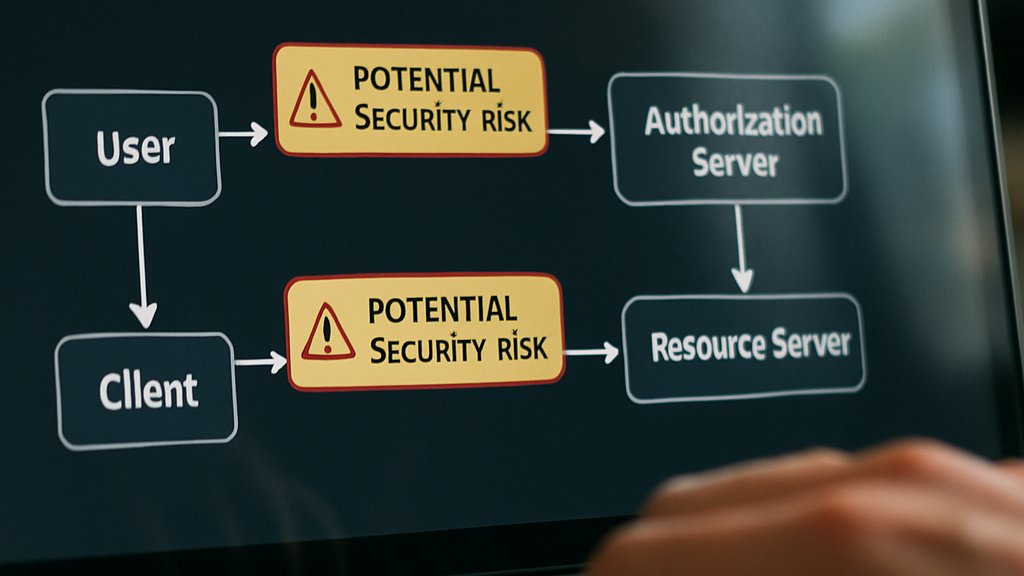
This timeline confirms multi-stage persistence across two companies. However, deeper technical details reveal sharper lessons.
Technical Attack Chain Details
Attackers followed a classic four-step playbook. First, they compromised the vendor endpoint with Lumma Stealer. Secondly, they hijacked application infrastructure at Context.ai and minted fresh tokens. Thirdly, the malicious token reached Vercel systems via broad Third-Party consent. Finally, environment variables marked non-sensitive were enumerated. Moreover, infostealer automation reduced dwell time between each hop. Analysts highlight the OAuth pivot as the single biggest amplification step.
The Vercel Data Breach underscores how bearer tokens act as keys until revoked. Additionally, Vercel confirmed that packages like Next.js remained untouched, preserving downstream code integrity. Nevertheless, the Vercel Data Breach shows attackers need no zero-days when abundant permissions exist.
These steps outline a repeatable pattern across SaaS ecosystems. Consequently, understanding customer impact becomes the next priority.
Customer Exposure Scope Analysis
Vercel states that only a limited subset of variables were exposed. However, every non-sensitive variable stood readable, including some API keys. Moreover, threat actors advertised alleged employee records for US$2 million on BreachForums. The claim remains unverified, yet still pressures incident comms. Customers worry about server workloads chained to leaked keys. Furthermore, analysts warn that longer dwell time increases credential reuse odds across integrated services. In contrast, variables flagged as sensitive stayed encrypted and unreadable. The Vercel Data Breach has therefore renewed debate on default secret classifications.
This scope analysis stresses least-privilege principles and secrets hygiene. Therefore, attention shifts toward immediate mitigation actions.
Practical Mitigation Steps Forward
Security teams need structured tasks. Consequently, experts recommend the following checklist:
- Rotate every plaintext environment variable stored before 24 April 2026.
- Search Google Workspace for OAuth App ID 110671459871-30f1spbu0hptbs60cb4vsmv79i7bbvqj and revoke suspicious grants.
- Enforce admin approval for all Third-Party authorization scopes.
- Harden endpoint defenses against infostealers to reduce initial dwell time.
- Configure new variables as sensitive by default within Vercel projects.
Additionally, organisations should monitor Cloud audit logs for unusual read patterns. Moreover, they can upskill staff through industry recognised compliance certifications. The Vercel Data Breach again highlights supply-chain blind spots.
Executing these steps reduces immediate blast radius. Nevertheless, broader strategic lessons deserve equal focus.
Strategic Cloud Defense Lessons
Many leaders treat OAuth governance as an afterthought. However, the breach proves that Cloud identity boundaries matter more than perimeter firewalls. Furthermore, enforced least-privilege scopes limit token abuse. Analysts also emphasise reducing detection gaps through continuous token inventory feeds. Moreover, contracts with Third-Party vendors should define strict notification windows. The Vercel Data Breach further demonstrates reputational damage when disclosures lag technical reality. Consequently, proactive tabletop exercises prepare communication playbooks in advance.
These lessons promote resilient architectures and transparent processes. Subsequently, unanswered questions still shape future reporting.
Outstanding Open Questions Ahead
Investigators have not published the final customer count. Additionally, Mandiant’s complete findings remain confidential. Moreover, Context.ai has yet to detail which OAuth token classes were exfiltrated. In contrast, Vercel has not validated the BreachForums dataset. Therefore, journalists and customers alike await clarity on actual dwell time length. The Vercel Data Breach will likely appear in future regulatory filings once numbers solidify.
Answering these questions will refine risk assessments across Cloud ecosystems. Consequently, stakeholders should stay alert for final reports.
Conclusion And Next Steps
In summary, the Vercel Data Breach exposed how stolen OAuth tokens can traverse Third-Party networks and unlock critical Cloud assets. Consequently, monitoring token inventory, enforcing least-privilege, and classifying all secrets as sensitive emerge as mandatory actions. Moreover, reducing dwell time through better endpoint protection mitigates future attacks. Nevertheless, until investigators release full findings, uncertainty persists. Consequently, this security posture will strengthen cross-team resilience. Professionals can deepen defensive expertise through the AI Security Compliance™ certification. Act now, audit every token grant, and harden your pipelines before the next supply-chain surprise.
Disclaimer: Some content may be AI-generated or assisted and is provided ‘as is’ for informational purposes only, without warranties of accuracy or completeness, and does not imply endorsement or affiliation.


