

AI CERTS
6 days ago
Murati’s Testimony Intensifies OpenAI Lawsuit Turmoil
Meanwhile, investors tracked every word because billions of dollars ride on the trial’s outcome. The OpenAI Lawsuit also raises governance questions for nonprofit hybrids across the broader tech sector. Moreover, the case offers a rare window into closed-door safety debates at a globally influential lab. Therefore, corporate counsels, policymakers, and engineers all have stakes in what comes next. This article unpacks the timeline, testimony, investor impact, and possible ramifications. In contrast, the litigation could redefine how charitable tech ventures commercialize advanced research.
OpenAI Trial Timeline Overview
Chronology matters when legal teams frame narratives. Firstly, jury selection began on 27 April 2026 under Judge Yvonne Gonzalez Rogers. Subsequently, opening statements commenced the next morning, establishing divergent storylines.
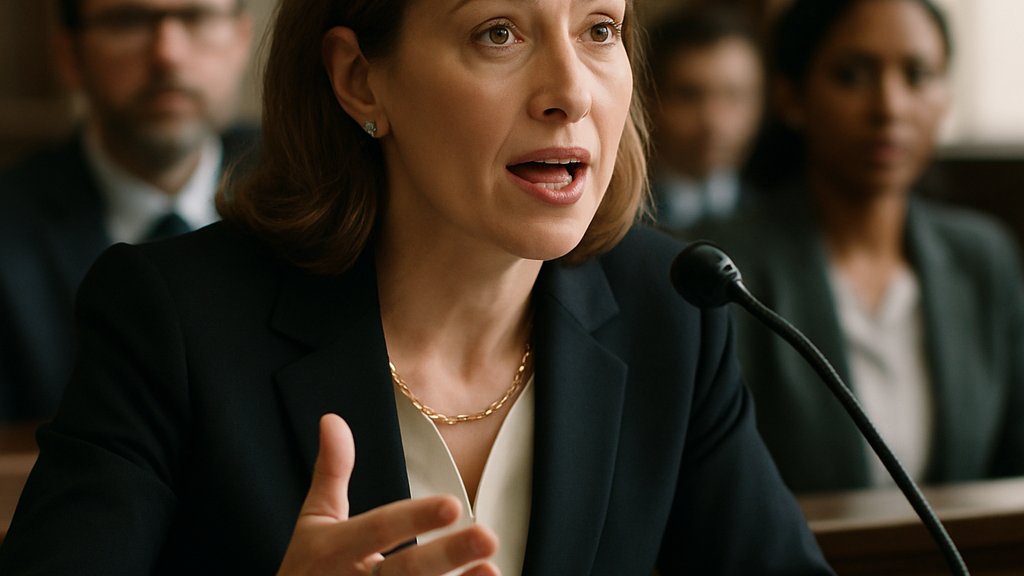
On 6 May, the court watched Murati’s deposition for roughly two hours. She alleged inconsistent messages from Altman during critical model release discussions. Jurors reacted visibly, although their advisory role leaves final judgment with the bench.
These dates anchor the courtroom narrative for the OpenAI Lawsuit. Next, we examine what Murati actually said under oath.
Key Murati Deposition Highlights
Reporters received only excerpts, yet the language proved striking. She stated, “Sam said one thing to one person and the opposite to another.” Consequently, she feared OpenAI was at catastrophic risk of falling apart.
Another passage accused leadership of creating chaos by bypassing internal safety panels. In contrast, defence counsel suggested ordinary startup urgency can resemble disorder. Nevertheless, the testimony injected fresh distrust into public perception.
Such recollections bolster Musk’s narrative within the OpenAI Lawsuit. However, they also expose governance mechanisms that shareholders elsewhere may replicate or avoid.
These highlights crystallize the leadership conflict. However, the spotlight now shifts to Altman’s counter-narrative.
Altman Leadership Under Fire
Sam Altman remains the chief executive and a central defendant. He argues rapid commercialization funded research that might otherwise stall. Moreover, his team stresses that product launches complied with internal and external regulations.
- Damages sought equal roughly $150 billion, reflecting the gigantic stakes of this litigation.
- The advisory jury holds nine members, yet the judge retains ultimate power.
- Murati launched Thinking Machines after raising $2 billion, signaling competitive pressure.
Nevertheless, critics view Altman’s style as fostering ongoing distrust within technical ranks. Consequently, investor confidence hinges on whether oversight can tame apparent volatility.
The leadership debate fuels courtroom theater in the OpenAI Lawsuit. Next, we look at market reactions beyond the courthouse.
Investor And Industry Reactions
Capital markets responded within hours of Murati’s testimony. Shares of suppliers with heavy OpenAI exposure dipped modestly before recovering the next day. Meanwhile, NVIDIA highlighted its gigawatt commitment to Thinking Machines Lab.
Analysts viewed the contrast as symbolic. On one side stands an organization mired in litigation and governance questions. On the other stands a new lab scaling compute at unprecedented power levels.
Furthermore, legal risk premiums may rise for hybrid nonprofit ventures following the OpenAI Lawsuit. Consequently, boards now reassess disclosure practices and succession planning.
Investors dislike uncertainty and distrust. However, legal precedent could clarify valuations, leading us to the next section.
Legal Stakes And Precedent
Musk pursues equitable relief rather than simple damages. Therefore, the advisory jury serves only as a moral compass. Ultimately, the judge will decide whether to unwind corporate structures created after 2019.
Scholars note that a sweeping decree could reshape Silicon Valley philanthropy. In contrast, a narrow ruling might only levy fines. Either way, the OpenAI Lawsuit carries sector-wide implications for charitable conversions.
Additionally, ongoing litigation against other AI companies will watch this courtroom for signals. Consequently, compliance officers seek formal training. Professionals can enhance their expertise with the AI Legal Strategist™ certification.
These stakes underscore why oversight matters. Next, we extract governance lessons for leaders across the ecosystem.
Governance Lessons For Leaders
Board design surfaced as a recurring weakness throughout testimony. Moreover, inconsistent safety sign-offs created communication gaps that bred distrust. Practical fixes include clear escalation paths, independent risk committees, and transparent audit logs.
Meanwhile, compensation structures must avoid perverse incentives that reward secrecy. Additionally, external advisors should verify milestone claims before public releases. These principles extend far beyond the OpenAI Lawsuit and cover emerging AGI ventures.
Consequently, founders should document safety variance and product readiness decisions meticulously. Nevertheless, robust culture grows from consistent, honest dialogue, not mere paperwork.
Governance failures erode trust quickly. However, thoughtful structures can prevent future crises, leading to our concluding assessment.
Conclusion And Future Outlook
Mira Murati’s deposition injected vivid color into an already contentious courtroom fight. Simultaneously, the executive’s defence painted necessary urgency rather than chaos. However, advisory jurors and investors heard testimony that fuels persistent litigation risk. Consequently, verdict aside, the OpenAI Lawsuit will influence governance models for frontier AI. Moreover, rival labs will calibrate fund-raising strategies by watching Musk’s claims succeed or fail.
Professionals seeking to navigate this legal maze should consider the previously mentioned certification. In sum, transparency, accountability, and balanced incentives remain the surest path to sustainable innovation. Explore the linked program and prepare your organization for the next governance challenge. Act now to turn the lessons of the OpenAI Lawsuit into proactive safeguards.
Disclaimer: Some content may be AI-generated or assisted and is provided ‘as is’ for informational purposes only, without warranties of accuracy or completeness, and does not imply endorsement or affiliation.


