

AI CERTS
2 months ago
LiteLLM’s Compliance Integrity Breach Reshapes Vendor Strategy
Consequently, LiteLLM parent BerriAI scrambled. Engineers posted an advisory and quarantined versions 1.82.7 and 1.82.8. Furthermore, PyPI removed the packages after roughly forty minutes online. Stakeholders demanded answers about trust, audits, and future controls.
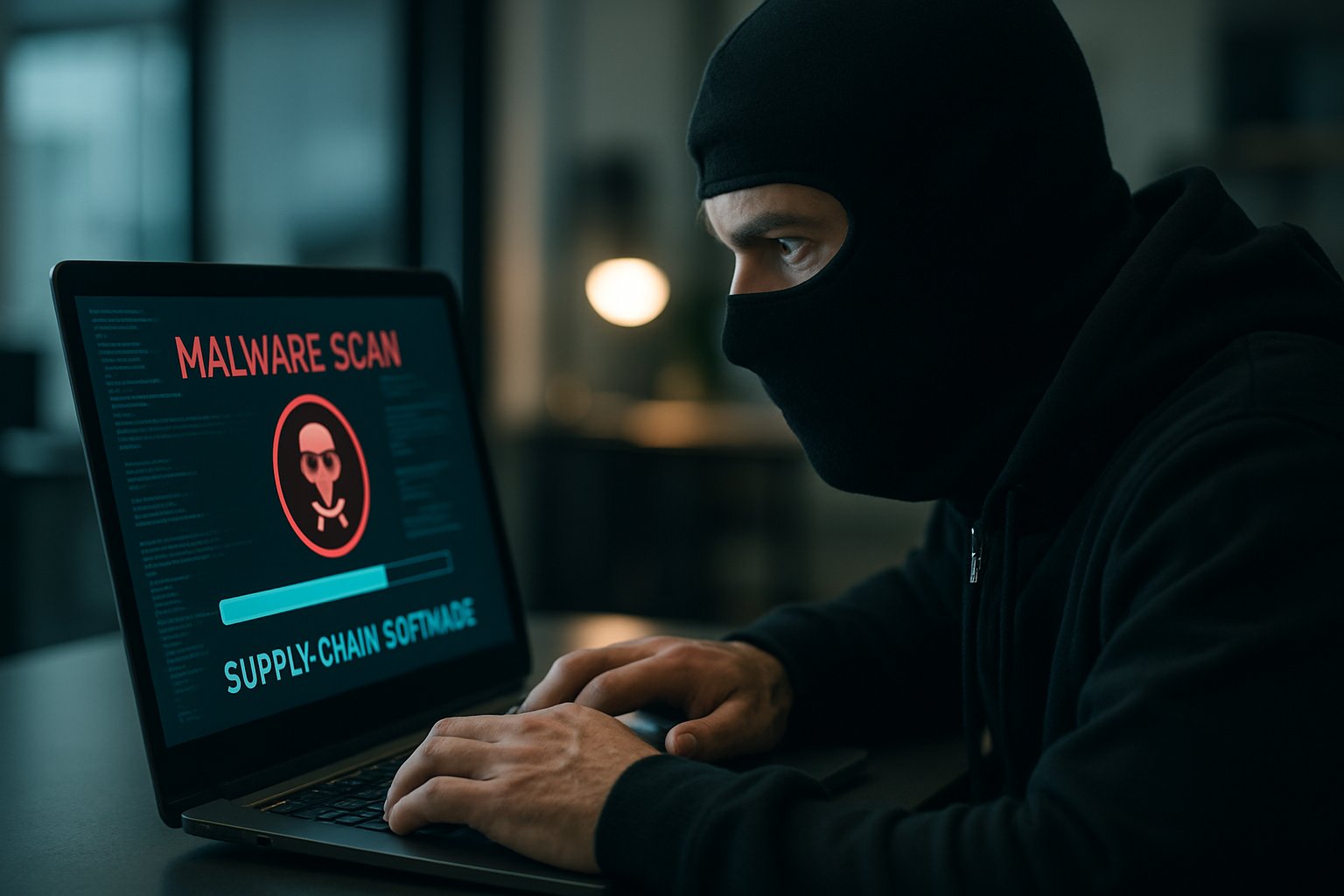
This article dissects the breach timeline, the credential blast radius, and LiteLLM’s shifting compliance strategy. Moreover, it provides clear guidance for enterprise security teams. Readers will see why certification choices matter after a high-velocity compromise.
Breach Timeline Key Events
Investigators place the first malicious upload at 10:39 UTC. Shortly after, version 1.82.8 followed with a stealthier .pth hook. Meanwhile, PyPI volunteers flagged unusual network callbacks and began quarantine.
LiteLLM issued its advisory within four hours. Datadog Security Labs corroborated the timestamps in a separate report. Consequently, both teams urged immediate downgrade to the last safe build 1.82.6.
These fixed times show fast attacker action and equally rapid community defense. However, speed alone failed to stop the Compliance Integrity Breach cascade. The next section explains how the attack widened.
Attack Unfolds With Speed
TeamPCP attackers embedded a credential harvester inside litellm’s setup script. Moreover, version 1.82.8 added a Python startup hook that ran before imports. Therefore, any pip install instantly executed the payload.
The malware exfiltrated SSH keys, cloud IAM tokens, database passwords, and wallet files to attacker domains. In contrast, many previous campaigns required manual trigger or import. Consequently, blast radius expanded beyond developer laptops into CI pipelines.
This technical novelty intensified the Compliance Integrity Breach impact. Security teams now treat every affected host as fully compromised. Nevertheless, practical containment steps exist.
The attacker tactic leveraged automation against itself, moving faster than human review. Yet stolen credentials create even wider danger. The following discussion measures that blast radius.
Credential Theft Blast Radius
Endor Labs estimates litellm averages 3.4 million daily downloads. Moreover, gateway deployments often store dozens of provider API keys. Consequently, one infected wheel could leak hundreds of secrets per company.
Key assets confirmed at risk included:
- SSH private keys used for Git operations
- Cloud provider tokens across AWS, Azure, and GCP
- Kubernetes cluster configuration and service account tokens
- Database connection strings and SSL certificates
Researchers also warned about lateral movement via compromised CI runners. Additionally, malware attempted persistence using a systemd unit named “litellm_sync”. Therefore, hosts required deep forensic analysis before reuse.
Every stolen secret links back to the broader Compliance Integrity Breach narrative. Consequently, regulators may scrutinize incident reporting timelines.
Credential scope illustrates why rapid revocation matters. However, LiteLLM’s business decision soon took center stage. The next section covers Delve’s fallout.
LiteLLM Cuts Delve Ties
While technical staff fixed code, executives re-evaluated compliance partners. Moreover, whistleblower claims suggested Delve practiced loose auditing. In contrast, LiteLLM opted to terminate the contract immediately.
CTO Ishaan Jaff said the Compliance Integrity Breach demanded independent verification. Therefore, the team pivoted toward providers with stronger reputations and clearer evidence trails.
Delve founder Karun Kaushik denied wrongdoing and offered retests. Nevertheless, customers now associate delayed detection with possible certification fraud, compounding reputational risk.
LiteLLM’s break from Delve signaled cultural change alongside code fixes. However, certifications still matter for enterprise deals. Next, we assess the recertification path.
Recertifying Through Vanta Steps
LiteLLM selected Vanta to regain SOC 2 and ISO 27001 badges after the Compliance Integrity Breach. Additionally, the company hired Mandiant for independent forensics. Therefore, stakeholders receive both automated checks and manual assurance.
Vanta’s platform integrates directly with GitHub, AWS, and CI logs. Consequently, deviations trigger alerts before deployment. Such guardrails aim to prevent another Compliance Integrity Breach from escaping preview.
Professionals can deepen expertise with the AI+ Marketing Strategist™ certification. Moreover, understanding audit frameworks helps engineering leaders evaluate vendor claims.
Key recertification milestones include:
- Rebuilding CI/CD pipeline with signed artifacts
- Continuous vulnerability scanning before PyPI release
- Quarterly penetration tests by independent auditors
- Annual review against SOC 2 and ISO 27001 controls
These checkpoints restore observable trust over time. Nevertheless, community vigilance remains essential. The next section reviews guidance from broader industry voices.
Industry Response And Guidance
Security vendors published indicators of compromise within hours. Datadog shared packet captures while Wiz released Kubernetes hunting queries. Moreover, Endor Labs updated download telemetry to monitor remaining exposure.
Experts advise rotating all credentials if litellm was installed during the exposure window. Additionally, terminate cloud sessions and reissue long-lived tokens. Therefore, teams contain lingering malware risk.
Auditors remind readers that SOC 2 and ISO 27001 attestations do not cover package registries directly. Consequently, relying solely on paperwork invites certification fraud perceptions when supply-chain incidents strike.
The Compliance Integrity Breach underscores the gap between code integrity and control checklists. Nevertheless, combining automated provenance checks with human review can bridge that divide.
Collective action from registries, vendors, and developers forms a multi-layer defense. However, internal governance must evolve too. The final section distills those lessons.
Compliance Lessons For Teams
First, pin dependencies and enable checksum verification during builds. Moreover, sign internal packages to detect tampering. Consequently, attackers face higher hurdles.
Second, treat SOC 2 and ISO 27001 reports as starting points, not absolutes. In contrast, dynamic controls like runtime egress monitoring capture malware behavior earlier.
Third, vet compliance vendors for independence to avoid certification fraud scenarios. Additionally, demand transparent remediation playbooks before signing contracts.
The Compliance Integrity Breach narrative proves that trust decays quickly after surprise. Therefore, prepared playbooks restore confidence faster.
These tactical steps strengthen technical and organizational integrity. However, ongoing education cements progress. The conclusion summarizes core priorities.
Key Takeaways
LiteLLM’s journey illustrates how a Compliance Integrity Breach can escalate from code to contracts. Moreover, rapid disclosure, robust SOC 2 and ISO 27001 recertification, and community collaboration contained fallout.
Enterprises should harden pipelines, validate packages, and audit vendors continually. Consequently, risk moves from unknown to managed.
Ready to deepen governance skills? Explore the AI+ Marketing Strategist™ program and lead your team with confidence.
Disclaimer: Some content may be AI-generated or assisted and is provided ‘as is’ for informational purposes only, without warranties of accuracy or completeness, and does not imply endorsement or affiliation.


