

AI CERTs
2 months ago
Ransomware Fraud Wave: Deepfake Voice Scams Hit Seniors
A frightened grandparent answers a late-night call and hears a trembling familiar voice. Consequently, thousands of dollars vanish before anyone verifies the story. Deepfake technology now makes these hoaxes faster, cheaper, and eerily convincing. Industry analysts label the surge part of a broader Ransomware Fraud Wave threatening every demographic. However, seniors remain the most lucrative targets, according to FBI and Hiya statistics. INTERPOL warns that synthetic audio lowers criminals' barriers to global scaling. Meanwhile, security vendors scramble to detect manipulated speech before emotions override logic. Law enforcement, carriers, and consumer advocates agree the problem is no longer theoretical. Therefore, professionals must understand how voice impersonation scams operate, how defenses fail, and which policies work. Additionally, cutting-edge research reveals deepfake detectors can be fooled with minimal audio tweaks. Such findings underscore why enterprises must pivot from reliance on technology alone.
Grandparent Scam Rapid Evolution
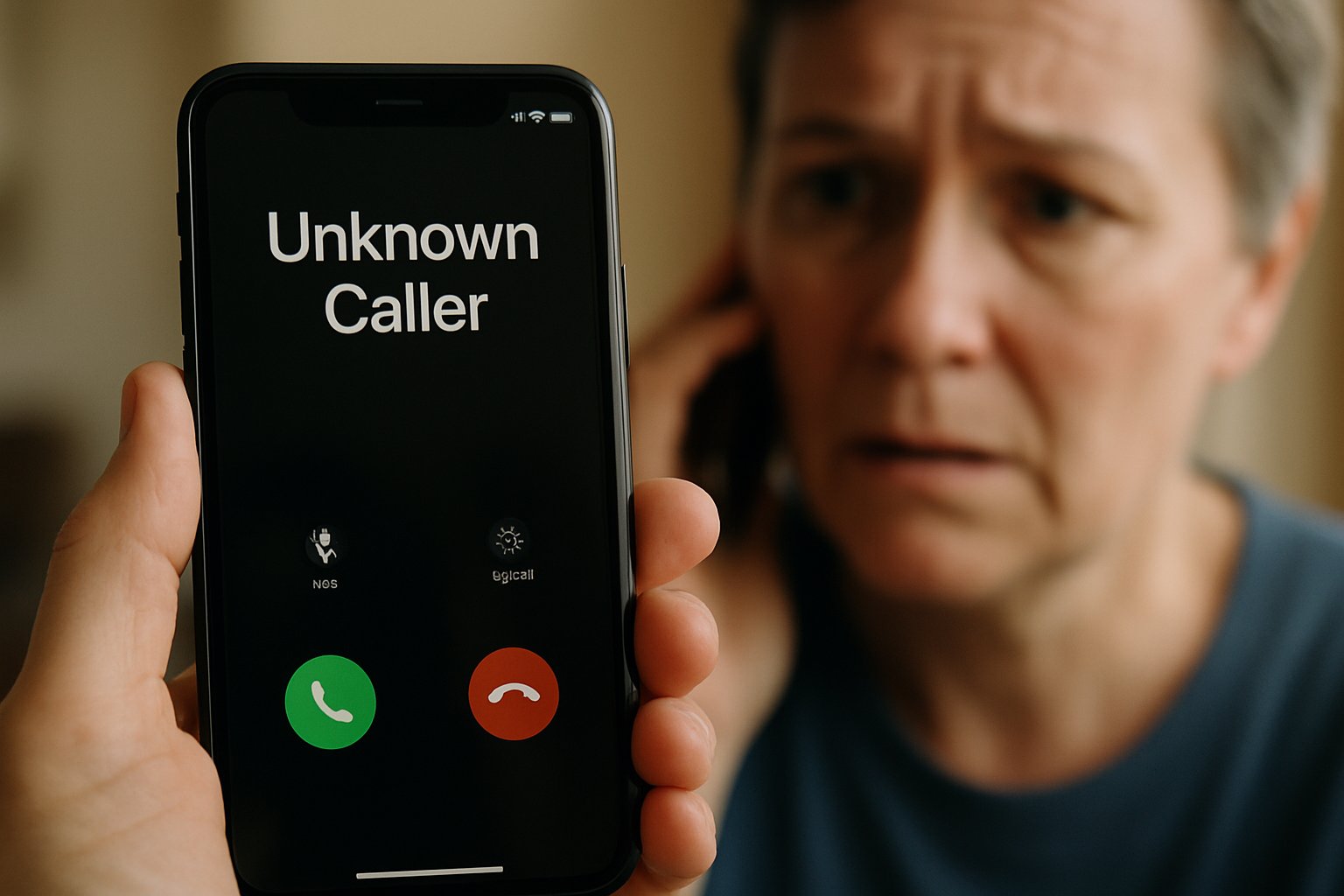
The classic grandparent scam dates back decades, yet recent calls sound unnervingly authentic. Moreover, Hiya’s March 2026 survey found one in four Americans experienced a deepfake voice call. Seniors reported the highest average losses, topping $1,298 per incident in the sample. In contrast, younger victims tended to disengage sooner and verify independently. Consequently, fraud rings concentrate resources on older adults using emotionally charged scripts. The tactic yields rapid payouts and minimal traceability when cryptocurrency couriers collect funds. Experts therefore classify deepfake vishing as the newest front in the broader Ransomware Fraud Wave. Grandparent scams now blend time-tested social engineering with AI precision. However, understanding the technology driving this pivot prepares stakeholders for effective countermeasures.
Deepfake Tools Empower Criminals
AI voice cloning requires surprisingly little source audio. Researchers show models generate convincing speech after only three seconds of recording. Furthermore, open-source toolkits automate training, conversion, and real-time synthesis. Criminal operators script calls that exploit urgency, often claiming arrest, accident, or ransom situations. Adversaries then deploy caller ID spoofing to mask international origins. Meanwhile, liveness detection engines lag because adversaries insert minor linguistic noises that lower detection accuracy. Consequently, the Ransomware Fraud Wave now includes automated vishing pipelines comparable to email phishing kits. Deepfake tools democratize advanced impersonation, reducing cost and raising scale. Therefore, any effective defense must anticipate continued innovation among illicit developers.
Staggering Impact On Seniors
Financial and emotional tolls hit older adults hardest, according to FBI IC3 reports. The 2024 elder-fraud tally reached almost $4.9 billion in reported losses. Moreover, authorities believe underreporting hides a larger sum. Hiya data shows seniors receive more unwanted calls per week than any other group. In contrast, younger consumers rely on messaging, reducing exposure to vishing. Key numbers illustrate the scope.
- 147,000 elder victims reported in 2024, per IC3.
- $4.9 billion estimated senior losses that year.
- $1,298 average loss per senior in Hiya sample.
- $21 million stolen by one Canadian call-center ring.
Experts link these outcomes to emotional leverage created by authentic-sounding voice impersonation. Consequently, public Safety campaigns now emphasize independent verification before funds move. These figures highlight urgent policy gaps. However, understanding impact metrics helps allocate limited enforcement budgets efficiently. Senior losses demonstrate how persuasive synthetic Voice technology can become. Next, we examine the ongoing arms race between defenders and attackers.
Detection Arms Race Intensifies
Security firms promote AI detectors that score incoming audio for synthetic traits. However, academic research reveals transcript-level attacks drop commercial accuracy to only 32 percent. Moreover, attackers continuously adapt to new classifier thresholds by testing calls in sandboxes. Carriers deploy STIR/SHAKEN to verify caller identity, yet that protocol cannot analyze audio content. Consequently, spoofed yet authenticated numbers still deliver synthetic speech to vulnerable subscribers. Meanwhile, consumer apps like Norton Mobile add deepfake warnings, but adoption remains modest. The Ransomware Fraud Wave therefore evolves faster than most defensive road-maps. Detector limitations make layered defenses essential. Consequently, stakeholders increasingly push for coordinated technical and legal remedies. Those combined efforts are reviewed next.
Industry And Policy Responses
Telecom carriers collaborate with analytics firms to flag suspicious traffic in near real time. Additionally, the FCC sanctions providers that facilitate illegal robocalls, leveraging hefty fines. Hiya integrates branded calling that verifies legitimate businesses, improving Safety without user intervention. Software vendors embed deepfake warnings and optional liveness tests inside customer support lines. Meanwhile, nonprofits like AARP deliver community workshops teaching low-tech verification habits. Prosecutors recently charged 25 Canadians, alleging a $21 million cross-border Crime spree. Such high-profile cases raise general deterrence and support the narrative that the Ransomware Fraud Wave can be prosecuted. Professionals can enhance expertise with the AI Government™ Certification, aligning skills with evolving compliance frameworks. Nevertheless, continuous training remains vital because attackers iterate quickly. Collective industry and policy actions shrink the threat surface incrementally. However, individuals still need practical steps for day-to-day protection. The next section outlines those measures.
Practical Mitigation Steps Today
Effective mitigation blends technology, processes, and communication. First, hang up suspicious calls and independently contact the relative using a known number. Furthermore, families should set a shared emergency code word. In contrast, sending money before verification amplifies loss probability. Additionally, consumers must refuse gift-card or cryptocurrency payment requests linked to unverified calls. Consequently, banks can sometimes freeze transfers before funds exit the system. Institutions should layer STIR/SHAKEN, AI audio checks, and human callbacks for high-risk transactions. Meanwhile, employees need regular drills to recognize Voice impersonation attempts. The following checklist summarizes immediate actions.
- Create a family verification code.
- Save official agency numbers in contacts.
- Report incidents to IC3 and FTC.
- Enable carrier robocall blocking features.
- Join community Safety seminars through AARP.
These habits build personal resilience against the expanding Ransomware Fraud Wave. Proactive behavior often defeats even sophisticated deepfake calls. Consequently, consistent practice converts advice into reflex. A brief recap follows.
Key Takeaways And Action
Deepfake vishing now stands beside ransomware campaigns as a dominant threat vector. Moreover, telecom investigators treat these calls as organized Crime deserving the same urgency as malware outbreaks. The wider Ransomware Fraud Wave continues to diversify, blending encryption attacks with persuasive cloned voices. Consequently, board-level Safety strategies must integrate impersonation awareness alongside backup and patch management. Failure to adapt leaves organizations exposed to the multiplying tactics driving the Ransomware Fraud Wave. Nevertheless, coordinated industry action shows the Ransomware Fraud Wave and associated Crime can be contained. Professionals should pursue ongoing training and certifications to outpace evolving impersonation methods. Explore the linked AI Government™ Certification to strengthen policy skills and help defeat the next Ransomware Fraud Wave.
Disclaimer: Some content may be AI-generated or assisted and is provided ‘as is’ for informational purposes only, without warranties of accuracy or completeness, and does not imply endorsement or affiliation.


