

AI CERTs
2 months ago
Voice Cloning Supercharges Social Engineering Attack Tactics
Voice cloning has left the laboratory and entered mainstream criminal toolkits. Con artists now deploy synthetic speech in coordinated phishing campaigns that span text, calls, and video. The FBI’s May 2025 advisory confirmed this trend and warned enterprises to strengthen verification workflows. However, many leaders still underestimate the scale of the emerging threat. Industry reports show a 442% half-year jump in vishing linked to generative AI. Meanwhile, one in four Americans reports receiving a deepfake voice call within twelve months. Major Banking hotlines have already fielded cloned executive requests for urgent transfers. Consequently, the classic Social Engineering Attack playbook has evolved into a faster, more convincing menace. This article unpacks how voice cloning fuels new attack patterns, financial losses, and strategic risk. Moreover, readers will gain actionable guidance on mitigation, policy updates, and professional upskilling opportunities. Each section ends with concise takeaways that bridge to the next topic for seamless flow. Therefore, decision makers can calibrate investments and defenses against the rapidly amplifying voice threat.
Deepfake Voice Threat Rise
Generative speech models require only seconds of audio to replicate a target’s tone. Furthermore, open-source toolkits automate cleanup, cloning, and telephony delivery in one interface. Consequently, criminals with minimal technical background can launch convincing calls at scale. Each automated Social Engineering Attack now reaches thousands of phones within minutes. CrowdStrike links the resulting surge to a 442% spike in vishing within six months. In contrast, earlier voice imitation schemes demanded studio time and substantial scripting skills. Now, fraud-as-a-service forums advertise turnkey voice deepfake packages beside classic phishing kits. Meanwhile, telecom analysts warn that network defenses lag behind attacker innovation. Hiya’s 2026 survey suggests scammers outpace operators two-to-one in successful call delivery. These market shifts illustrate a rapidly widening threat surface. However, understanding concrete incident numbers provides clearer context for risk prioritization. Voice cloning democratizes persuasive deception at unprecedented speed and volume. Subsequently, we examine fresh statistics quantifying the financial and societal damage. Cyber defenders struggle to update models as fast as open-source projects evolve.
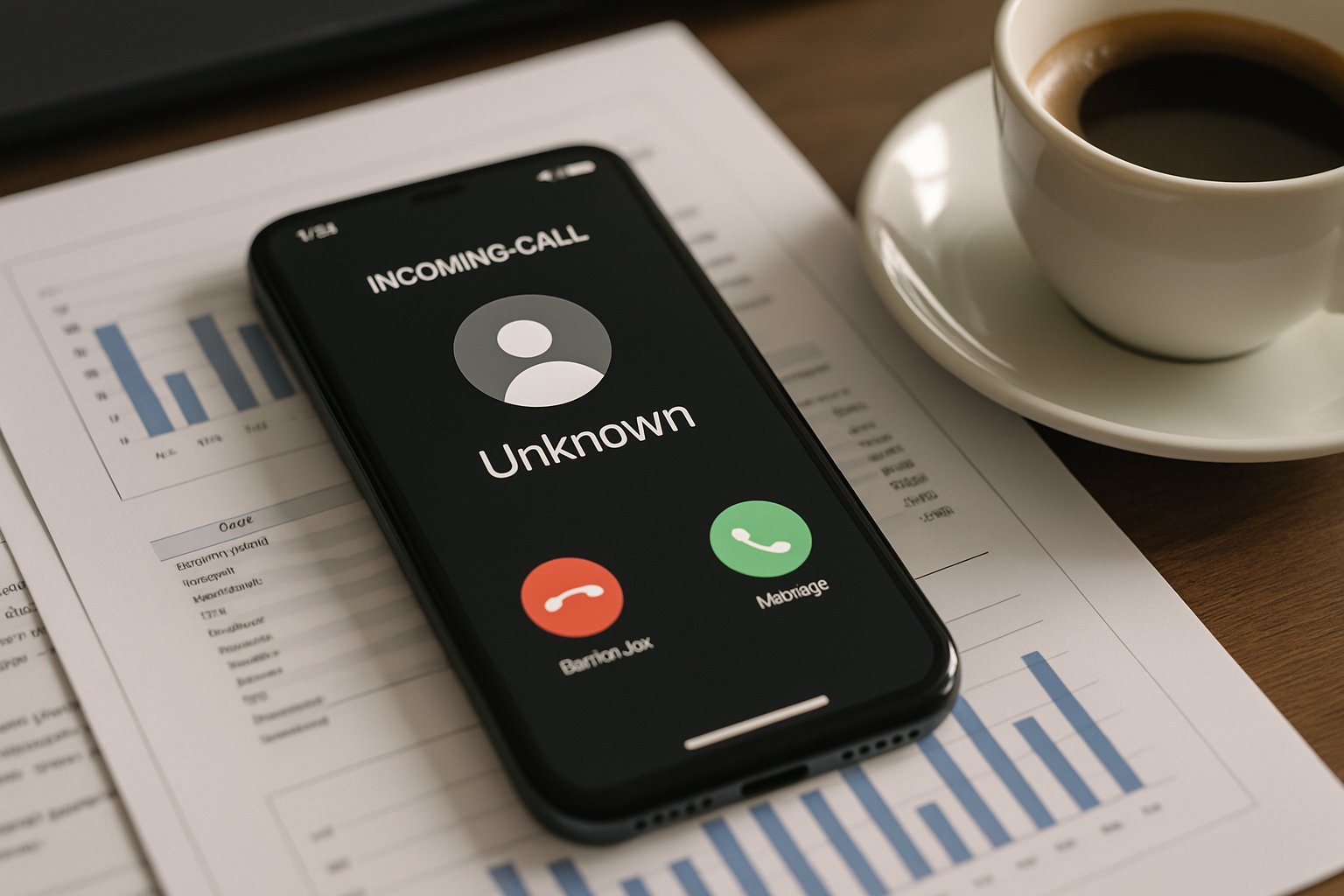
Recent Deepfake Incident Statistics
Reliable data still comes mostly from vendor telemetry and law-enforcement complaints. Nevertheless, multiple sources present a consistent upward curve. Key numbers illustrate scale across consumers, enterprises, and governments.
- 1 in 4 Americans received a deepfake voice call during 2025, according to Hiya.
- CrowdStrike recorded a 442% half-year rise in AI-driven vishing attempts across its customer base.
- Deloitte projects U.S. Fraud losses from synthetic media scams could hit $40 billion by 2027.
- IC3 received 11,000 Social Engineering Attack voice complaints during 2025, up threefold year-over-year.
Moreover, individual cases show dramatic per-incident costs. The Arup CEO deepfake triggered $25 million in unauthorized transfers during 2023. Banks later reported several seven-figure losses tied to cloned executive voices during 2024-2025. Consequently, auditors now raise red flags when workflows rely on verbal approvals alone. These figures carry limitations, because methodologies vary and sampling biases persist. Therefore, practitioners should treat single statistics as directional indicators, not absolute truth. The numbers still leave little doubt about escalating impact across sectors. Next, we dissect how attackers craft each Social Engineering Attack using modern voice models.
Attack Techniques Explained Clearly
Attackers follow a structured preparation pipeline. Initially, they harvest target audio from interviews, voicemail greetings, or short video clips. Subsequently, few-shot cloning models create high-fidelity replicas within minutes. Meanwhile, smishing messages warm the victim by establishing urgency or authority. The cloned voice then calls and directs the victim to malicious portals or wire instructions. Moreover, attackers increasingly chain video deepfakes with voice for conference calls. This multi-modal Social Engineering Attack bypasses email filtering and even traditional caller-ID checks. Voice biometrics also falter because anti-spoofing systems struggle against unseen synthesis techniques. Consequently, contact centers built around speaker verification alone face mounting compromise rates. Yet, every technique depends on exploiting human trust in real-time communication. These mechanics lead directly to enterprise exposure, which we assess next. Attack pipelines mix data collection, cloning, and synchronized outreach in efficient playbooks. Therefore, understanding enterprise risk drivers becomes essential for strategic defense.
Evolving Enterprise Risk Landscape
Financial, healthcare, and government verticals hold especially lucrative data and funds. Additionally, remote work culture increases reliance on voice channels for urgent approvals. A single Social Engineering Attack can pivot across Slack, phone, and payment systems before detection. In Banking operations, treasury teams may authorize multi-million transfers after brief calls. Consequently, cloned executive voices present existential financial exposure and reputational damage. Cyber insurers now review voice verification controls before underwriting policies. Moreover, compliance teams face tightened scrutiny from regulators demanding multi-factor confirmation for sensitive actions. Attack latency also shrinks because AI call scripts adapt dynamically during conversations.
Human Trust Challenge Gap
Humans judge authenticity by tone, pacing, and subconscious audio cues. However, advanced models replicate breathing and emotion, defeating intuitive detection. Consequently, staff may approve transfers even when trained on email phishing scenarios. Security awareness programs must therefore include live vishing simulations and escalation playbooks. Enterprise exposure stems from high asset value and lingering voice trust assumptions. Next, we explore practical defenses that reduce both human and technical vulnerabilities.
Mitigation Strategies Overview Today
Layered controls offer the best chance against cloned voice deception. Firstly, treat voice instructions as unverified until matched with out-of-band confirmation. Secondly, upgrade high-risk workflows to phishing-resistant authentication like FIDO hardware tokens. Furthermore, telecom operators should expedite STIR/SHAKEN enhancements and network AI call analysis. Hiya advocates branded calling plus synthetic voice detection embedded at carrier layers. Security teams within enterprises can supplement detection with behavioral analytics flagging unusual transfer patterns or caller context. Banking regulators now audit call-back procedures during examinations. Moreover, vishing simulations sharpen employee reflexes and reinforce escalation culture. Professionals can deepen technical skills through the AI Prompt Engineer™ certification. Such training clarifies generative model capabilities and defensive prompt techniques. Consequently, teams align security investments with realistic threat assumptions. A combination of policy, technology, and education disrupts attacker economics. However, sustained progress also requires supportive regulation and industry collaboration. Therefore, the following section surveys current legislative momentum.
Policy And Regulatory Moves
Regulators recognize deepfake calls as a public safety hazard. The FCC has already fined carriers enabling illegal AI robocalls. Furthermore, proposed bills would criminalize unauthorized voice replication with penalties matching identity theft statutes. Meanwhile, the FBI’s IC3 portal now includes explicit categories for AI voice incidents. Lawmakers cite the Social Engineering Attack surge when justifying stricter robocall fines. Cyber advocacy groups push for mandatory disclosure when synthetic content targets voters. In Banking supervision, regulators urge multi-factor confirmation for any telephonic payment instruction. Nevertheless, civil-liberties organizations caution against overbroad takedown rules that chill satire. Balancing innovation and protection therefore remains a legislative challenge. These policy debates will shape corporate compliance timetables. Subsequently, we conclude with key lessons and a call to action.
Voice cloning amplifies the classic Social Engineering Attack into a cross-channel deception engine. Statistical signals, high-profile losses, and regulatory concern all confirm accelerating risk. However, layered controls and rigorous verification can blunt attacker advantages. Moreover, continuous training sustains human vigilance against persuasive audio. Security leaders should integrate technical safeguards that anticipate every Social Engineering Attack and reinforce verification. Professionals wishing deeper expertise can pursue the linked certification and strengthen organizational resilience. Consequently, enterprises will convert uncertainty into prepared response and protect stakeholders. Act now to stay ahead of deepfake deception and safeguard every transaction.
Disclaimer: Some content may be AI-generated or assisted and is provided ‘as is’ for informational purposes only, without warranties of accuracy or completeness, and does not imply endorsement or affiliation.


