

AI CERTs
2 months ago
Algorithms, Agents and Market Volatility Risk Flash Points
Silver futures plunged 11% within minutes last December. Crypto markets saw similar spasms two months earlier. Such episodes spotlight Market Volatility Risk for every trading venue. However, many executives still underestimate algorithmic speed and cascading effects. This article unpacks the mechanics behind recent flash events and outlines defensive steps.
Readers will gain data, expert quotes, and regulatory context. Furthermore, we compare today’s dangers with the 2010 Flash Crash record. Stocks, futures, and crypto all reveal common triggers. Consequently, understanding Market Volatility Risk becomes essential for risk officers and boards. Moreover, data driven tools now expose hidden liquidity gaps before they detonate.
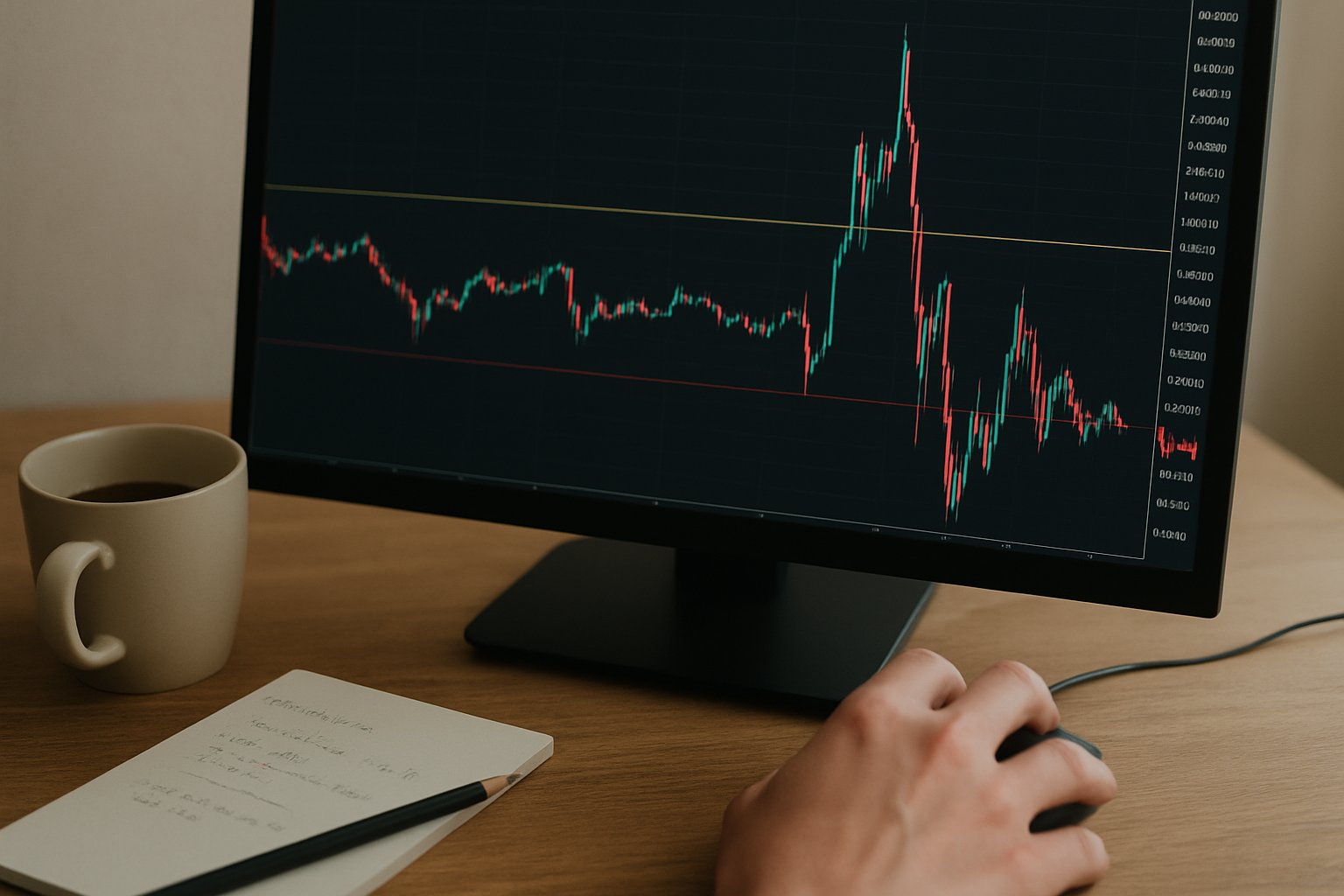
Algorithms Rapidly Reshape Liquidity
Execution algorithms split large orders into rapid slices across venues. Meanwhile, autonomous Agents react within microseconds to shifting quotes. High-Frequency firms often provide liquidity until inventory risk spikes. Consequently, quotes vanish and depth evaporates, leaving a fragile order book. The 2010 data show buy-side depth in E-Mini futures halved before prices collapsed.
Researchers link this thinning to algorithmic herding and strict position limits. Moreover, identical models embedded in Agents amplify one directional flows. Market Volatility Risk surfaces when even modest orders meet that thin depth. Finance desks must monitor real-time depth metrics rather than headline volumes. These observations clarify how speed and fragility intertwine.
Liquidity can disappear faster than dashboards refresh. However, historic lessons deepen that insight.
Historic Flash Crash Lessons
The May 6, 2010 Flash Crash remains the signature case study. A single sell algorithm dumped 75,000 E-Mini contracts worth $4.1 billion. In contrast, buy-side depth dropped by 55% almost instantly. Subsequently, more than 20,000 trades printed over 60% away from fair value. Stocks across 300 tickers echoed the futures spiral within seconds.
Kirilenko’s research shows HFT Agents intensified the decline after absorbing inventory. Therefore, regulators expanded circuit breakers and created the Limit Up-Limit Down regime. Market Volatility Risk is lower with pauses, yet not eliminated. Finance academics still debate HFT’s net contribution to stability. These lessons underscore that structure matters alongside speed.
Historical evidence ties algorithmic design directly to extreme price outcomes. Consequently, recent events merit the same forensic attention.
Recent Silver Futures Jolt
December 29, 2025 offered a fresh reminder. CME raised silver margins repeatedly during thin holiday trading. Consequently, forced liquidations smashed prices nearly 11% intraday. Order books briefly showed stub quotes only a few cents wide. Traders likened the episode to a mini Flash Crash in metals.
Market Volatility Risk surged because Agents mirrored each other’s de-risking algorithms. Moreover, some retail Stocks with high silver exposure also dipped on headlines. Finance teams lacking real-time margin alerts were blindsided. These facts highlight the power of policy shocks. However, crypto markets faced similar trouble weeks earlier.
Margin policy can trigger chain reactions across asset classes. Therefore, cross-venue vigilance becomes vital.
Crypto Outages Amplify Turmoil
October 2025 saw Binance and peers suffer outages during sharp price drops. Subsequently, index oracles pulled distressed prints into leveraged liquidation engines. Traders watched positions vanish because protective orders simply never reached matching engines. In contrast, off-exchange synthetics priced normally, exposing fragmentation. The incident echoed Flash Crash mechanics yet unfolded around digital tokens.
Market Volatility Risk again spiked as spread widening met synchronized selling. Moreover, liquidity providers paused after feeds turned unreliable. Stocks linked to blockchain firms fell in sympathy, though modestly. Finance regulators now demand crypto venues publish detailed incident reports. These demands push transparency toward traditional standards.
Technical failures can cascade through interconnected markets. Nevertheless, policy makers still worry about emerging AI dynamics.
Regulators Eye AI Herding
SEC Chair Gary Gensler warns of model commonality across advanced Agents. Consequently, identical signals could steer billions simultaneously, making shocks unavoidable. Supervisors cite Market Volatility Risk as a financial-stability priority for 2026. Furthermore, global Finance watchdogs support consolidated audit trails for real-time surveillance. Circuit breakers, margin calls, and kill switches remain core safeguards.
Nevertheless, gaps persist in crypto disclosures and commodity margin governance. In contrast, equity venues improved pause logic after the 2010 Flash Crash. Market Volatility Risk will likely migrate toward any weaker link. Therefore, firms must audit agent code for unintended feedback loops. These audits demand multidisciplinary expertise.
Regulators set the tone, yet execution falls on industry teams. Consequently, new tools and training are gaining focus.
Mitigation Tools And Gaps
Risk dashboards now ingest millisecond depth data and stress indicators. Additionally, machine learning flags liquidity evaporation patterns before they trigger sales. Stop logic and adaptive pacing already cut message rates during spikes. However, many legacy systems cannot act on those alerts automatically. Market Volatility Risk worsens when alarms lack authority to pause flows.
Experts recommend four immediate steps:
- Integrate exchange margin advisories into real-time analytics.
- Test kill-switches against simulated Flash Crash order storms.
- Share audit logs with regulators within minutes.
- Enroll staff in emerging risk certifications.
Professionals can enhance competence with the AI Ethical Hacker™ credential. Moreover, such training sharpens code reviews for malicious or looping Agents.
Tooling reduces incident scale when correctly paired with authority and skill. Subsequently, firms should invest in people as well as platforms.
Skills For Risk Teams
Quant analysts must understand microstructure, margin policy, and data pipeline resilience. Furthermore, compliance officers translate technical findings into board level language. Cyber specialists guard API keys that trading bots use for order routing. Market Volatility Risk knowledge now appears in many hiring briefs. Consequently, certifications like the linked program accelerate career progression.
Stocks and crypto command shared analytic frameworks, easing cross-asset oversight. Finance leaders should promote tabletop exercises mimicking real flash events. These drills reveal hidden dependency chains and recovery gaps.
Skills bridge strategy, technology, and regulation. Therefore, workforce investment underpins every other safeguard.
Algorithmic trade will continue scaling speed and complexity. Nevertheless, recent episodes show fragility remains a constant companion. Cross-asset shocks, from metals to crypto, travel through shared infrastructure instantly. Consequently, broad awareness of this risk empowers leaders to demand better tooling. Regulators, exchanges, and firms each control vital layers of the defense stack. Furthermore, integrated dashboards, circuit breakers, and practiced teams can blunt sudden spikes. Readers should explore the AI Ethical Hacker™ certification to deepen technical vigilance. Take action now, before the next microsecond shock tests your resilience.
Disclaimer: Some content may be AI-generated or assisted and is provided ‘as is’ for informational purposes only, without warranties of accuracy or completeness, and does not imply endorsement or affiliation.


