

AI CERTS
2 months ago
Deepfakes Elevate Corporate Data Risk in 2026 Thales Report
The finding reframes Corporate Data Risk for every industry. Enterprises must understand why the threat escalated so rapidly. Additionally, they need clear controls that scale with generative tools. This article unpacks the Thales data, regional patterns, and competing surveys. We also examine detection advances, budget realities, and policy signals. Meanwhile, practical guidance helps leaders close gaps before attackers strike. Stay with us for a concise yet comprehensive technical briefing.
Evolving Deepfake Threat Landscape
Thales partnered with S&P Global to survey 3,000 executives across 18 countries. Results show deepfakes now rank above ransomware in perceived impact. Furthermore, 48% reported reputational damage from AI-generated impersonation. In contrast, only 32% cited similar damage last year, indicating explosive growth. TechRadar and Fortune echoed the concern, citing parallel vendor studies. Consequently, auditors now treat synthetic media as a distinct control domain.
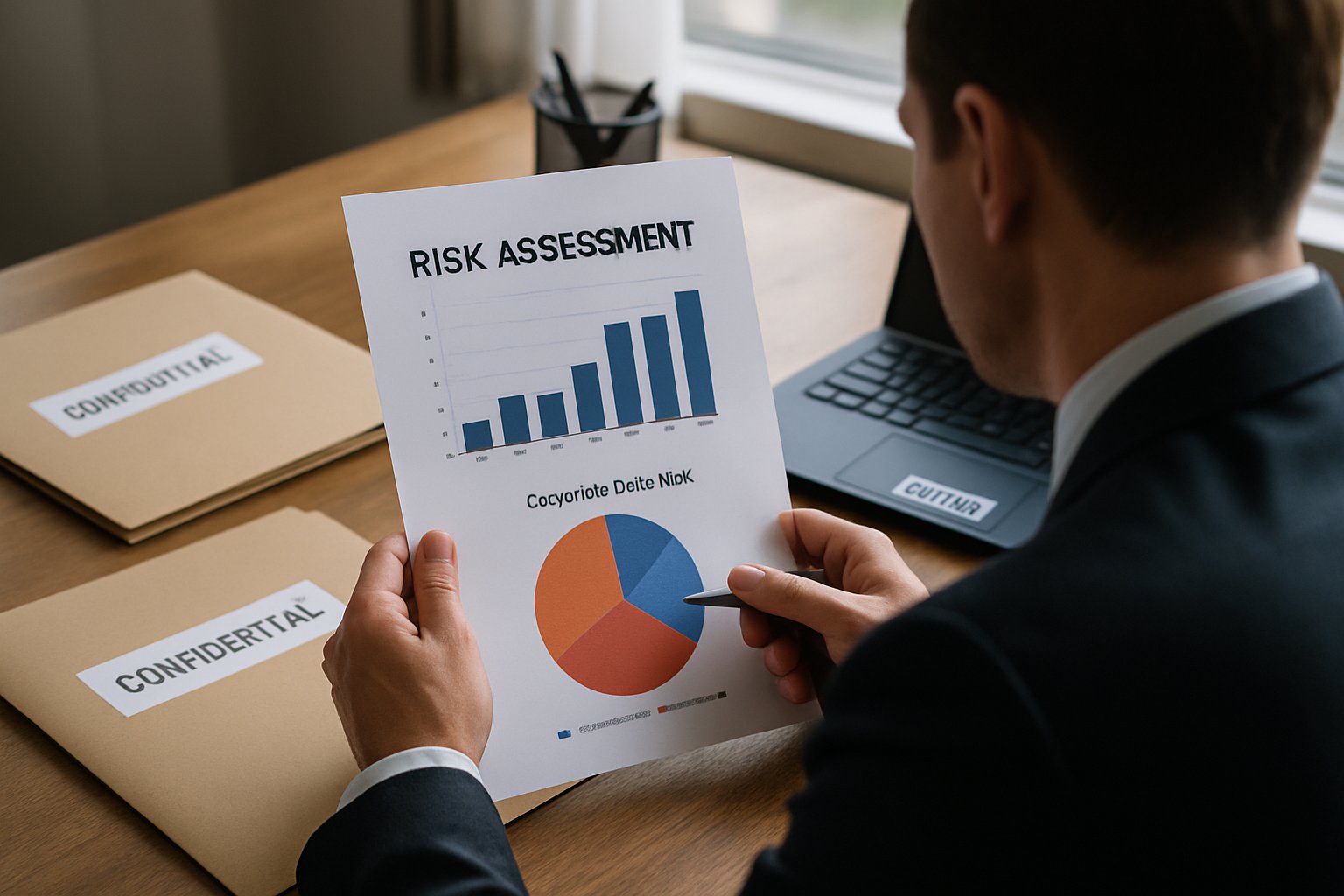
Deepfake incidents redefine Corporate Data Risk by merging social engineering with automation. Survey evidence suggests the trajectory will steepen without countermeasures. Therefore, we next explore how AI functions as an insider threat.
AI As Insider Risk
Thales coins the label “AI-as-insider” to describe autonomous agents with privileged access. These systems process emails, draft code, and move sensitive records at machine speed. Moreover, attackers hijack tokens, letting malicious models traverse networks unseen. Credential theft leads the attack techniques list at 67% of respondents. Consequently, Identity governance becomes the primary defensive layer. Traditional Security tools built for human insiders miss automated exfiltration patterns. Corporate Data Risk grows when machines operate faster than monitoring workflows.
AI insiders blur the boundary between external adversary and trusted process. Nevertheless, clearer data mapping can constrain their reach. Next, we examine gaps in data visibility that worsen the challenge.
Data Visibility Gaps Exposed
Only 34% of surveyed organizations know exactly where all data resides. Furthermore, just 39% can fully classify that information. Meanwhile, 47% of sensitive cloud data remains unencrypted, widening every Vulnerability. These gaps create fertile ground for deepfake driven exfiltration and extortion. Legacy inventory spreadsheets cannot keep pace with ephemeral cloud objects.
- Unmapped data silos delay incident response.
- Misclassified assets hinder automated Security policies.
- Unencrypted stores raise Compliance and Vulnerability exposure.
Consequently, regulators question board oversight when inventories prove outdated. Corporate Data Risk escalates whenever attackers exploit invisible datasets.
Poor visibility multiplies both probability and blast radius of compromise. Therefore, Identity controls must compensate until mapping improves. We now explore why Identity defenses matter more than ever.
Identity Controls Become Vital
Identity and access management defines who or what touches each resource. Moreover, machine identities now outnumber human credentials inside many enterprises. Thales urges secret rotation, token scoping, and continuous behavioral analytics. Vendors such as Imperva integrate liveness checks to counter voice deepfakes. In contrast, some firms still rely on shared admin passwords. That practice creates a single point of Vulnerability for lateral movement. Effective Identity hygiene narrows the window for compromise and data manipulation. Corporate Data Risk diminishes when every credential is governed in real time.
Strong identity governance disrupts attacker playbooks that depend on stealth. Nevertheless, controls cost money and compete with other priorities. The next section addresses investment trends revealed by the survey.
Investment And Budget Realities
Thales found only 30% of organizations fund dedicated AI Security programs. Additionally, 53% still rely on legacy budgets created for traditional Cybersecurity. Budget lag creates a widening Vulnerability window as adoption accelerates. Analysts warn that delayed spending pushes remediation costs higher later. Moreover, regional splits show India allocating proportionally more resources. Corporate Data Risk cannot shrink without sustained financial commitment. Financial leaders often underestimate the brand damage from synthetic media.
Misaligned budgets weaken defensive depth despite rising awareness. Consequently, boards must revisit risk appetite and funding models. We now review practical mitigation tactics and relevant credentials.
Mitigation Strategies And Certifications
Comprehensive defense begins with layered Security across data, Identity, and workload planes. Organizations deploy deepfake detection, watermark verification, and biometric liveness tests. Furthermore, continuous encryption protects content even after perimeter breaches. Teams should practice incident drills that mirror deepfake spear-phishing scenarios. For legal resilience, professionals can validate skills through the AI Legal Specialist™ certification. Moreover, cross-functional playbooks align Legal, Cybersecurity, and Communications teams. Corporate Data Risk reduces when stakeholders share clear escalation paths. Such Corporate Data Risk also falls if controls are audited quarterly. Nevertheless, defenses must evolve alongside generative model improvements.
Multi-layered mitigation converts chaotic reactions into disciplined response. Therefore, enterprises gain confidence to innovate with AI securely. The following outlook section contextualizes future threat trajectories.
Forward Outlook For 2026
Analysts expect deepfake quality to improve and tool access costs to drop. Consequently, attack automation will accelerate across phishing, fraud, and misinformation campaigns. NIST and DARPA invest in provenance research, yet detection remains imperfect. Trend Micro forecasts “malicious digital twins” targeting executive authentication flows. Additionally, Ironscales data suggests incident rates may surpass current Thales numbers. Boards that maintain proactive Cybersecurity budgets will outperform reactive peers. Corporate Data Risk will become a standing agenda item in quarterly filings.
Future trends indicate sustained adversary innovation. Nevertheless, strategic investment promises measurable risk reduction. We conclude by recapping key insights and actionable next steps.
Thales’ findings underscore an urgent pivot toward AI-focused defenses. Deepfake attacks already hurt revenue, reputation, and trust. Moreover, limited data visibility magnifies each breach. Identity governance and encryption emerge as immediate priorities. Additionally, budgets must match the scale of generative adoption. Professionals should pursue advanced credentials to navigate evolving regulations. Consequently, leaders who act now strengthen Corporate Data Risk postures before adversaries adapt. Explore the linked certification and build resilient strategies today.
Disclaimer: Some content may be AI-generated or assisted and is provided ‘as is’ for informational purposes only, without warranties of accuracy or completeness, and does not imply endorsement or affiliation.


