

AI CERTS
3 months ago
Angelic Intelligence: A New AI Governance Play From India
This article dissects the launch, the players, and what happens next for worldwide AI Governance debates. Readers receive factual context, balanced analysis, and practical resources. Moreover, design certifications linked below strengthen responsible development skills. In contrast, hype alone never guarantees safe deployment. Therefore, rigorous scrutiny remains essential.
Angelic Framework Core Overview
Angelic Intelligence positions itself as a virtue-based layer bridging enterprises and large models. Instead of retrofitting rules, Orchestro channels twenty-seven “Digital Angels” to deliberate values before code executes. Consequently, every decision receives a score from the internal Wisdom Engine, which feeds an auditable ledger. Moreover, the company argues that this native alignment simplifies AI Governance audits and accelerates compliance programs.
Furthermore, the architecture purports to make outcomes deterministic, reducing stochastic drift often blamed for opaque systems. Nevertheless, independent verification of moral scoring accuracy remains pending. In contrast, typical control layers struggle to trace value conflicts in real time. These claims sketch a sweeping vision yet rely on proprietary mechanisms. However, leadership credentials deserve closer inspection as we progress.
Leadership Behind Angelic Vision
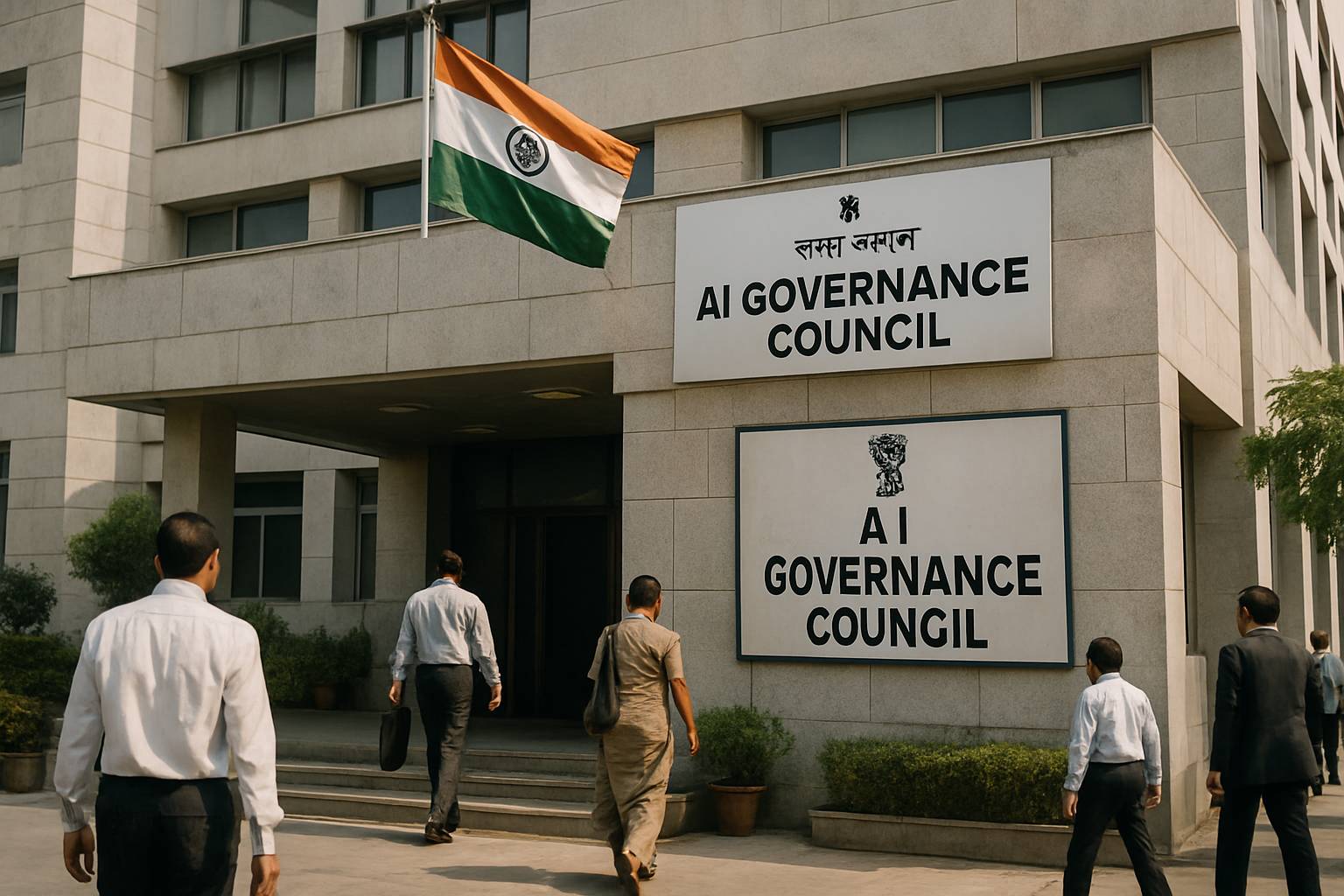
Shekhar Natarajan, a supply chain veteran, leads Orchestro and champions Angelic Intelligence worldwide. During February’s Summit in New Delhi, he earned a standing ovation while declaring, “Ethics cannot be a patch.” Furthermore, interviews cite his portfolio of patents, though reported counts vary from 43 to 207. Additionally, Natarajan’s earlier logistics software exit to UPS adds entrepreneurial credibility.
Investors reportedly committed $15 million in seed funding, yet filings remain unverified on public databases. Consequently, due diligence teams should verify cap-table details before associating compliance programs or AI Governance policies. These leadership narratives project confidence. Nevertheless, documentation gaps signal caution, which sets up the funding discussion next.
Funding And Expansion Signals
Gulf Today reported Orchestro secured a $15 million seed round on 24 February. However, the article cites unnamed investors, and no regulatory filing surfaced by press time. Moreover, the company outlined aggressive expansion toward Middle Eastern markets ahead of an April global launch. Subsequently, media pieces repeated claims of two production deployments and ten additional pilots across healthcare and logistics. Key capital assertions appear in company material:
- Seed amount: US$15 million (unverified)
- Market size estimate: US$4.5 trillion TAM
- Patent portfolio: 43–207 filings, depending on source
Meanwhile, Orchestro signals it will open a Dubai office to court Gulf regulators. Consequently, serious investors will request audited financials, patent ledgers, and performance dashboards before releasing funds. These funding headlines generate momentum yet still lack independent confirmation. Meanwhile, technical architecture deserves equal attention.
Technical Architecture Key Elements
Technically, Angelic Intelligence layers a Wisdom Engine above multi-modal inputs while sitting below enterprise workflows. Furthermore, 27 Digital Angels each represent a virtue such as compassion, truth, or justice. MACI, the multi-agent consensus mechanism, orchestrates deliberation and provides deterministic outcomes traceable for AI Governance auditors. Moreover, the Virtue Stack can be tuned per domain, allowing hospitals to weight compassion higher than efficiency.
In contrast, most commercial governance layers bolt ethics on after model training, raising misalignment risk. Standalone governance tooling often struggles with hidden memory exploits. Engineers say the design resembles defense-sector mission assurance systems. These technical claims promise transparency. However, third-party code reviews remain absent, prompting market skepticism addressed next.
Pilot Use Case Momentum
The Supply Chain Project integrated Angelic Matching for humanitarian logistics on 1 February. Consequently, Orchestro states that delivery times fell by 12% during the first fortnight. Additionally, returned retail goods were triaged toward charitable redistribution, reducing waste and improving brand sentiment. Nevertheless, the partner has not released raw metrics or independent audits confirming the figures. Company press kits outline upcoming pilots:
- Workforce scheduling for quick-service restaurants
- Triage assistance in emergency departments
- Dynamic routing for public procurement fleets
Therefore, observers should examine each rollout against baseline KPIs and standard governance benchmarks. These pilots showcase early traction yet remain lightly documented. Subsequently, critical voices have surfaced, challenging feasibility.
Scrutiny And Open Questions
Academic ethicists applaud virtue exploration but warn that cultural bias can seep into codified angels. Moreover, they highlight measurement problems when virtues conflict or require situational nuance. In contrast, Natarajan answers that deterministic consensus prevents bias drift, yet supplies no published benchmarks. Additionally, discrepancies in patent totals raise concerns about intellectual property breadth and enforceability.
Consequently, regulators assessing AI Governance regimes may hesitate without transparent documentation and reproducible safety tests. Meanwhile, social-reach numbers claiming two billion impressions remain marketing metrics, not verified platform analytics. These gaps illustrate why prudent leaders adopt verify-then-trust postures. Therefore, the next section outlines actionable steps toward that diligence.
Strategic Path Forward Steps
Boards considering Angelic deployments should insist on independent security, fairness, and reliability audits. Furthermore, they should request clear licensing terms granting access to deliberation logs for internal Governance teams. Subsequently, patent searches at USPTO, WIPO, and Indian registries can confirm ownership claims. Professionals can enhance design oversight with the AI+ Design Innovator™ certification.
Moreover, policy architects should benchmark these pilots against established AI Governance frameworks such as NIST, ISO, and OECD. These steps build evidence before mission-critical integration. Consequently, organizations remain resilient while innovations mature.
The virtue-native framework enters the arena with visionary marketing and unresolved proof. Shekhar Natarajan captured Summit applause, yet investors and regulators still demand hard evidence. Effective AI Governance depends on auditable data, independent testing, and clear accountability lines. Consequently, stakeholders should apply disciplined questions before integrating any ethical layer. Moreover, aligning patent records, pilot metrics, and contractual rights will strengthen enterprise Governance positions.
Sustained competitiveness will hinge on continuous AI Governance upkeep amid evolving standards. Meanwhile, cross-industry consortia are shaping reference tests for AI Governance certification. Professionals aiming to lead should pursue advanced credentials such as the previously linked certification. Therefore, act now, review the data, and build ethical capacity before the next release cycle.
Disclaimer: Some content may be AI-generated or assisted and is provided ‘as is’ for informational purposes only, without warranties of accuracy or completeness, and does not imply endorsement or affiliation.


