

AI CERTs
4 months ago
FDA clears Parkinson’s drug: AI Drug Discovery milestone
Insilico Medicine has secured a headline-grabbing authorization. The U.S. Food and Drug Administration cleared ISM8969 for first-in-human testing. Consequently, the announcement provides fresh validation for AI Drug Discovery, which promises faster, cheaper molecule generation. However, seasoned developers know that regulatory green lights begin, not finish, the journey. Moreover, Parkinson’s disease still lacks a proven disease-modifying treatment. Investors, clinicians, and patients will therefore watch this study closely.
Approximately one million Americans live with Parkinson’s today. Furthermore, prevalence could hit 1.2 million by 2030. Direct and indirect U.S. costs hover near $50 billion each year. Therefore, novel approaches that slow progression could shift clinical and economic trajectories dramatically. AI Drug Discovery now steps into that high-stakes arena.
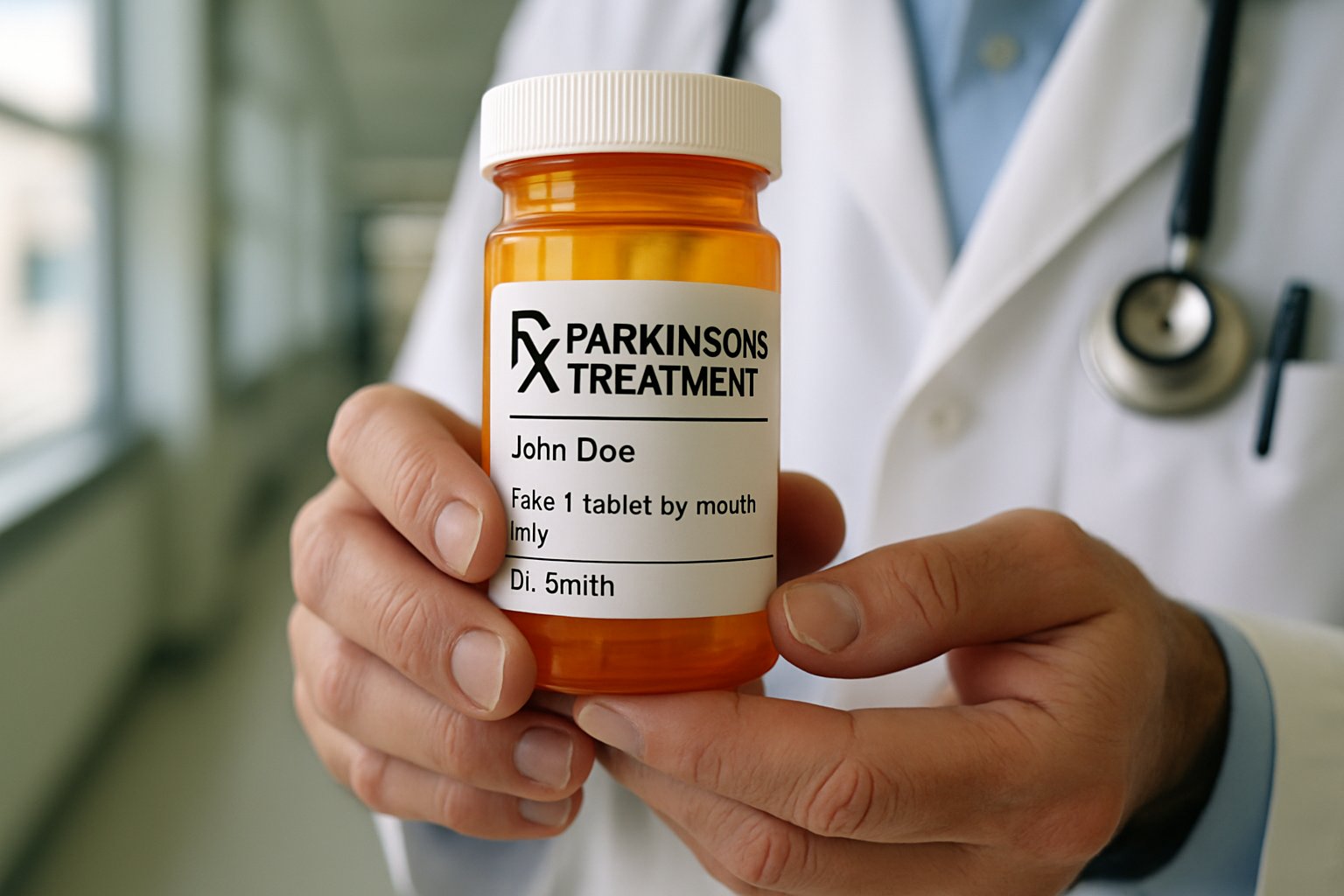
Regulatory Milestone In Focus
The Investigational New Drug clearance permits a Phase I safety study in healthy volunteers. Additionally, researchers will collect pharmacokinetic data and select Phase II doses. MarketScreener confirmed the news through a Reuters wire, providing independent verification beyond company statements.
Meanwhile, Hygtia Therapeutics joined Insilico in a 50-50 co-development partnership two days earlier. The timing underscores strategic coordination aimed at accelerating the upcoming Parkinson's Trial portfolio. Nevertheless, FDA approval for marketing remains many years away.
Key points emerge:
- ISM8969 targets the NLRP3 inflammasome, implicated in chronic neuroinflammation.
- The compound is orally available and brain-penetrant, simplifying patient adherence.
- IND clearance allows U.S. dosing to begin after institutional review board approvals.
These facts frame the immediate opportunity. In contrast, they also highlight considerable downstream hurdles.
Consequently, observers should track trial registration numbers and subsequent safety readouts.
NLRP3 Target Scientific Rationale
Preclinical literature links NLRP3 activation to dopaminergic neuron loss. Moreover, systematic reviews of animal models report motor improvements when the pathway is blocked. NodThera’s NT-0796 demonstrated cerebrospinal biomarker reductions in a recent Parkinson's Trial, strengthening translational assumptions.
Nevertheless, human genetics offer mixed signals. One 2024 npj Parkinson’s Disease analysis found no decisive causal link between NLRP3 variants and disease progression. Therefore, clinical efficacy remains uncertain despite mechanistic plausibility.
Consequently, Phase I biomarker collection will matter. Researchers may explore IL-1β, IL-18, and microglial activation markers to establish target engagement.
These considerations justify excitement while urging caution. Subsequently, drug developers must confirm that mechanistic wins translate into functional outcomes.
Preclinical Evidence Overview
Rodent models treated with ISM8969 reportedly showed dose-dependent motor recovery. Furthermore, brain concentrations exceeded plasma levels, confirming tissue penetration. However, independent peer review of those data remains pending.
Therefore, continued transparency will be critical for maintaining investor confidence and ethical oversight.
AI Platform Chemistry42 Insights
Insilico’s Chemistry42 platform generated and optimized ISM8969. Additionally, generative algorithms evaluated potency, ADME profiles, and blood-brain barrier permeability simultaneously. Consequently, Insilico claims discovery timelines under 18 months, compared with traditional multi-year cycles.
AI Drug Discovery proponents highlight three performance levers:
- Rapid virtual exploration of billions of chemical structures.
- Automated prediction of on-target and off-target liabilities.
- Iterative optimization using reinforcement learning feedback loops.
Moreover, the approach minimized synthesis runs, cutting early costs dramatically. During the upcoming Parkinson's Trial, investigators will test whether those computational gains manifest in real-world safety advantages.
Professionals can enhance their expertise with the AI Design Professional™ certification. Nevertheless, algorithmic speed cannot overcome biological complexity alone.
These platform strengths show clear promise. However, subsequent clinical data will ultimately determine commercial success.
Generative AI Track Record
Exscientia’s DSP-1181 entered trials in 2020, marking the first documented fully AI-designed molecule. Furthermore, multiple oncology and fibrosis candidates followed from various startups. Consequently, investors now expect tangible proof of accelerated timelines combined with clinical wins.
In contrast, none of the early entrants has yet reached Phase III. Therefore, ISM8969 offers an additional data point instead of definitive validation.
Competitive Landscape Snapshot Today
The NLRP3 race includes NodThera, Ventyx, and several stealth programs. Moreover, Big Pharma companies are screening inflammasome modulators for neurodegenerative pipelines. Each contender hopes to dominate an eventual Parkinson's Trial in symptomatic or pre-symptomatic populations.
Consequently, first-mover advantage could yield scientific mindshare and partnering leverage. However, crowded spaces often accelerate comparative scrutiny from regulators and payers.
These dynamics intensify pressure on trial design. Meanwhile, biomarker-guided dose selection may shorten development paths.
Therefore, clear differentiation around brain penetration, selectivity, and safety will matter.
Potential Partnership Pathways
Hygtia adds global development bandwidth and commercial reach. Additionally, co-development mitigates financing risk for each party. Nevertheless, shared ownership complicates governance if study results diverge from expectations.
Consequently, transparent milestone triggers and decision frameworks become essential contractual tools.
Key Development Risks Ahead
Historical attrition rates remain sobering. More than 85 percent of preclinical candidates fail clinically. Moreover, neurodegeneration carries additional translational challenges around long trial durations and subjective outcomes.
Primary safety issues could include systemic immune suppression because NLRP3 functions in host defense. Additionally, off-target CNS effects warrant careful neurocognitive monitoring during the initial Parkinson's Trial.
Regulatory uncertainties also persist. The FDA may request adaptive designs, enriched biomarker endpoints, or longer safety follow-up before advancing.
These risks underscore the need for rigorous design. Consequently, sponsors must budget contingency resources and maintain candid communication.
Managing AI Hype Cycle
Market enthusiasm surrounding AI Drug Discovery sometimes eclipses pragmatic assessments. Nevertheless, investors should note that algorithms do not reduce biological unknowns. Furthermore, negative data could trigger abrupt valuation corrections.
Therefore, measured optimism will serve stakeholders better than uninformed exuberance.
Market Impact Projections Ahead
If ISM8969 proves safe and effective, analysts foresee blockbuster potential. Moreover, disease-modifying therapies could shift treatment paradigms away from dopaminergic symptom control. Consequently, payers might accept premium pricing if long-term disability declines.
Economic models suggest even a 10 percent delay in progression would save billions annually. Additionally, oral administration simplifies distribution, supporting broad patient access.
In contrast, failure could dampen enthusiasm for inflammasome strategies and slow AI Drug Discovery funding. Therefore, early biomarker signals will carry outsized influence on market sentiment.
These projections illustrate high reward tempered by real risk. Subsequently, vigilant monitoring of interim reports will be crucial.
Key Strategic Takeaways Summary
The FDA’s green light validates Insilico’s regulatory preparedness. Additionally, NLRP3 remains a biologically attractive but unproven target. AI Drug Discovery delivered ISM8969 quickly; however, traditional development disciplines still govern ultimate outcomes.
Red-hot competition and substantial economic burden create urgency. Moreover, the upcoming Parkinson's Trial will inform not only this molecule but the broader AI paradigm.
Consequently, stakeholders should track trial registration, safety readouts, and biomarker data over the next 18 months.
These strategic points synthesize opportunity and caution. Meanwhile, professionals can upskill through targeted certifications to position for forthcoming industry shifts.
Action Items For Readers
• Follow ClinicalTrials.gov for ISM8969’s NCT number and protocol updates.
• Review upcoming conference abstracts for NLRP3 biomarker data.
• Explore AI Design Professional™ coursework to deepen algorithmic understanding.
Therefore, proactive learning will help stakeholders interpret fast-moving developments effectively.
Conclusion
Insilico’s IND clearance represents a pivotal AI Drug Discovery inflection point. Moreover, the forthcoming Parkinson's Trial could either validate inflammasome inhibition or expose translational gaps. Nevertheless, rapid candidate generation, strategic alliances, and large unmet needs sustain optimism. Consequently, industry professionals should monitor early human data while refining their skill sets through specialized certifications. Act now to stay ahead of the neurodegeneration innovation curve.
Disclaimer: Some content may be AI-generated or assisted and is provided ‘as is’ for informational purposes only, without warranties of accuracy or completeness, and does not imply endorsement or affiliation.


