

AI CERTs
4 months ago
DoorDash Exposes Automated Trust Enforcement Systems Limits
A single fake delivery photo jolted the tech world in late December 2025. DoorDash confirmed that the image was forged using generative AI tools. Consequently, the firm banned the Dasher, refunded the customer, and faced renewed scrutiny. The scandal exposes cracks in automated trust enforcement systems that underpin high-volume delivery platforms. Moreover, experts warn that computer vision abuse now scales faster than existing defenses. Meanwhile, policymakers debate stronger gig platform governance to restore public confidence. This article dissects the incident and maps a roadmap for resilience. Readers will gain data, strategies, and certification resources to harden their operations. Consequently, insurers and investors began questioning the scalability of current controls. In contrast, security vendors framed the moment as a wake-up call for broader industries. Therefore, understanding the systemic fragility becomes vital for any platform handling physical or digital deliveries.
Incident Recap Timeline
On December 27, 2025, Austin resident Byrne Hobart posted a puzzling delivery image on X. The photo showed a perfect pizza box floating against an impossible background. Therefore, observers quickly suspected synthetic generation. DoorDash investigated within hours and deactivated the driver account. Subsequently, TechCrunch confirmed the takedown and refund on January 4, 2026. Earlier prosecutions from 2024 showed insider credential abuse siphoning $2.5 million using similar loopholes.
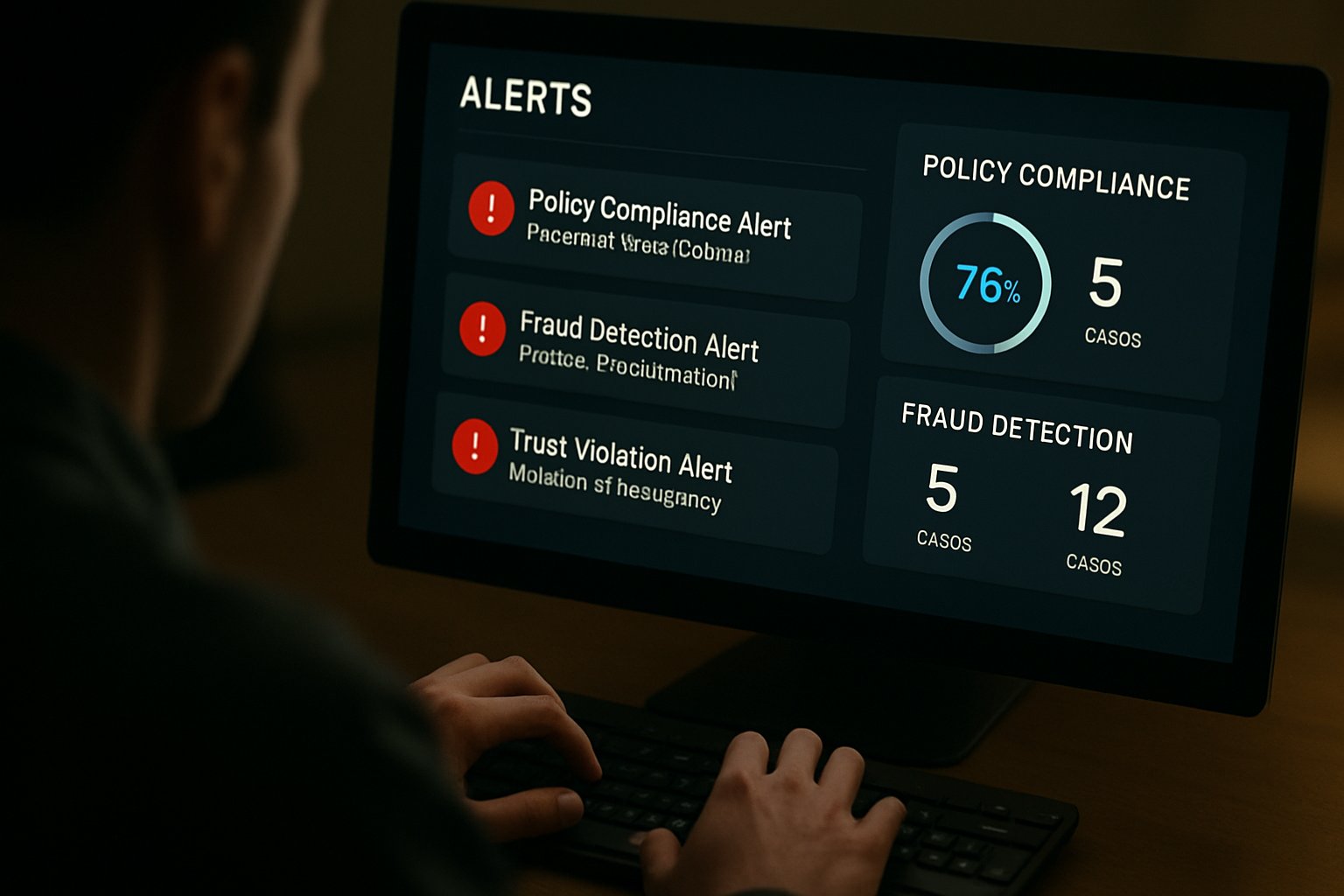
These events reveal iterative escalation between fraudsters and automated trust enforcement systems. In contrast, every response seems reactive rather than preventative. Consequently, operational costs rise while public patience thins. That tension sets the stage for the wider discussion below.
The timeline underscores how quickly synthetic media can pierce current controls. Nevertheless, understanding the platform scale explains why each breach matters. Let us examine that scale next.
Scale Drives Platform Fragility
DoorDash processed 732 million orders in Q1 2025 alone. Moreover, subsequent quarters climbed to 776 million deliveries. Each interaction triggers multiple backend verification checkpoints. Therefore, minor defect rates can translate into thousands of failures daily. Automated trust enforcement systems were deployed to tame that volume.
Automation became inevitable because human reviewers cannot handle that firehose. However, the same automation amplifies mistakes when inputs are spoofed. Fraud schemes scale linearly with orders, yet remediation costs scale superlinearly. Consequently, investors watch incident tallies as closely as revenue metrics. Computer vision abuse rises proportionally, targeting photo proof workflows.
- Q1 2025: 732 million orders processed.
- Q2 2025: 761 million orders recorded.
- Q3 2025: 776 million orders delivered.
- Average daily orders exceeded eight million worldwide.
- Each order stores at least one photo record.
Moreover, each fraudulent refund erodes margins that already hover around single digits. Consequently, investors reward platforms that minimize leakage through precise controls.
The numbers confirm a vast attack surface that rewards persistent adversaries. In contrast, brittle safeguards cannot scale equally. Next, we explore those brittle points.
Common Automation Failure Modes
Researchers catalog three dominant attack vectors against photo verification. Firstly, generative AI builds believable images that bypass naive classifiers. Secondly, account takeovers let attackers submit genuine photos for different orders, fooling location checks. Thirdly, jailbroken devices spoof GPS and tamper with capture metadata.
Automated trust enforcement systems rely on discrete signals, so adversaries attack those signals in isolation. Meanwhile, the liar’s dividend erodes confidence in legitimate evidence. Computer vision abuse therefore produces both false negatives and false positives. Consequently, innocent drivers risk bans while fraudulent deliveries slip through.
These failure modes illustrate structural weaknesses beyond simple bugs. Therefore, technical defenses must evolve rapidly. The following section reviews upcoming tools.
Emerging Technical Defense Tools
Platform engineers are experimenting with layered media authentication stacks. Content Credentials, backed by the C2PA standard, cryptographically sign capture metadata. Additionally, Google SynthID watermarks images at the pixel level for downstream detection. Automated trust enforcement systems can query those signals before accepting proof-of-delivery. Furthermore, trusted camera SDKs bind hardware keys to each shutter event, blocking replay attempts.
- Provenance metadata via C2PA manifests.
- Invisible watermarks like SynthID.
- Device attestation and secure enclaves.
- Multi-signal fusion: photo, GPS, motion sensors.
Professionals can enhance their expertise with the AI Marketing Strategist™ certification. Moreover, certified leaders grasp how to embed these tools without draining performance budgets. Subsequently, integration timelines shorten and stakeholder confidence grows.
Technical advances offer tangible resilience when deployed together. Nevertheless, tools alone cannot solve organizational blind spots. Operational governance strategies address that gap next.
Truepic, Timemark, and Digimarc now offer turnkey proof-of-capture SDKs for mobile apps. In contrast, open-source libraries lag behind in hardware key management.
Operational Governance Strategy Options
Risk-based escalation rules now sit atop many support dashboards. Therefore, high-value orders or suspicious patterns trigger real-time human review. DoorDash already blends reviewers with automated trust enforcement systems during complex disputes. Companies also push multi-factor logins and device attestation to curb account takeovers.
Effective gig platform governance demands transparent appeal channels for wrongfully flagged workers. Additionally, platforms must publish audit metrics on false-positive rates. Such disclosures align with proposed Digital Services Act obligations. Consequently, outside researchers can benchmark progress and recommend improvements.
When automated trust enforcement systems feed clear dashboards, executives can tune risk thresholds confidently. In contrast, opaque models breed distrust and regulatory pressure.
Governance layers convert technical safeguards into sustainable trust. Moreover, they pre-empt costly litigation and reputational harm. Regulatory trends will now shape adoption speed.
Future Regulatory Outlook Trends
Lawmakers increasingly cite the DoorDash incident during committee hearings on synthetic media. Meanwhile, the Australian Cyber Security Centre promotes content provenance standards across critical services. The EU’s DSA may soon require public reporting on automated trust enforcement systems performance. State legislatures in California and New York study mandatory watermarking for consumer imagery.
Moreover, enforcement agencies evaluate penalties for systematic computer vision abuse negligence. Consequently, compliance budgets will expand more rapidly than marketing budgets. Platforms that already align with C2PA gain strategic advantage.
Regulatory momentum rewards early adopters of verifiable media pipelines. Nevertheless, leadership still needs concise action plans. The final section summarizes those actions.
Key Takeaways And Actions
Platforms cannot rely on single-signal verification. Therefore, layered provenance, device attestation, and human review must coexist. Automated trust enforcement systems deliver scale only when supported by robust governance. Computer vision abuse will persist, yet multi-signal defenses raise attacker costs.
Effective gig platform governance complements technical fixes with transparency and fair appeals. Moreover, early compliance with emerging regulations avoids disruptive penalties. Professionals should upskill now to guide integrations at enterprise scale.
Consequently, we encourage readers to pursue the linked certification and review their verification roadmaps today. Automated trust enforcement systems will define platform reputations; proactive leaders must strengthen them immediately.
Disclaimer: Some content may be AI-generated or assisted and is provided ‘as is’ for informational purposes only, without warranties of accuracy or completeness, and does not imply endorsement or affiliation.


