

AI CERTS
5 months ago
BioCharge Raises Wearable AI Metrics Energy Readiness Bar
BioCharge appears on Helio Strap, Balance 2, and T-Rex 3 Pro. Unlike morning-only readiness snapshots, the number adapts throughout the day. Therefore, coaches and hobbyists can tweak sessions on the fly. This article dissects the science, rollout, advantages, and caveats underpinning BioCharge. Meanwhile, it situates the feature within the wider landscape of biometrics-driven wearables.
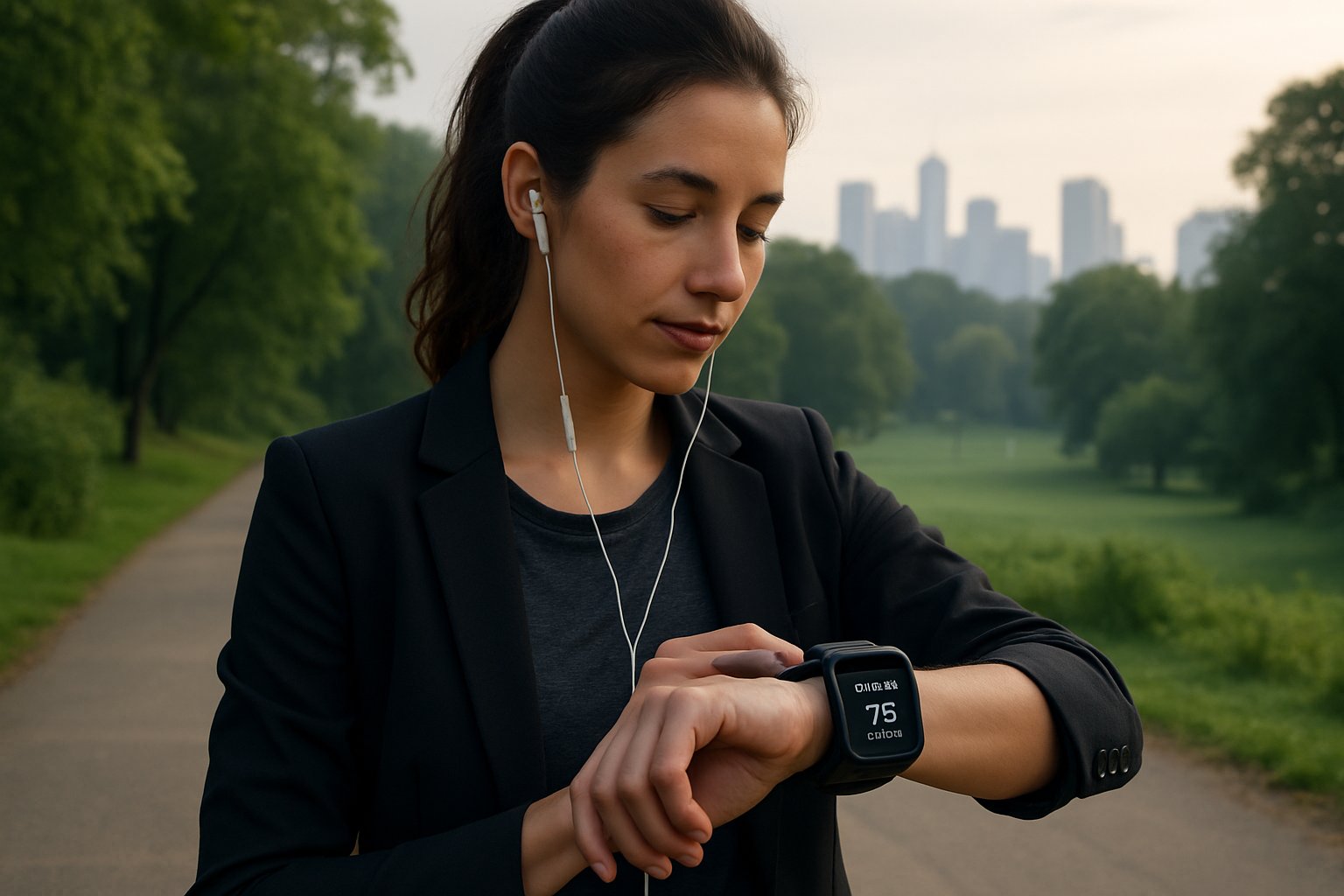
Additionally, we explore how the score differs from Garmin Body Battery and WHOOP Recovery. Finally, you will learn practical tips for interpreting readings and planning training. In contrast, earlier Amazfit Readiness gave a single morning verdict. Subsequently, many users still felt uncertain by afternoon. BioCharge aims to solve that lingering doubt through adaptive modeling.
BioCharge Metric Origins Explained
Zepp Health unveiled BioCharge on 24 June 2025 alongside the screen-free Helio Strap. The announcement framed the score as a live "battery percentage" of available energy. Moreover, executives highlighted freedom from subscription fees. Wayne Huang stated that combined devices close data gaps for greater precision. Consequently, the message resonated with value-conscious athletes.
Initial firmware shipped with Helio Strap, while Balance 2 received BioCharge in September. Subsequently, T-Rex 3 Pro joined through November updates. Early reviewers compared the innovation to established Wearable AI metrics from Garmin and WHOOP. In contrast, BioCharge promised updates every few minutes. That cadence shifted Amazfit strategy from morning snapshots toward continuous readiness insight. Overall, BioCharge solidified Amazfit’s commitment to advancing Wearable AI metrics across price tiers.
Key Inputs And Modeling
BioCharge integrates several biometrics rather than a single data stream. Sleep duration and quality form the foundation. However, daytime movement, HR, and HRV further refine trends. Stress scores derived from optical sensors also adjust the figure. Moreover, short naps can restore points in real time.
Zepp algorithms weigh inputs on a 0-100 scale to protect interpretability. Consequently, users visualize remaining energy like a smartphone battery icon. The model updates continuously on device, then syncs with the Zepp app. These complex calculations exemplify modern Wearable AI metrics blending physiology with edge computing. Nevertheless, Amazfit has not disclosed exact coefficients. Therefore, third-party validation still depends on comparative field testing.
Device Rollout Timeline Details
Rollout pace matters for ecosystem trust. Additionally, Amazfit documented BioCharge deployments across firmware notes. Below is a concise timeline.
- 24 Jun 2025 – Helio Strap announced with BioCharge at $99.99.
- 8 Sep 2025 – Balance 2 update added BioCharge and Wake BioCharge.
- Nov–Dec 2025 – T-Rex 3 Pro firmware integrated Daily Events and sensitivity tuning.
- Oct 2025 – Helio Strap patches reduced extreme drops below 10 %.
Furthermore, vendor update pages cite ongoing HRV weighting refinements. Consequently, scores now stabilize after high-intensity sessions. Battery life remains near ten days, preventing charge anxiety. Meanwhile, no subscription is required, unlike several rivals.
These milestones reflect active vendor stewardship. Consequently, prospective buyers can expect iterative accuracy boosts. Next, we examine how BioCharge positions Amazfit in the crowded metric market.
Comparative Market Landscape Overview
Garmin, WHOOP, and Oura dominate mainstream readiness discussions. In contrast, Amazfit targets budget buyers seeking similar insights. Garmin Body Battery leverages HRV, stress, and activity for a 0–100 score. WHOOP Recovery employs biometrics plus respiratory rate inside a subscription wall. Moreover, both platforms favor morning baselines over continuous movement.
BioCharge counters with intra-day recalculations on wearables costing under $300. Consequently, the feature extends advanced Wearable AI metrics to a broader audience. Reviewers found afternoon guidance particularly valuable. Nevertheless, proprietary algorithms still limit transparency across all brands. Therefore, independent protocol studies remain necessary for conclusive accuracy comparisons.
BioCharge narrows capability gaps against larger rivals. Subsequently, value positioning could shift budget wearables perception. Industry analysts predict that broad adoption of Wearable AI metrics will accelerate service revenue diversification.
Strengths And Limitations Assessed
Strengths begin with price. Helio Strap brings advanced scoring for $99.99. Moreover, continuous updates remove guesswork between sessions. Multi-signal modeling leverages biometrics and reduces single-sensor noise. Additionally, frequent firmware tweaks signal long-term support.
However, optical sensors still struggle during rapid wrist movement. Skin tone and strap placement also influence HRV accuracy. In contrast, chest straps produce cleaner data but lack convenient wearability. Algorithm opacity remains a universal weakness for Wearable AI metrics. Consequently, users should focus on trends rather than single numbers. Furthermore, none of these tools qualify as medical diagnostics yet. That reality necessitates responsible interpretation, especially when adjusting strenuous training.
These strengths illustrate mainstream progress. Nevertheless, technological and methodological caveats demand informed skepticism. Next, actionable guidance will aid daily decision making.
Practical Guidance For Users
Daily practice starts with consistent wear. Therefore, enable continuous HR, sleep, and stress tracking within the Zepp app. Charge the device overnight twice weekly to preserve uninterrupted data. Moreover, annotate heavy training, caffeine, and alcohol in the app journal.
Such context helps interpret unexpected energy dips. In contrast, ignore single dramatic drops unless the pattern repeats. Consider complementing BioCharge with occasional chest strap HRV sessions for calibration. Additionally, track subjective mood to correlate numbers with feelings.
Professionals can enhance their expertise with the AI Engineer™ certification. That program deepens understanding of algorithms powering Wearable AI metrics and related sensors. Consequently, certified practitioners advise teams on optimal device protocols. These tactics maximise metric reliability.
Consistent routines foster dependable trends. Subsequently, educated interpretation converts raw percentages into actionable training plans.
Conclusion And Next Steps
BioCharge signals a pivotal shift toward democratized readiness intelligence. Moreover, its continuous scoring challenges entrenched premium rivals. Amazfit leverages affordable hardware, robust sensors, and agile firmware to deliver persuasive numbers. However, proprietary math and optical limitations remind users to interpret trends cautiously.
Therefore, pairing objective data with subjective feedback remains essential. Wearable AI metrics will keep evolving as biometrics science matures. Consequently, professionals who master underlying principles secure strategic advantages. Start by testing BioCharge during varied activity, sleep, and recovery cycles. Finally, explore certification programs to deepen technical credibility and guide organizational adoption. Adopt Wearable AI metrics wisely, and your workforce will convert raw data into sustainable performance gains.
Disclaimer: Some content may be AI-generated or assisted and is provided ‘as is’ for informational purposes only, without warranties of accuracy or completeness, and does not imply endorsement or affiliation.


