

AI CERTS
6 months ago
Chatbot Privacy Incident: Anthropic Transcript Leak Exposed
Meanwhile, Anthropic stressed that it instructs crawlers not to index those share URLs. However, external postings made the addresses discoverable, overriding internal safeguards. Privacy experts call the pattern systemic, noting similar ChatGPT and Grok incidents during 2025. Consequently, enterprises now question whether generative platforms can reliably protect confidential workflows. This article unpacks the timeline, technical roots, legal stakes, and practical defences arising from the Leak. Moreover, it offers actionable steps for security teams navigating future transcript exposures.
Incident Overview And Impact
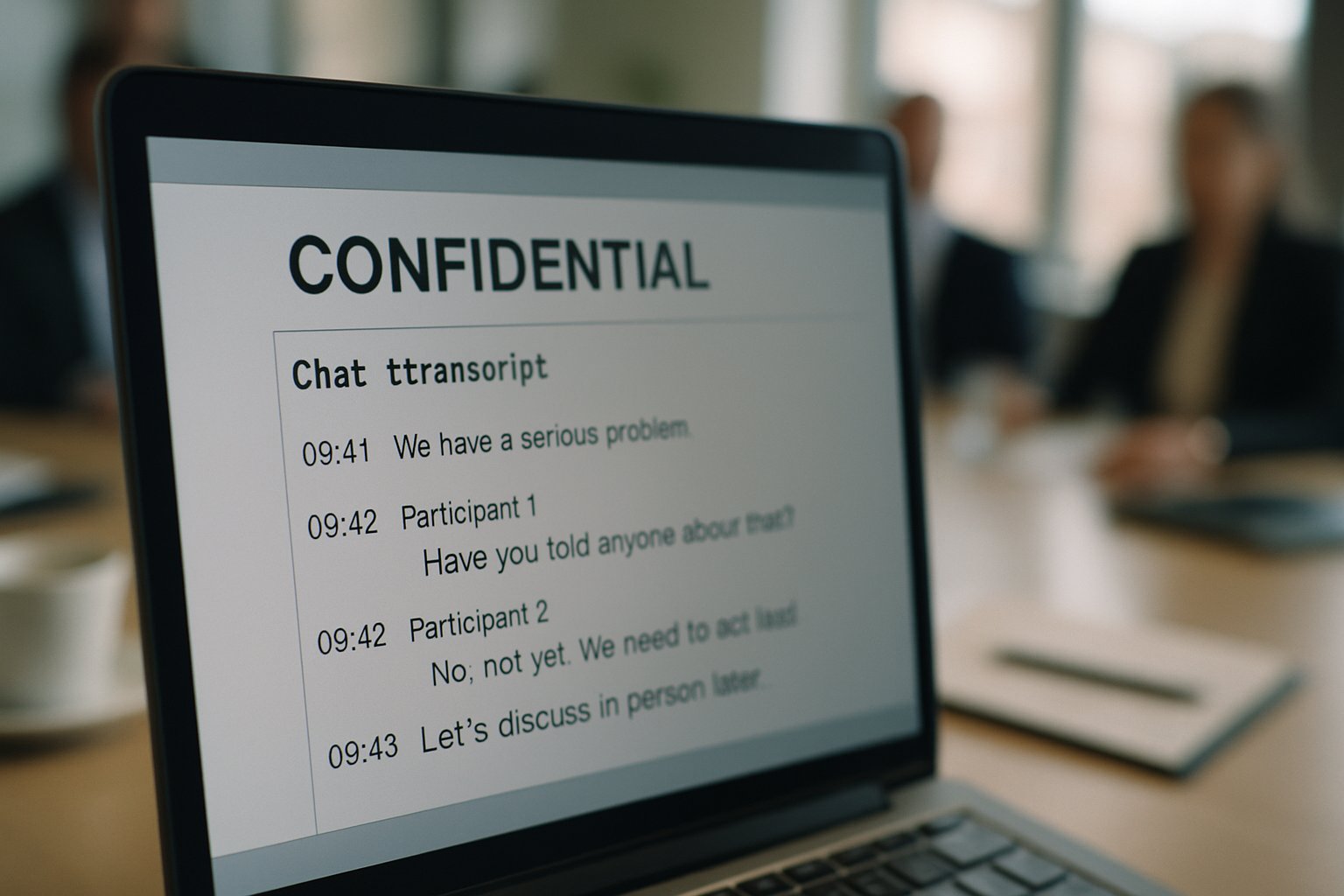
Investigations estimate that just under 600 Claude transcripts were captured by Google’s index. In contrast, earlier Grok leaks reached hundreds of thousands, demonstrating scale escalation. Nevertheless, even 600 exposures can violate contractual confidentiality and data-protection statutes. The affected pages included personal health questions, software code snippets, and potential merger discussions. Consequently, corporate counsel warned that inadvertent disclosures might trigger insider-trading probes or GDPR penalties. Search visibility amplified the damage because cached copies persisted even after removals.
Moreover, social platforms quickly circulated screenshots, extending lifespan beyond original URLs. For many observers, the Chatbot Privacy Incident confirmed that AI UI design choices are security decisions. Leak fatigue now threatens trust in helpful conversational agents. As a result, boards demand clearer safeguards before approving further generative deployments. These revelations underscore substantial reputational and compliance risk. However, understanding the timeline clarifies where defences collapsed.
Timeline Highlights And Context
Events unfolded rapidly during late summer 2025. Aug 28 saw Anthropic publish revised consumer terms that introduced an opt-in data-sharing toggle. Subsequently, reporters chasing Grok indexing stories began probing Claude share URLs. By 8 September, Forbes revealed approximately 600 indexed pages. Google responded the next day, reiterating that publishers govern robots directives.
- Aug 28 2025: Anthropic updates consumer terms and data retention policies.
- Sep 08 2025: Forbes publishes index discovery of Claude transcripts.
- Sep 09 2025: Google issues statement about publisher control.
- Sep 10 2025: Indexed pages begin disappearing from Search results.
Meanwhile, earlier August brought headline-grabbing Grok and ChatGPT leak reports, creating heightened media attention. Consequently, authorities and investors were primed when the Claude situation appeared. The Chatbot Privacy Incident therefore landed within an already volatile debate about AI openness. These milestones reveal how quickly a minor oversight can escalate. Next, we examine the technical levers that enabled exposure. The compressed timeline illustrates detection challenges. Consequently, technical analysis becomes imperative.
Technical Causes Behind Exposure
At the heart lies a simple design pattern called shared chat URLs. When users click Share, Claude generates a public HTML page hosting full transcripts. Robots meta tags instruct crawlers not to index these pages, yet that directive remains voluntary. Moreover, if someone posts the link on Reddit, Twitter, or a company blog, crawlers may discover it elsewhere. In contrast, authenticated microsites would reduce crawl exposure but break one-click sharing convenience. Additionally, caching layers can snapshot leaked pages before Anthropic submits a removal request.
The Chatbot Privacy Incident exemplifies how voluntary standards falter under aggressive web crawlers. Search engine refresh rates vary, prolonging availability for days. Researchers also highlight user interface framing. Buttons emphasising sharing benefits can overshadow discreet privacy warnings. These technical and experiential factors interacted, producing the harmful Search exposure. Therefore, mitigation must address code and copy together. Engineering choices cannot rely solely on crawler goodwill. Next, attention turns to organisational reactions.
Stakeholder Responses So Far
Public statements arrived quickly from Anthropic, Google, and privacy scholars. The company argued it never provided sitemaps and always blocked crawlers. However, the firm conceded that users posting links frustrated those protections. Google, meanwhile, emphasised publisher responsibility, pointing reporters to standard webmaster tools. Furthermore, Oxford academics labelled the pattern a "privacy disaster in progress". Investors focused on potential brand erosion and regulatory fines. Consequently, the vendor commissioned an external audit and promised UX revisions.
The Chatbot Privacy Incident also ignited webinar discussions among CISOs and procurement officers. Participants demanded technical roadmaps, not general assurances. These conversations set expectations that regulators will request incident metrics within months. Stakeholder dialogue reveals impatience with vague promises. Therefore, legal scrutiny deserves separate examination.
Legal And Regulatory Pressure
Anthropic already faces a proposed $1.5 billion settlement over training data claims. Consequently, any additional exposure intensifies judicial scrutiny and investor unease. GDPR articles 32 and 34 require rapid breach notification when personal data is compromised. In contrast, United States breach laws vary by state but punish deceptive privacy statements. Moreover, the Federal Trade Commission often cites false claims about data safety as unfair practice. The Chatbot Privacy Incident might therefore strengthen arguments that share buttons require clearer risk labeling. Regulators could mandate privacy impact assessments before deploying public transcript features.
Additionally, forthcoming EU AI Act provisions elevate transparency obligations for generative services. Lawyers advise implementing default private shares until explicit consent is captured. These legal forces compress product timelines and budget allocations. Compliance costs will likely rise across the sector. Consequently, proactive risk controls become competitive advantages.
Risk Mitigation Best Practices
Security teams cannot wait for another Chatbot Privacy Incident before acting. Therefore, implement layered controls that balance usability with defense.
- Disable public sharing by default for corporate tenants.
- Enforce authenticated access on generated transcript pages.
- Apply noindex and require tokenised URLs that rotate regularly.
- Monitor search results proactively using automated queries.
- Train staff on share button implications and data classification.
Moreover, adopt active monitoring that triggers alerts when new share links appear in Search results. Leak containment should include immediate removal requests through Google’s Search Console and Bing Webmaster tools. Additionally, purge cached versions on content delivery networks and archival sites. Professionals can enhance their expertise with the AI Security Compliance™ certification.
That program covers governance, crawler behavior, and incident response tailored to generative AI. Consequently, certified practitioners translate guidance into actionable checklists faster. These best practices reduce dwell time and restore user confidence. Next, we explore broader industry lessons. Failure to execute such basics invites the next Chatbot Privacy Incident within weeks.
Forward Looking Industry Lessons
Generative platforms sit at the intersection of openness and confidentiality. In contrast, traditional SaaS rarely publishes user content by design. Moreover, investors reward companies that integrate privacy engineering from day one. Anthropic now tests revised tooltips and friendlier private-share defaults across Claude. OpenAI and xAI pursue similar redesigns, signalling an industry pivot.
Consequently, procurement checklists will soon demand explicit crawler audit reports. The Chatbot Privacy Incident accelerated that maturity curve by exposing tangible business losses. Organizations that adapt early will differentiate through credible trust guarantees. Nevertheless, leak vectors will evolve as models integrate deeper into workflows. Continuous vigilance therefore remains mandatory. Industry trends point toward privacy-by-default architectures. Finally, decisive action today prevents costly surprises tomorrow.
Claude’s indexing scare offers a timely warning for every AI vendor and adopter. Shared links simplify collaboration yet escalate exposure when safety guardrails prove optional. Moreover, regulators now view careless design as potential deception. Consequently, proactive audits and hardened defaults should headline every deployment checklist. The Chatbot Privacy Incident demonstrated that reputational damage arrives faster than legal clarity.
However, structured controls, trained staff, and continuous monitoring can contain future Leak events. Professionals who pursue disciplined education, including the AI Security Compliance program, gain strategic advantage. Take decisive steps now and shape a safer generative future.
Disclaimer: Some content may be AI-generated or assisted and is provided ‘as is’ for informational purposes only, without warranties of accuracy or completeness, and does not imply endorsement or affiliation.


