How to Position Your Institution as an AI-Enabled Future-Ready Campus


The expectations placed on educational institutions have changed dramatically. Students want job-ready skills, employers want immediately productive talent, and decision-makers want measurable outcomes from learning investments. Traditional curriculum models alone are no longer enough to meet these demands.
This shift has created a clear opportunity for institutions to evolve into AI-enabled future-ready campuses—learning environments that align education with industry needs, emerging roles, and global certification standards. Institutions that adapt early gain a competitive edge in enrollment, partnerships, and learner outcomes.
So, how do you position your institution for this future? It starts with strategy, credibility, and the right certification ecosystem.
What Defines an AI-Enabled Future-Ready Campus?
A future-ready campus is not defined by technology adoption alone. It is shaped by how effectively learning outcomes translate into real-world impact.
Key characteristics include:
- Curriculum aligned with industry-validated skills
- Career-oriented AI training programs across disciplines
- Faculty enablement and continuous upskilling
- Certification pathways embedded into academic delivery
Institutions that integrate these elements create confidence among learners, employers, and stakeholders.
Why AI Training Programs Matter Across Disciplines
AI skills are no longer limited to technical teams. Business leaders, finance professionals, HR managers, healthcare administrators, and policy planners all require functional AI knowledge.
By offering structured AI training programs, institutions can:
- Improve graduate employability and placement outcomes
- Attract enterprise and government partnerships
- Expand executive and professional education offerings
- Strengthen institutional brand relevance
These programs allow institutions to future-proof both learners and faculty while staying aligned with workforce demand.
Embedding Certification-Led Learning for Real-World Impact
Certification-aligned education bridges the gap between learning and employment. When learners earn credentials recognized by industry, they graduate with validated proof of competence.
Integrating certifications enables institutions to:
- Offer globally recognized credentials
- Reduce skill gaps between academia and industry
- Deliver outcome-driven education models
- Increase learner confidence and career mobility
Partnering with a recognized certification body ensures consistency, quality, and relevance.
The Value of Becoming an Authorized Training Partner
Becoming an authorized training partner allows institutions to deliver certification programs without building frameworks from scratch. This model supports scalability, credibility, and faster program launches.
As an authorized partner, institutions gain access to:
- Structured curricula aligned with industry roles
- Standardized assessments and credentialing models
- Continuous content updates based on market needs
- Global recognition that enhances institutional trust
Through collaboration with AI CERTs, institutions can integrate certification pathways across undergraduate, postgraduate, and professional programs while maintaining academic flexibility.
Faculty Enablement: The Core of Sustainable Transformation
Faculty play a critical role in shaping a future-ready campus. Institutions that invest in faculty certification and upskilling create stronger learning experiences and better learner outcomes.
Faculty enablement supports:
- Industry-aligned teaching methodologies
- Practical, scenario-based instruction
- Faster adoption of emerging skill frameworks
- Higher student engagement and satisfaction
Certified faculty become ambassadors of credibility and innovation within the institution.
Building Career-Connected Learning Pathways
Future-ready campuses design learning journeys with clear career outcomes. Certification-backed pathways help learners progress from foundational knowledge to advanced specialization.
Effective pathways include:
- Role-based learning tracks
- Project-driven assessments
- Industry use cases integrated into coursework
- Stackable credentials for long-term career growth
This approach aligns education with real workplace expectations.
Why Institutions Choose to Become a Partner
Choosing to become a partner is a strategic decision, not a short-term program addition. It allows institutions to scale faster, compete globally, and remain relevant as skills evolve.
Key benefits include:
- Faster program rollout and time-to-market
- Stronger employer and government trust
- New revenue opportunities through professional education
- Long-term alignment with workforce transformation
For universities, colleges, and training providers, partnership-led certification models offer sustainable growth.
Aligning With National and Global Workforce Initiatives
Governments and enterprises worldwide are investing heavily in AI-focused workforce development. Institutions aligned with recognized certification frameworks are better positioned to participate in:
- National skilling missions
- Public-private education initiatives
- International academic collaborations
- Enterprise-sponsored training programs
This alignment enhances institutional visibility and credibility.
Conclusion: Lead the Future of Education With Confidence
Positioning your institution as an AI-enabled future-ready campus requires more than vision—it requires action. By embedding AI training programs, becoming an authorized training partner, and choosing to become a partner with a trusted certification body, institutions can deliver education that meets tomorrow’s workforce needs.
If your institution is ready to lead, now is the time to act. Explore certification pathways or Become a Partner with AI CERTs to strengthen credibility, outcomes, and long-term growth.
Recent Blogs
FEATURED
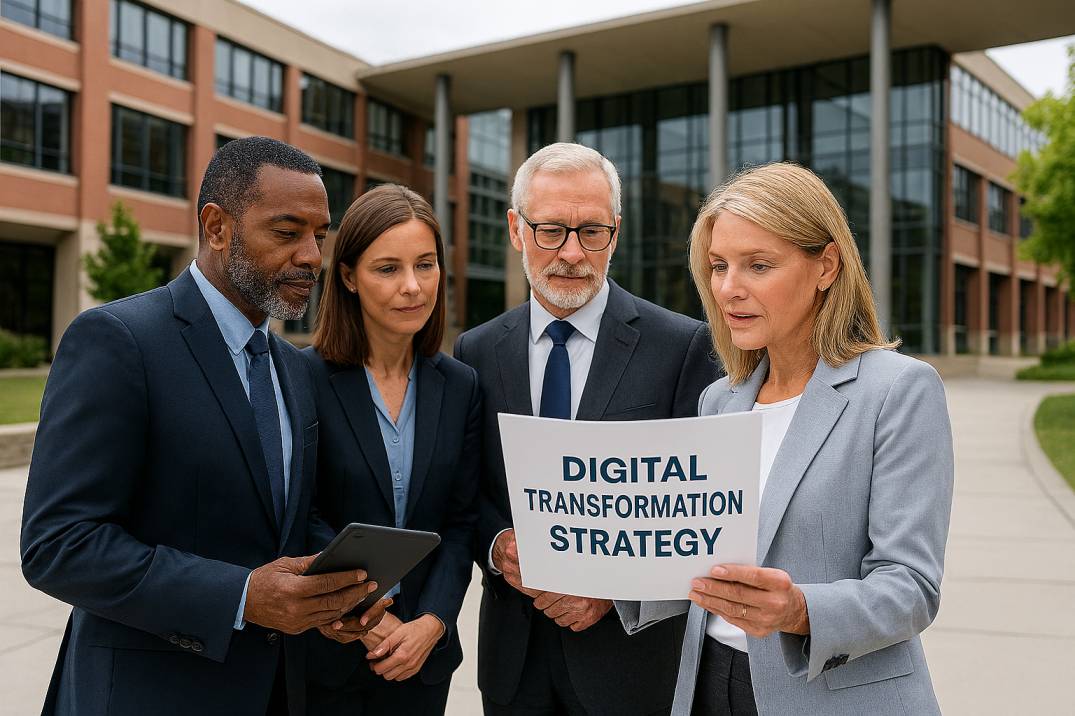
Digital Transformation: How AI Partnerships Accelerate Institutional Success
February 25, 2026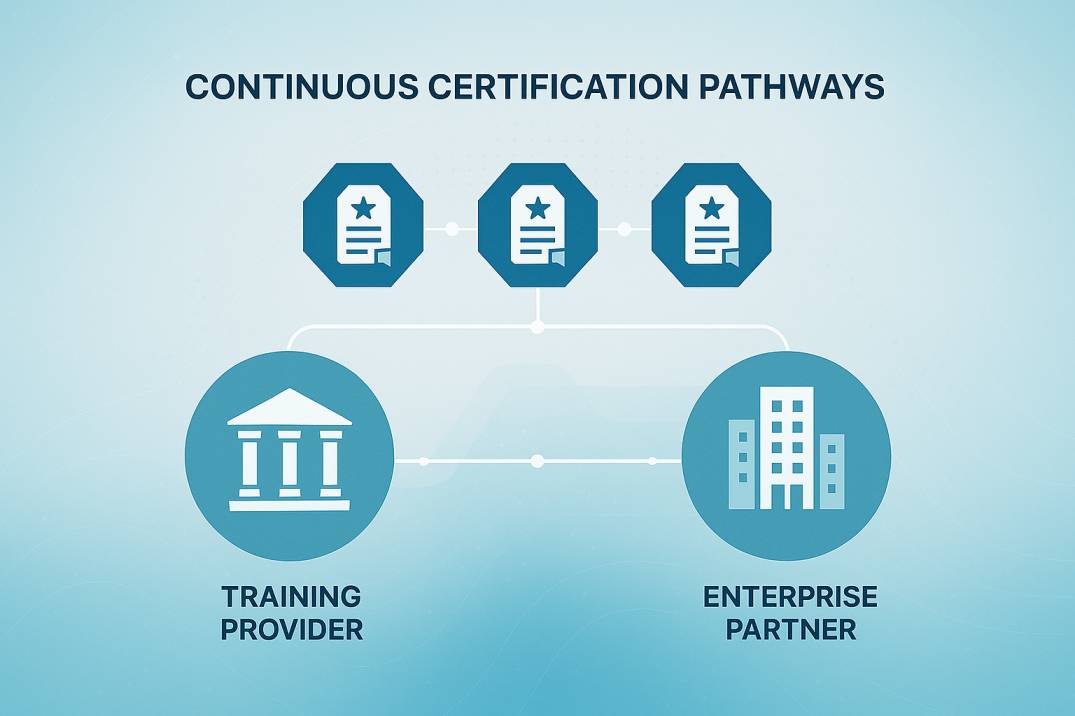
FEATURED
Can Training Providers Support Lifelong Learning?
February 19, 2026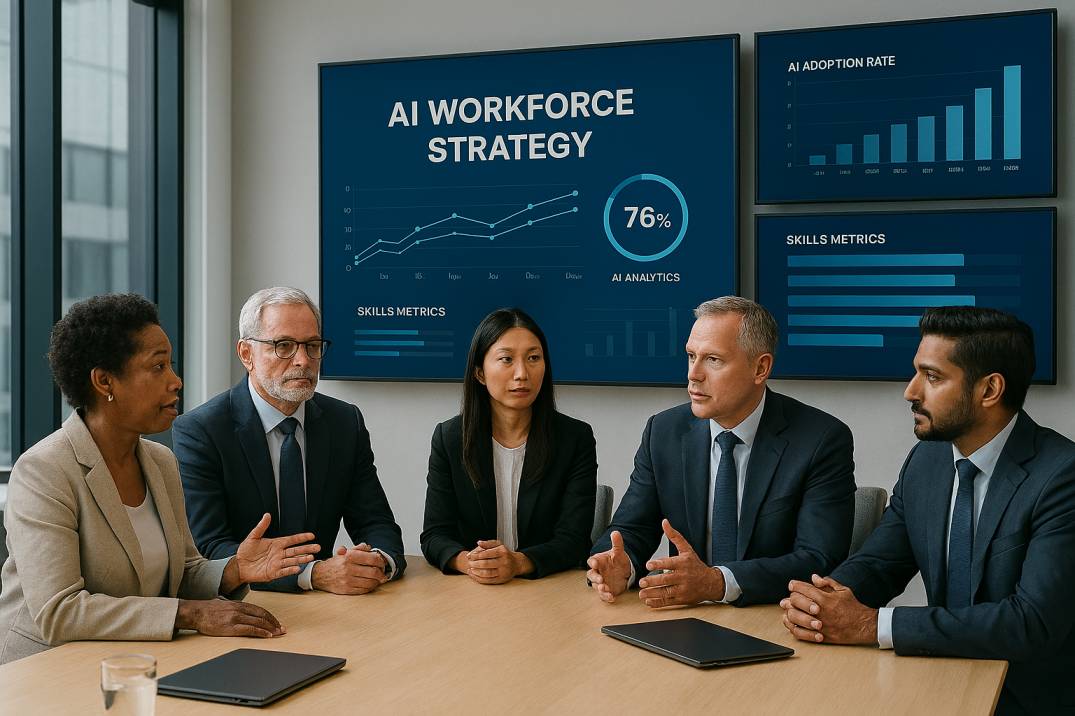
FEATURED
The Top 5 AI Training Questions Training Leaders Are Asking in 2026 (And How Partnerships Provide Answers)
February 19, 2026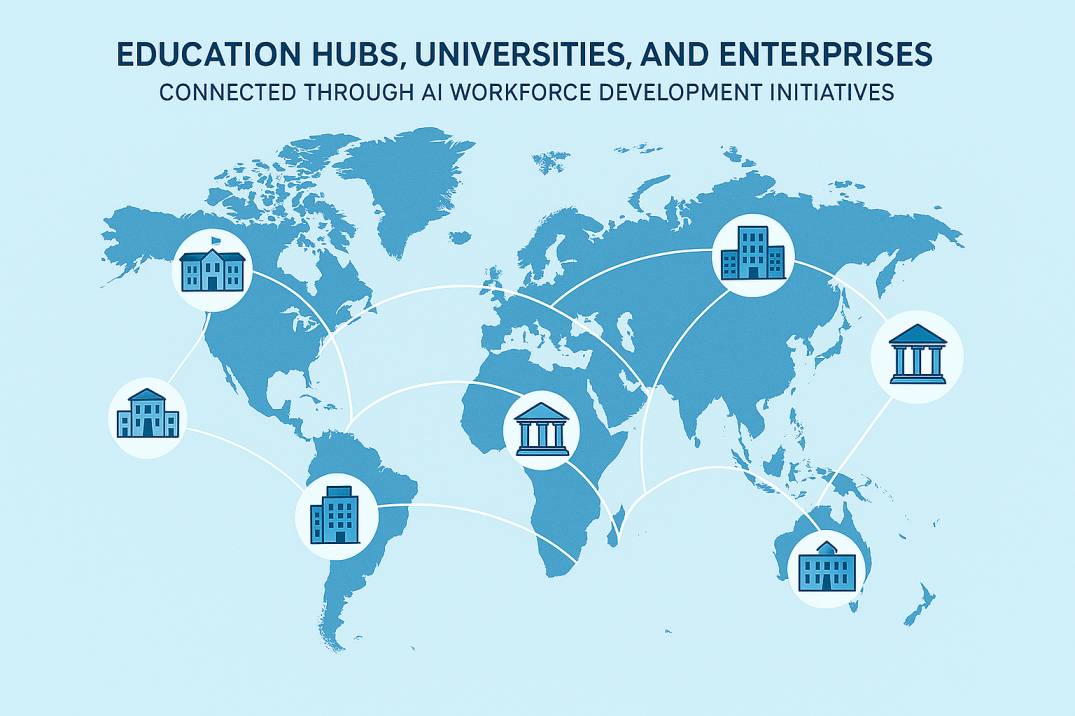
FEATURED
UN Approves Global AI Scientific Panel: What It Means for AI Training Partnerships
February 19, 2026
FEATURED
Training & Talent Pipelines — Microsoft’s $50B AI Strategy Signals a New Era of Global Skilling Partnerships
February 19, 2026