Why Human Resources Needs Specialized AI Training Programs


Human Resources is at the center of enterprise AI adoption—yet it’s one of the least prepared functions to operationalize it. As organizations embed AI into recruitment, performance management, workforce analytics, and compliance workflows, HR leaders face a widening gap: strategic responsibility without structured AI training infrastructure.
Generic AI learning initiatives don’t solve this problem. HR teams require specialized AI training programs that align with governance, ethics, workforce policy, and enterprise-scale deployment. For organizations that deliver training—corporate academies, consulting firms, EdTech providers, and institutions—the opportunity isn’t just to educate HR teams, but to enable repeatable, scalable AI training programs through the right partnership model.
That’s where a structured enablement framework becomes essential.
The HR–AI Gap Organizations Can’t Ignore
AI adoption inside HR is no longer experimental. Organizations are actively using AI for:
- Talent acquisition and screening
- Skills intelligence and workforce planning
- Employee engagement analytics
- Compliance monitoring and risk mitigation
However, most HR functions lack standardized AI training aligned to enterprise realities. The result is fragmented knowledge, inconsistent adoption, and growing exposure to regulatory and ethical risk.
From a business standpoint, this creates two pressures:
- Enterprises need HR-specific AI training programs, not generic AI education
- Training providers need a faster, scalable way to deliver those programs without building everything from scratch
Why Generic AI Training Programs Fall Short for HR
Most AI education models are built for technologists or individual learners. HR teams operate under very different constraints:
- Policy-driven decision-making
- High compliance and governance requirements
- Cross-functional accountability
- Enterprise-wide rollout expectations
Without a specialized framework, organizations struggle to standardize AI usage across HR functions. For training providers, attempting to custom-build HR-focused AI programs introduces high cost, long development cycles, and limited scalability.
This is precisely where a partner-led enablement model outperforms traditional training delivery.
A Structured Path to Launching HR-Focused AI Training Programs
The Role of an Authorized Training Partner Framework
The most effective way to meet enterprise HR demand is through a structured authorized training partner model—one that enables organizations to launch AI training programs with speed, consistency, and commercial viability.
The AI CERTs Authorized Training Partner (ATP) Program is designed specifically for this purpose. It is not a consulting engagement or a content marketplace. It is a business enablement framework that allows partners to operationalize AI training at scale.
ATP provides the foundation needed to deploy HR-focused AI training programs without reinventing core systems.
How the ATP Program Enables HR AI Training at Scale
1. Launch AI Training Programs Without Building Infrastructure
ATP partners gain access to a ready-to-deploy training and certification framework. This removes the need to design curricula, assessment models, or accreditation systems internally—allowing partners to focus on delivery, localization, and enterprise engagement.
2. Deliver Enterprise-Grade AI Upskilling for HR Functions
The ATP framework supports structured, role-aligned AI training programs suitable for HR teams operating in regulated, high-accountability environments. This ensures consistency across regions, departments, and enterprise clients.
3. Monetize AI Education as a Repeatable Offering
Rather than one-off workshops or bespoke engagements, ATP enables partners to monetize AI training programs as a standardized offering. This creates predictable revenue streams and long-term program scalability.
4. Scale Across Industries and Geographies
ATP is designed for growth. Partners can extend HR-focused AI training programs across multiple industries and regions without operational bottlenecks—using a single, unified framework.
Why the ATP Model Works for Training Providers and Institutions
The ATP Program is not a service offering—it’s a partnership architecture. Organizations that become a partner gain a structured way to participate in the AI training economy without assuming the risks of independent program development.
This model is particularly effective for:
- Corporate training providers expanding AI portfolios
- Consulting firms repositioning as enablement partners
- EdTech companies seeking enterprise-grade credibility
- Universities and institutions modernizing executive and professional programs
ATP allows these organizations to operate as AI training platforms—without functioning as agencies, consultants, or learner-centric educators.
HR AI Training as a Long-Term Business Opportunity
Human Resources will remain a critical control point for AI adoption in enterprises. As regulations evolve and workforce transformation accelerates, demand for specialized HR AI training programs will only increase.
Organizations that adopt a structured partner framework today position themselves to lead this next phase—delivering standardized, scalable, and monetizable AI training programs aligned with enterprise needs.
The question is no longer whether HR needs AI training. It’s how organizations enable it at scale.
Become an Authorized Training Partner
If your organization is looking to launch and scale AI training programs for HR and other enterprise functions, without building certification systems or curricula from scratch—the AI CERTs Authorized Training Partner (ATP) Program provides the structured path forward.
Become an Authorized Training Partner: https://www.aicerts.ai/become-an-authorized-partner/
Recent Blogs

FEATURED
Digital Transformation: How AI Partnerships Accelerate Institutional Success
February 25, 2026
FEATURED
How to Position Your Institution as an AI-Enabled Future-Ready Campus
February 24, 2026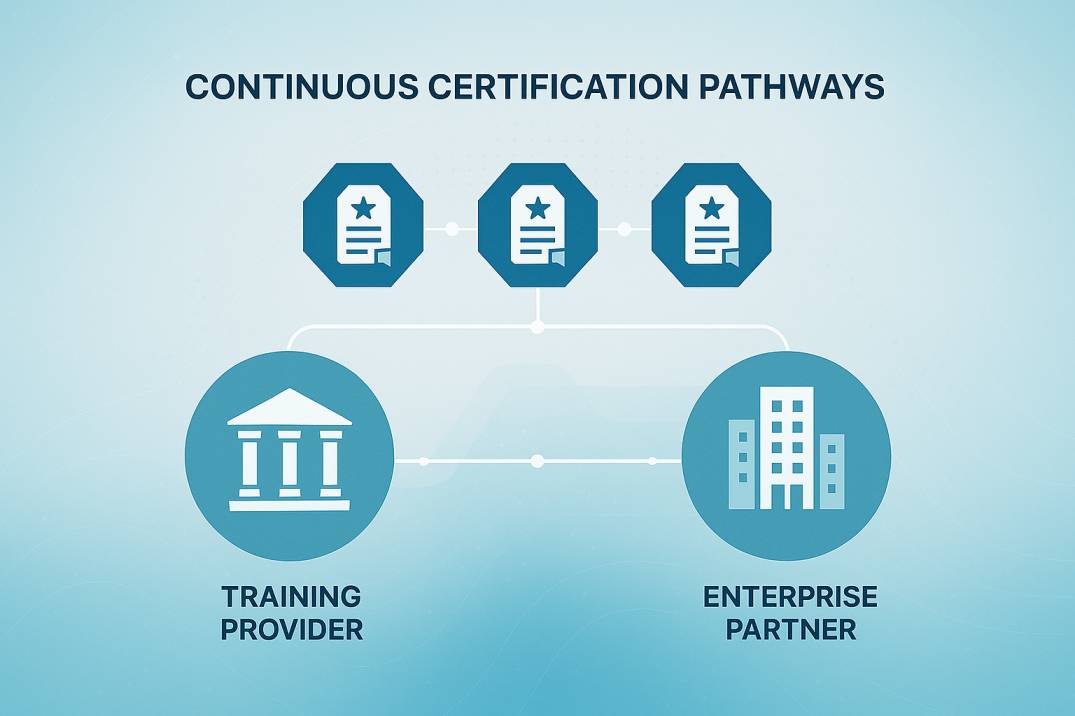
FEATURED
Can Training Providers Support Lifelong Learning?
February 19, 2026
FEATURED
The Top 5 AI Training Questions Training Leaders Are Asking in 2026 (And How Partnerships Provide Answers)
February 19, 2026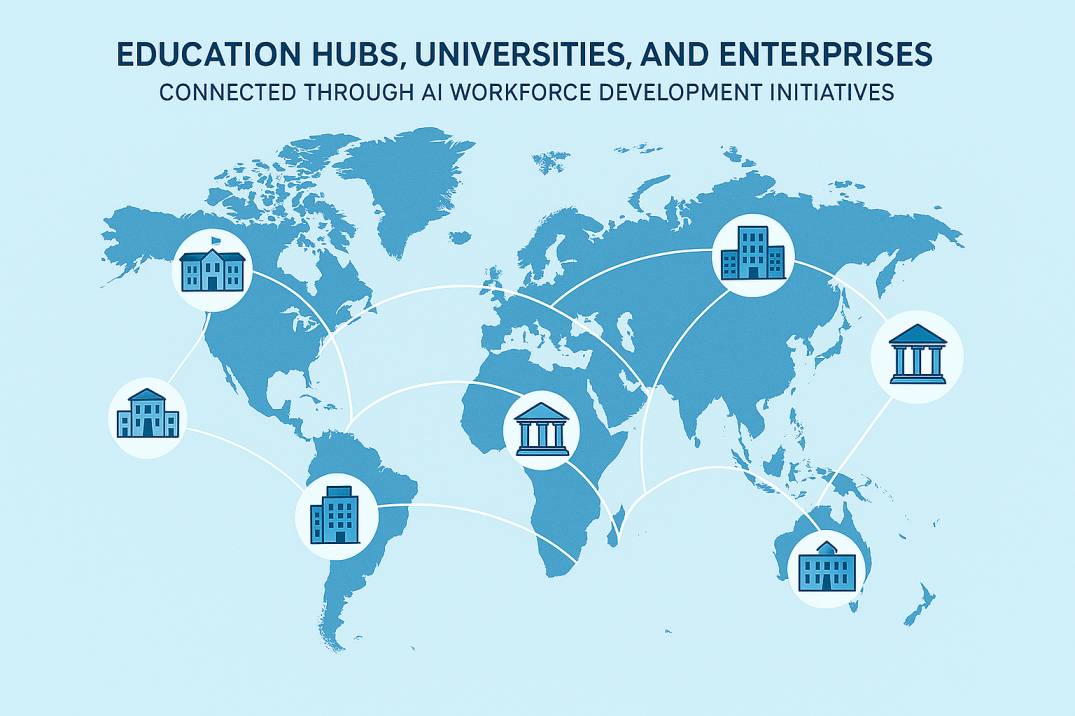
FEATURED
UN Approves Global AI Scientific Panel: What It Means for AI Training Partnerships
February 19, 2026