

AI CERTS
3 hours ago
Zoning Conflict Delays Florida Project Tango Data Center Plans
Local commissioners say extra time will clarify power, water, and environmental impacts. Meanwhile, residents rally around schools and wetlands, insisting independent experts verify every technical claim. Investors, utilities, and cloud giants are equally anxious to secure a decisive ruling. This article unpacks the timeline, arguments, and next steps behind the high-stakes debate. Additionally, it explains how professionals can navigate similar land use battles in emerging digital corridors. Study the sections below for concise facts and strategic insights.
Escalating Zoning Conflict Stakes
Project Tango sits inside the Central Park Commerce Center, a 202.67-acre industrial zone west of Wellington. County approvals from 2016 already allow two million square feet of warehouses and data facilities. Nevertheless, the new amendment seeks another 1.67 million square feet for hyperscale computing.
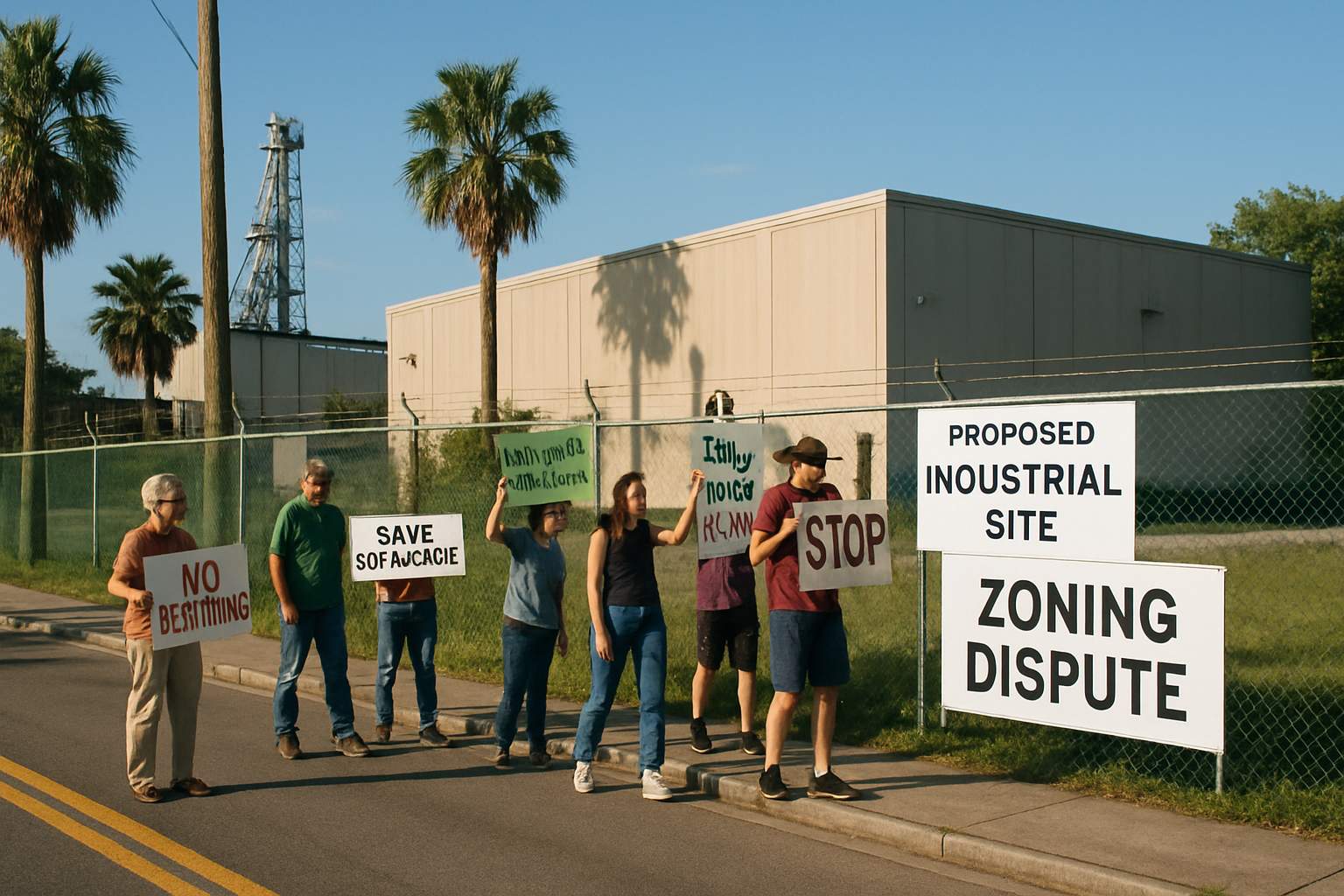
That expansion would raise total buildout to roughly 3.69 million square feet. Developers say this scale is essential for modern AI workloads. Opponents counter that the ambition intensifies the Zoning Conflict by upending earlier community expectations.
The stakes now involve billions in infrastructure and competing neighborhood priorities. However, the immediate calendar shift remains the most visible change. The next section explains that procedural delay.
Delay Reshapes Review Timeline
Palm Beach County first noticed the amendment on 18 November 2025. The Zoning Commission scheduled initial hearings for 4 December and 10 December. Consequently, commissioners postponed the vote to 23 April 2026 after heated town halls.
This Zoning Conflict now spans more than eight months of procedural maneuvering. On 10 April 2026, applicant counsel Carlton Fields sought another delay without needing board approval. County staff granted the administrative request, pushing discussion to 15 July 2026. Therefore, public comment will reopen, and new technical memos may surface before that summer date.
The April extension signals uncertainty and strategy from both sides. Nevertheless, procedural changes seldom resolve substantive disagreements. Readers now need concrete project details.
Project Tango Scope Details
County filings outline precise metrics for the proposed buildout. Additionally, staff reports list infrastructure commitments from the developer.
- Site acreage: 202.67 acres within Central Park Commerce Center.
- Existing approval: 2.02 million square feet of industrial space.
- Requested addition: 1.67 million square feet for data operations.
- Total potential: 3.69 million square feet if commissioners approve.
Moreover, the developer claims only 50 permanent jobs per phase, citing automation. Traffic engineers project minimal peak hour trips compared with warehouse baselines. In contrast, residents argue that resource loads, not traffic, pose the greater risk.
At its core, the Zoning Conflict centers on square footage and use categories. These metrics reveal a massive yet technically defined expansion. However, numbers alone never calm environmental fears. The following section explores those community concerns.
Opponents Raise Environmental Fears
Parents at Saddle View Elementary worry about continuous generator hum and low-frequency vibrations. Meanwhile, Arden homeowners question potential heat island effects generated by dense server halls. Earthjustice attorney Christina Reichert therefore demanded third-party noise and water assessments before any board vote.
Critics also cite regional drought projections when estimating cooling demand for liquid or evaporative systems. Furthermore, they argue that new utility substations could attract still more industrial growth. Developers contest those claims but have begun drafting a preliminary noise report to ease tension.
In April alone, volunteers organized three weekend protest marches outside county offices. Speakers routinely highlight classroom proximity, wetland buffers, and wildlife corridors during protest rallies. An environmental protest campaign now streams weekly webinars to coordinate messaging. Public protest ensures commissioners cannot ignore constituent sentiment. However, economic narratives still influence decision makers. Those narratives appear next.
Developer Economic Benefit Claims
Developer representative Ernie Cox emphasizes job creation and immediate construction spending across South Florida. Additionally, presentations note that PBA Holdings will finance any new Florida Power & Light transformers. The applicant pledges to fund roadway turn lanes, onsite berms, and advanced stormwater management.
Moreover, county budget staff project millions in annual ad valorem taxes once servers go live. In contrast, opponents maintain that limited full-time staffing curtails long-term wage growth. Therefore, economic forecasts vary depending on modeling assumptions and multiplier effects.
According to the applicant, resolving the Zoning Conflict would unlock immediate capital. Financial promises appear attractive during budget season. Nevertheless, resource questions still dominate workshops. Utility issues illustrate those resource debates.
Power And Water Questions
Data centers demand continuous electricity and precise thermal management. County exhibits reference a January 2024 cooling memo outlining liquid, air, and adiabatic options. Furthermore, staff sought quantified daily water use, especially during peak summer loads. Applicant engineers now prepare revised tables after informal meetings with FPL planners.
Consequently, many residents fear groundwater stress and higher electricity tariffs. The Zoning Conflict therefore intersects with broader climate resilience planning. Professionals can enhance their expertise with the AI Policy Maker™ certification to interpret such infrastructure proposals.
Technical clarity could either cool tempers or fuel fresh opposition. The final section outlines how commissioners will navigate that uncertainty.
Next Steps Before Decision
Commissioners will receive updated staff reports two weeks before the 15 July hearing. Consequently, residents and developers gain a narrow window to refine public messaging. County planners expect fresh acoustic modeling, revised cooling worksheets, and firmed FPL interconnection letters.
This Zoning Conflict could still conclude in one meeting or stretch into further continuances. Furthermore, a parallel state incentive application may reveal the secret end user. For observers across Florida, the outcome will set precedent for future hyperscale proposals.
A clear calendar now guides engagement. However, the underlying issues remain hotly contested. Conclusion below distills strategic lessons.
Conclusion
Project Tango remains a lightning rod inside Palm Beach County land use circles. The Zoning Conflict now encompasses procedural tactics, economic forecasts, and environmental safeguards. Delay until July grants space for cooler analysis, yet lobbying will intensify. Consequently, professionals watching other Florida corridors should monitor data center precedent setting here.
Stakeholders can deepen policy literacy through the AI Policy Maker™ certification. Moreover, an informed workforce accelerates balanced growth and robust community trust. Share this analysis and join our next briefing for timely zoning intelligence. Meanwhile, send us questions about the case documents, cooling memos, or power studies. Together, we can convert contested projects into transparent, sustainable outcomes.


