

AI CERTS
2 months ago
Waymo SF resumes robotaxi service after December blackout
The halt lasted roughly 24 hours, yet it reignited debate about infrastructure resilience and autonomous mobility. This article unpacks the pause, the rapid restart, and the wider implications for Blackout preparedness, safety oversight, and autonomous market growth.
Blackout Halts Waymo SF
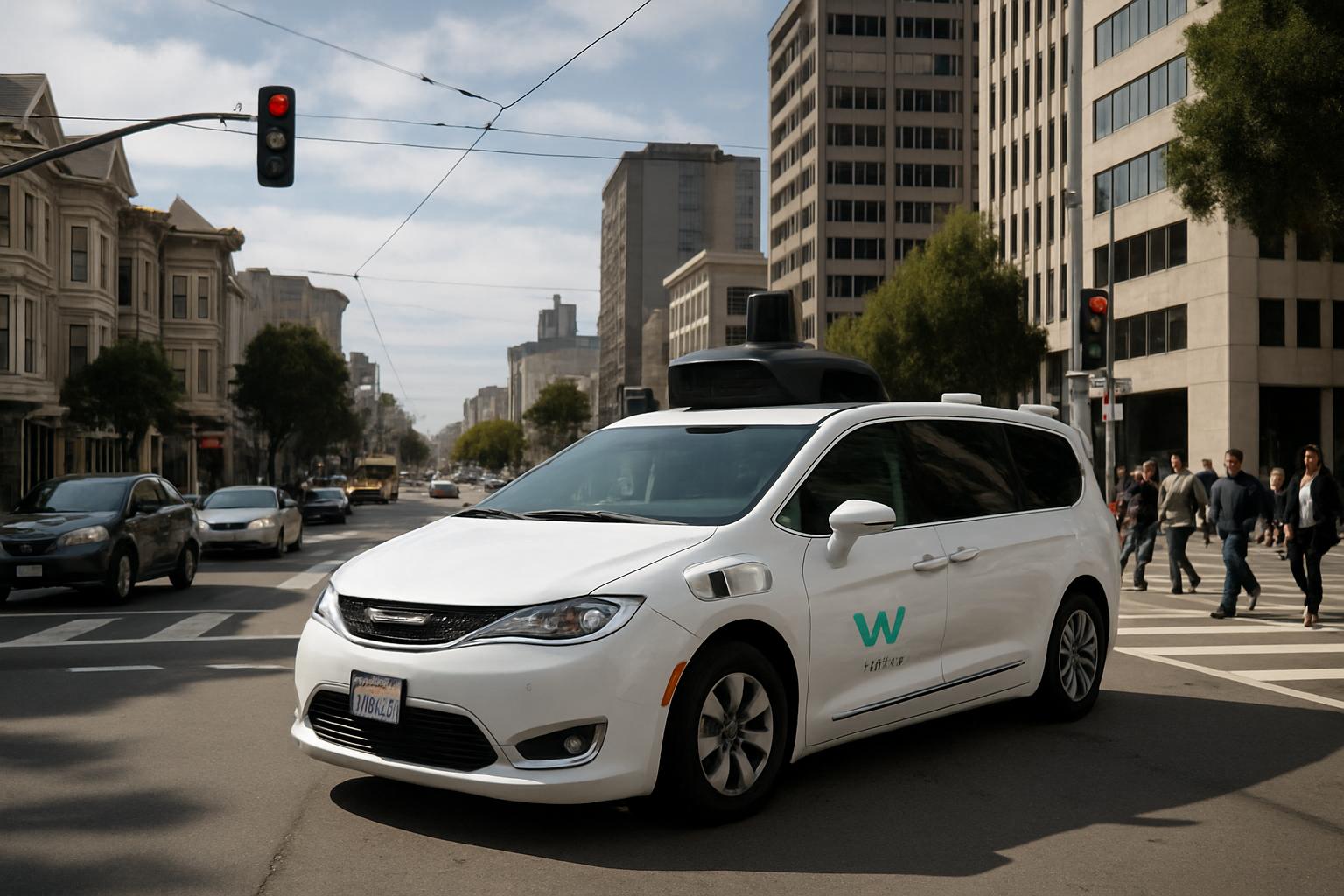
The evening outage affected about 130,000 PG&E customers at its peak. Moreover, dozens of intersections lost functioning signals, creating unstructured road scenarios. Waymo’s Robotaxis treated every dark signal as a four-way stop, generating cautious standstills. Consequently, the company suspended its commercial Service across the Bay Area. Videos on social media showed stalled vehicles awaiting remote guidance.
Regulators confirmed no injuries, but passengers experienced lengthy delays. These events revealed how tightly Level 4 fleets depend on stable urban infrastructure. However, they also highlighted Waymo’s willingness to pause operations proactively.
Key figures from the night include:
- Affected PG&E customers: ~130,000
- Waymo fleet across markets: roughly 1,500 vehicles
- Estimated weekly rides company-wide: ~450,000, according to an investor letter
The pause underscored the challenge of scaling autonomy during unforeseen crises. Nevertheless, collaboration with emergency responders limited broader disruption. These numbers illustrate the incident’s scope. Subsequently, officials and engineers moved toward a controlled restart.
Coordinated Restart Restores Service
Power returned to most districts by midday 21 December. Subsequently, Waymo engineers ran fleet diagnostics and verified sensor performance. The company then announced that Waymo SF rides would resume that afternoon. Furthermore, spokesperson Suzanne Philion stressed that lessons learned would feed directly into software updates. City agencies confirmed improved traffic flow within two hours of resumption. Importantly, no passenger complaints required medical attention. The swift restart demonstrated operational agility, yet it also emphasized the thin margin autonomous providers navigate during large disruptions.
Waymo added that remote assistance traffic spiked during the outage. However, network capacity held, avoiding a total communications loss. These details matter because remote human input remains a crucial fallback. Therefore, maintaining robust cellular coverage is essential for dependable Service. The coordinated restart reassured regulators watching previous recalls closely. Consequently, federal inquiries did not escalate.
Infrastructure Dependence Exposed Clearly
Level 4 vehicles rely on digital maps, sensor fusion, and external connectivity. In contrast, human drivers adapt instinctively when lights fail. Moreover, network congestion can hamper teleoperation, extending stalls. Analysts noted that Robotaxis behaved conservatively by design. Nevertheless, public perception equated immobility with failure, not caution. The Blackout thus showcased a perception gap between engineered safety and user expectation.
Technical experts suggested redundant communication channels as one mitigation. Additionally, municipal investments in smart-signal batteries could shorten dark-intersection windows. Consequently, collaboration between cities and fleet operators will shape future resilience. The exposure of infrastructure dependence remains a central takeaway. Moving forward, platform robustness must grow alongside urban modernization.
Safety Record Under Scrutiny
Regulators track Waymo closely after recalls in 2024 and 2025. Furthermore, NHTSA continues evaluating collision data involving stationary objects. The December event added another datapoint, yet no crash occurred. Industry observers argued that transparent reporting helped Waymo SF maintain credibility. However, critics, including Tesla executives, questioned LiDAR-heavy sensor stacks after the stalls. They contrasted Tesla’s camera-only approach, claiming superior adaptability.
Competitor Reactions Emerge Fast
Social media amplified those comparisons within hours. Meanwhile, Cruise remained silent, still recovering from its own regulatory setbacks. Investors, nevertheless, cited Waymo’s ride volume as evidence of leadership. Consequently, balanced safety metrics will influence public sentiment more than marketing claims. Ongoing audits should clarify whether conservative stops or unexpected disengagements dominated incident logs. These findings will inform future regulatory thresholds. Ultimately, rigorous transparency can convert scrutiny into trust.
The safety debate will persist. However, proactive disclosures and iterative fixes position Waymo favorably. Therefore, continued openness remains vital as deployment expands.
Market Momentum Versus Regulation
Despite sporadic setbacks, autonomous demand climbs. Tiger Global’s leaked letter placed weekly rides near 450,000. Moreover, Waymo hinted at Los Angeles launches in 2026. Yet state agencies still grant permits, especially after crises. Consequently, Waymo SF must balance aggressive scaling with cautious stakeholder engagement.
Professionals looking to navigate this evolving field can boost skills through the AI Marketing Strategist™ certification. Additionally, municipal planners may pursue related credentials to bridge technology and policy. Such training supports informed oversight. Therefore, workforce expertise will influence how swiftly autonomous Service reaches new cities.
Investor enthusiasm remains high, yet regulatory pacing prevails. These opposing forces will shape capital allocation. Consequently, market watchers must track both safety filings and expansion announcements.
Lessons For Autonomous Future
The outage offers five strategic insights:
- Redundancy in traffic infrastructure reduces stall probability.
- Robust teleoperation bandwidth is vital during crises.
- Transparent communication sustains user trust.
- Holistic training equips regulators and engineers alike.
- Public education narrows the perception gap.
Moreover, incident data will refine simulation libraries, improving edge-case handling. Waymo SF engineers already push updates addressing dark-signal recognition. Meanwhile, city officials explore micro-grid backups for critical intersections. Consequently, shared responsibility emerges as the dominant theme. These lessons underscore the sector’s interdependence. Subsequently, collaboration will dictate the pace of safe autonomy.
Together, these developments chart a roadmap. However, consistent follow-through will determine lasting impact.
In summary, the December Blackout paused Robotaxis but accelerated important conversations. Nevertheless, swift recovery restored public confidence and highlighted strategic priorities.
Therefore, stakeholders must treat infrastructure resilience and transparent governance as twin pillars for sustainable growth.
Conclusion
The PG&E outage stalled Waymo SF for a day, yet delivered valuable insights. Moreover, it showcased infrastructure dependencies, regulatory dynamics, and the importance of clear communication. Consequently, engineers, policymakers, and investors gained a real-world stress test for emerging mobility systems. Nevertheless, robust collaboration can transform these challenges into progress. Readers eager to influence this future should pursue advanced credentials and stay engaged with unfolding standards. Finally, explore the linked certification to deepen expertise and drive autonomous innovation forward.


