

AI CERTS
2 hours ago
UK Probes Phantom Data Infrastructure Claims in AI Megadeals
Industry watchers link the revelations to earlier Flagship deals announced during a high-profile Trump visit in 2024. However, those glossy press releases now appear disconnected from bulldozers, grid connections, or binding contracts. Moreover, Nscale and CoreWeave still promote huge figures, even as critics demand proof of physical progress. Stakeholders worry that exaggerated numbers distort economic forecasts and misallocate public incentives.
Therefore, this article dissects the investigation, corporate responses, energy realities, and policy implications for Phantom Data Infrastructure. In contrast, supporters argue that speedy GPU deployments still deliver immediate compute benefits for researchers and startups.
Guardian Probe Fallout Unfolds
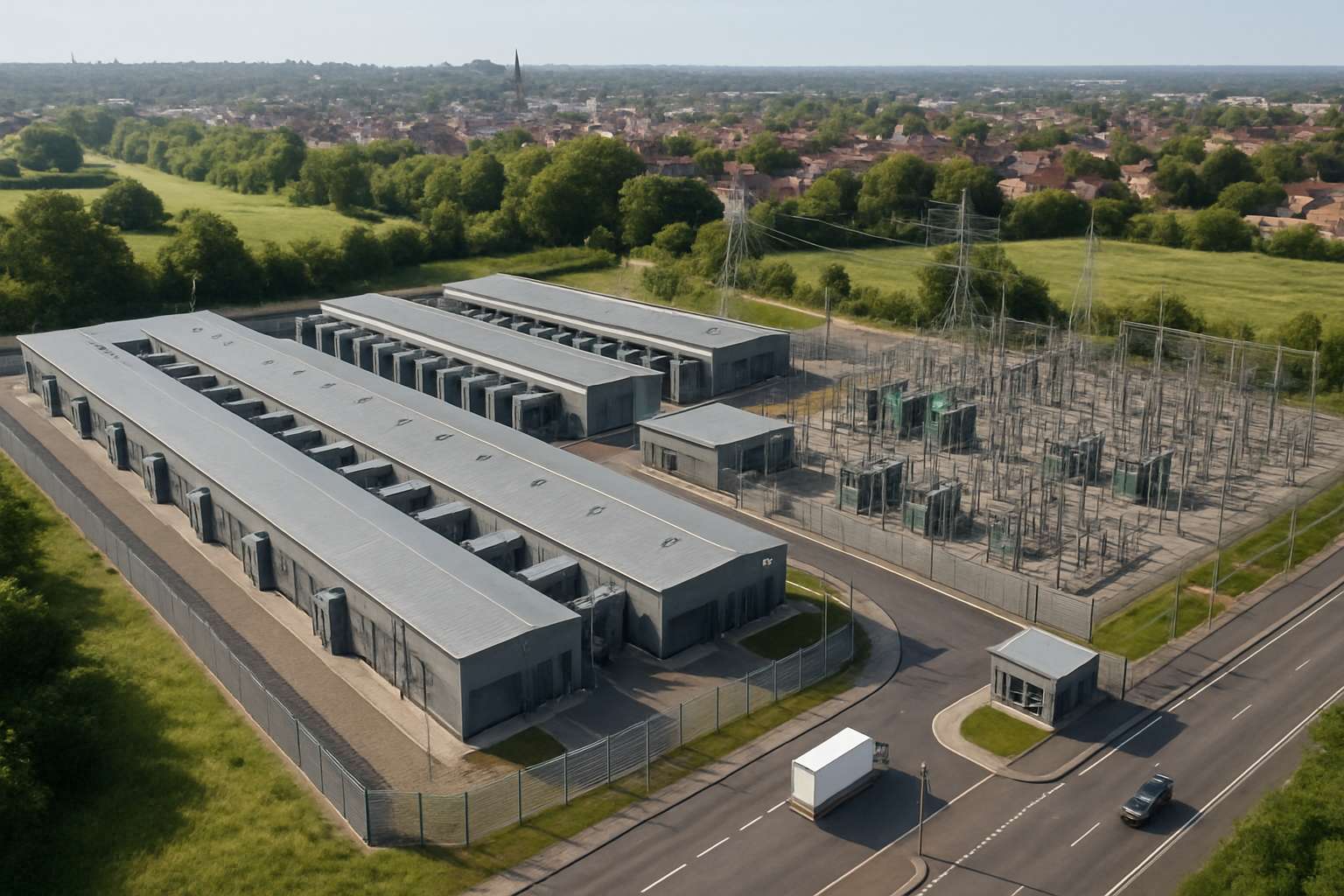
Guardian reporters visited sites tied to the biggest Flagship deals and found a striking absence of steel or staff. Consequently, the paper coined the term Phantom Data Infrastructure to describe promises missing their physical core.
Investigators highlighted several red flags:
- Nscale’s Loughton "supercomputer" site remained a scaffolding yard in early March.
- CoreWeave disclosed GPU deployments in leased halls, not new builds.
- Lanarkshire Growth Zone advertised 500MW capacity, yet hosts roughly 24MW today.
- Government press offices aggregated company numbers without internal auditing.
Investigators noted that each cited investment lacked corresponding capital filings or land transfers. These findings challenged the narrative of swift national resurgence. However, officials insisted the projects remain on schedule despite visible inertia. Such tensions set the stage for deeper scrutiny of governmental oversight.
Government Vetting Lapses Exposed
DSIT officials concede the numbers originate directly from companies. Moreover, the department has no formal mechanism to certify delivery milestones.
Consequently, press releases during the Trump visit accepted company spreadsheets as gospel. In contrast, internal memos show limited cross-checking with local planning portals.
Auditors interviewed by The Guardian warn that such laxity invites Phantom Data Infrastructure to flourish unchecked. Nevertheless, ministers maintain that announcing ambitious targets stimulates real investment and jobs.
Transparency gaps now undermine public confidence. Therefore, policymakers face calls for a mandatory verification registry before touting Flagship deals. Attention then turns to how the companies justify their projections under growing spotlight.
Phantom Data Infrastructure Debate
Academics argue the phrase Phantom Data Infrastructure captures more than marketing bravado. Furthermore, they highlight three structural issues underpinning the debate.
Key concerns include:
- Equipment purchases placed in existing racks create little local value.
- Intent letters inflate investment numbers before planning permission exists.
- Aggregated press statements double-count overlapping Flagship deals.
Consequently, sceptics like Professor Cecilia Rikap describe the phenomenon as economic mirage rather than industrial strategy. Debate continues over whether announcements alone accelerate ecosystem growth. However, the next section shows how companies frame their numbers to win patience.
Companies Defend Numbers Publicly
Nscale executives cite their recent $2bn Series C as proof of market validation. Meanwhile, CoreWeave highlights operational UK GPU clusters delivering petaflop performance to clients today.
Company spokespeople argue that leasing existing halls accelerates deployment, reduces carbon, and counters accusations of Phantom Data Infrastructure. Moreover, they stress that staged capital allows flexibility amid volatile chip supply.
During briefings arranged after the Trump visit, both firms repeated the same message: compute first, concrete later. Consequently, they framed each disclosed investment as conditional on demand growth and grid upgrades. They insisted their announcements rank among the government's leading AI partnerships.
Firms believe transparency exists through customer access to live clusters. Nevertheless, sceptics remain unconvinced, prompting an energy-focused reality check next.
Energy Reality Check Intensifies
Grid experts say energy limits could bottleneck ambitious capacity claims. Additionally, the Lanarkshire zone cites one gigawatt of on-site renewables, yet lacks permits.
Dr Kat Jones calls the figure 'pie in the sky' and warns of stranded assets. In contrast, company engineers argue advanced immersion cooling trims megawatt requirements significantly.
Nevertheless, unresolved grid connections reinforce concerns that Phantom Data Infrastructure may delay real workloads. Therefore, DSIT pledges a technical taskforce to map national power availability this summer.
Energy feasibility stands as the immediate hurdle. Subsequently, policymakers must weigh oversight reforms now debated in Parliament. Those reforms take centre stage in the following section.
Investor Perspective Shift Evident
Despite controversy, Nscale attracted blue-chip backers like Aker and 8090 Industries at a 14.6bn valuation. Consequently, many financiers dismiss short-term delivery slippage as normal for hyperscale roadmaps.
However, analysts caution that unverified Phantom Data Infrastructure could inflate valuations unsustainably. Meanwhile, funds now request audited construction schedules before releasing further investment tranches.
Capital remains available yet conditional on proof. Therefore, improved oversight may unlock funding while protecting taxpayers. That leads to practical industry takeaways.
Practical Takeaways Forward Looking
Enterprise architects and policymakers can extract several lessons from the saga.
Key actions follow:
- Verify land, grid, and planning approvals before celebrating Flagship deals.
- Disaggregate equipment expenditure from construction to avoid Phantom Data Infrastructure pitfalls.
- Implement rolling audits tied to public incentives announced during any future Trump visit.
Professionals strengthen oversight through the AI Security Level 1™ certification.
These actions create auditable pathways and rebuild trust. Consequently, they position the UK to translate hype into hardware.
In summary, the Guardian probe, lax governmental vetting, corporate defenses, and energy realities combine to paint a complex picture. However, improved audit rules, transparent grid data, and investor discipline can still convert promises into tangible megawatts and jobs. Meanwhile, firms gain credibility by separating equipment leases from bricks-and-mortar commitments and publishing milestone reports.
Therefore, readers seeking to guide next-generation projects should adopt the documented checks and pursue recognised security credentials. Act now and share this analysis to promote accountable AI infrastructure across the sector. Nevertheless, collective vigilance remains crucial as future headline agreements emerge amid political fanfare.


