

AI CERTs
5 months ago
U.S. creators gain speed with autonomous video editing pipelines
Generative video once meant isolated smart filters. Today, autonomous video editing pipelines orchestrate entire post-production flows in minutes. Consequently, U.S. creators now compress project timelines from weeks to hours while preserving creative control. Moreover, vendors like Adobe, Google, Descript, and Runway deliver tightly integrated features that analyze, cut, and render without manual drudgery. This article unpacks the trend, market data, benefits, risks, and next-step guidance for professional teams.
Surging Market Growth Trends
Grand View Research estimates the global AI video market at US$3.86 billion in 2024. Furthermore, analysts project US$42.3 billion by 2033, reflecting a 32.2% CAGR. North America leads adoption, driven by platform competition and responsive policy debate. Meanwhile, text-to-video alone could approach US$0.9 billion by 2027, signaling rapid specialization.
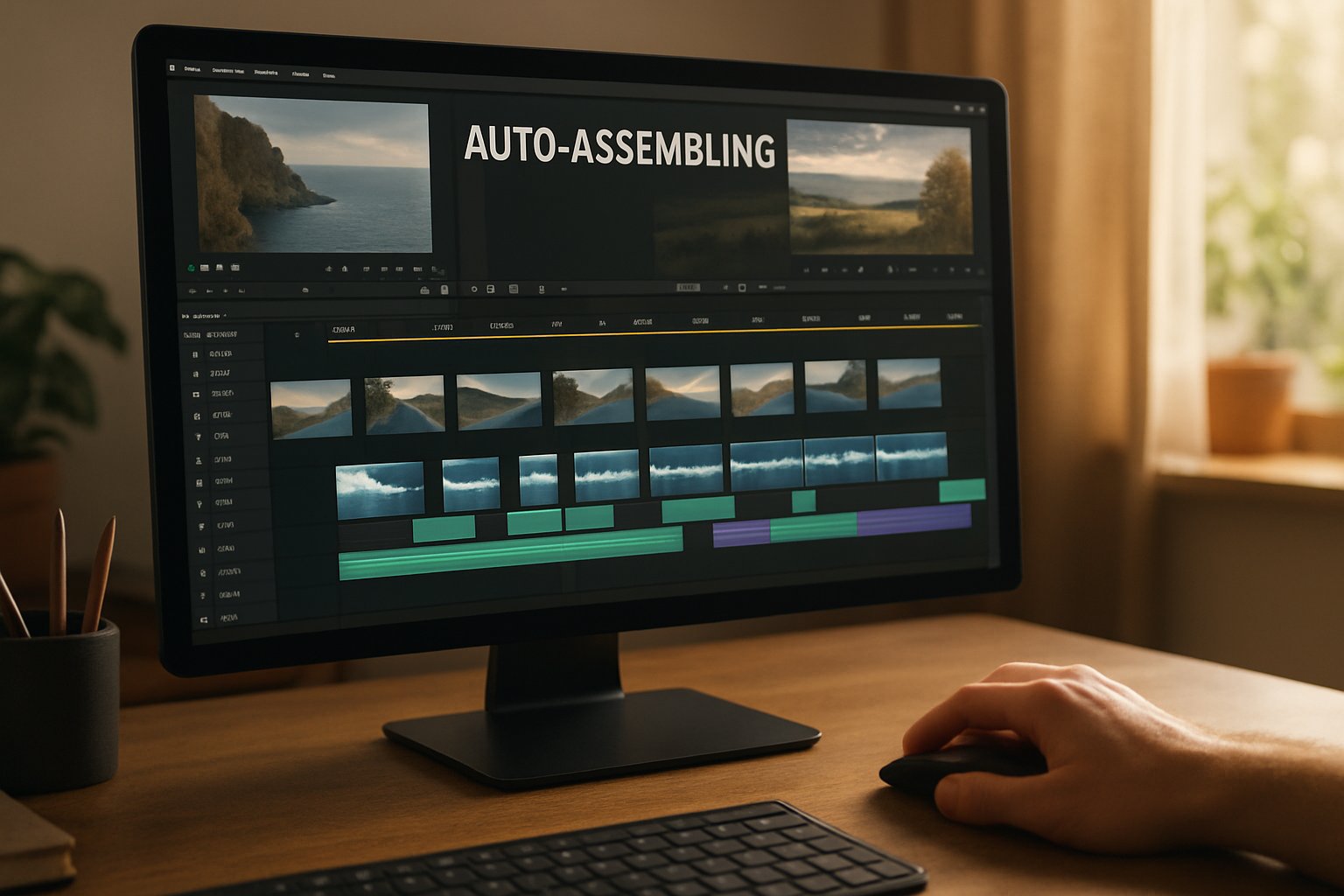
These numbers align with field momentum. Adobe’s April 2025 Premiere Pro 25.2 update introduced Generative Extend, while YouTube integrated Veo tools into Shorts creation mid-2025. Together, these launches validate autonomous video editing pipelines in professional and consumer ecosystems.
- Adobe: Generative Extend fills timeline gaps instantly.
- Google: Veo powers on-platform Shorts drafts.
- Runway: Gen-3 offers photorealistic clip generation.
- Descript: AI Actions automate transcript-based edits.
These vendor moves confirm accelerating investment. However, creators must match hype with measured results. Therefore, understanding concrete pipeline steps is essential.
Core Pipeline Workflow Steps
An autonomous pipeline begins with ingest. The system ingests raw footage, auto-transcribes speech, and tags objects. Subsequently, scene detection proposes usable takes. Next, algorithmic editors apply auto-cuts, transitions, and color matches. Generative engines, such as Adobe’s Firefly Video Model, synthesize missing frames for continuity. Finally, renders produce platform-specific variants and publish them with embedded credentials.
Industry experts stress human oversight before release. Nevertheless, automated first drafts cut repetitive toil. In contrast, traditional manual editing required frame-by-frame review. Two recent case studies recorded 50% cycle reductions after adopting autonomous video editing pipelines. Similar gains surfaced when pairing pipelines with creator automation tools that repurpose assets across formats.
Moreover, AI post-production now integrates provenance metadata. C2PA and Google SynthID embed watermarks, boosting audience trust through traceability. These safeguards mitigate misinformation threats while preserving brand integrity. The workflow steps thus balance speed with responsibility.
Leading Technology Vendors Today
Adobe holds entrenched mindshare among U.S. professionals. Its Premiere Pro roadmap merges Firefly generation and Media Intelligence suggestions directly inside timelines. Meanwhile, Google pushes pipeline capacity into distribution channels. Veo-powered Shorts editing turns YouTube into both studio and broadcaster.
Descript dominates audio-heavy projects. Text-based editing lets teams delete sentences and instantly cut matching video. Consequently, podcast re-cuts shrink from hours to minutes. Runway targets creative effects, offering Gen-series models that edit in context. Additionally, Synthesia, Colossyan, and HeyGen drive localized corporate training with automated avatars.
Competition fuels continual improvement. However, compatibility gaps still exist. Teams therefore combine multiple creator automation tools to craft bespoke autonomous video editing pipelines suited to specific deliverables.
Productivity Gains Realized Fast
Vendor case studies cite dramatic returns. Synthesia reports same-day multilingual training videos that once required weeks. Additionally, Descript users clip social teasers in minutes using AI post-production prompts. A B2B agency documented tenfold output growth after integrating pipelines with cloud render farms.
Key benefits include:
- Repetitive task elimination (auto-cuts, captions, aspect ratios)
- Lower cost per deliverable for solo creators
- Rapid A/B testing of creative variants before campaign spend
- Democratized professional polish without large crews
Moreover, smaller brands now compete with legacy studios on turnaround speed. Consequently, autonomous video editing pipelines level the creative playing field. Yet, quantitative savings vary by genre, so disciplined measurement remains vital.
Key Risks Require Oversight
Automation introduces fresh challenges. Hyper-realistic deepfakes threaten brand trust. Therefore, provenance standards like C2PA matter. Legal uncertainty around training-data licensing also looms. Additionally, generative artifacts may slip past inattentive reviewers, damaging quality.
Labor displacement concerns persist. Nevertheless, many editors pivot toward supervision, story craft, and compliance reviews rather than manual splicing. Meanwhile, the gap between vendor claims and independent audits widens. Professionals should demand transparent benchmarks before scaling investments in creator automation tools.
These challenges highlight critical gaps. However, structured mitigation strategies already exist, guiding actionable next steps.
Creator Action Plan Checklist
Creators can maximize gains while minimizing downsides through disciplined practices.
- Treat AI as co-pilot. Generate first drafts, then review manually.
- Embed content credentials in every export to signal authenticity.
- Run small pilots and track true hours saved versus baseline.
- Establish security checks for voice or face impersonation.
- Maintain fallback workflows to avoid single-vendor lock-in.
Professionals can strengthen security literacy with the AI Security Level 1™ certification. Moreover, pairing formal training with AI post-production experimentation fosters resilient expertise. Consequently, the checklist equips teams for sustainable adoption of autonomous video editing pipelines.
Conclusion And Future Outlook
Autonomous video editing pipelines now redefine speed, scale, and creativity for U.S. content teams. Market data confirms explosive investment, while vendor innovation accelerates workflow integration. Furthermore, creator automation tools and AI post-production features jointly slash repetitive labor. Nevertheless, provenance, legal clarity, and quality control demand disciplined oversight.
Therefore, teams should embrace pilot programs, embed credentials, and upskill continuously. Explore certifications, evaluate metrics, and iterate processes. Adopt pipelines today to stay competitive tomorrow.
Disclaimer: Some content may be AI-generated or assisted and is provided ‘as is’ for informational purposes only, without warranties of accuracy or completeness, and does not imply endorsement or affiliation.


