

AI CERTS
3 hours ago
Samsung Messages Exit Reshapes U.S. Galaxy App Ecosystems
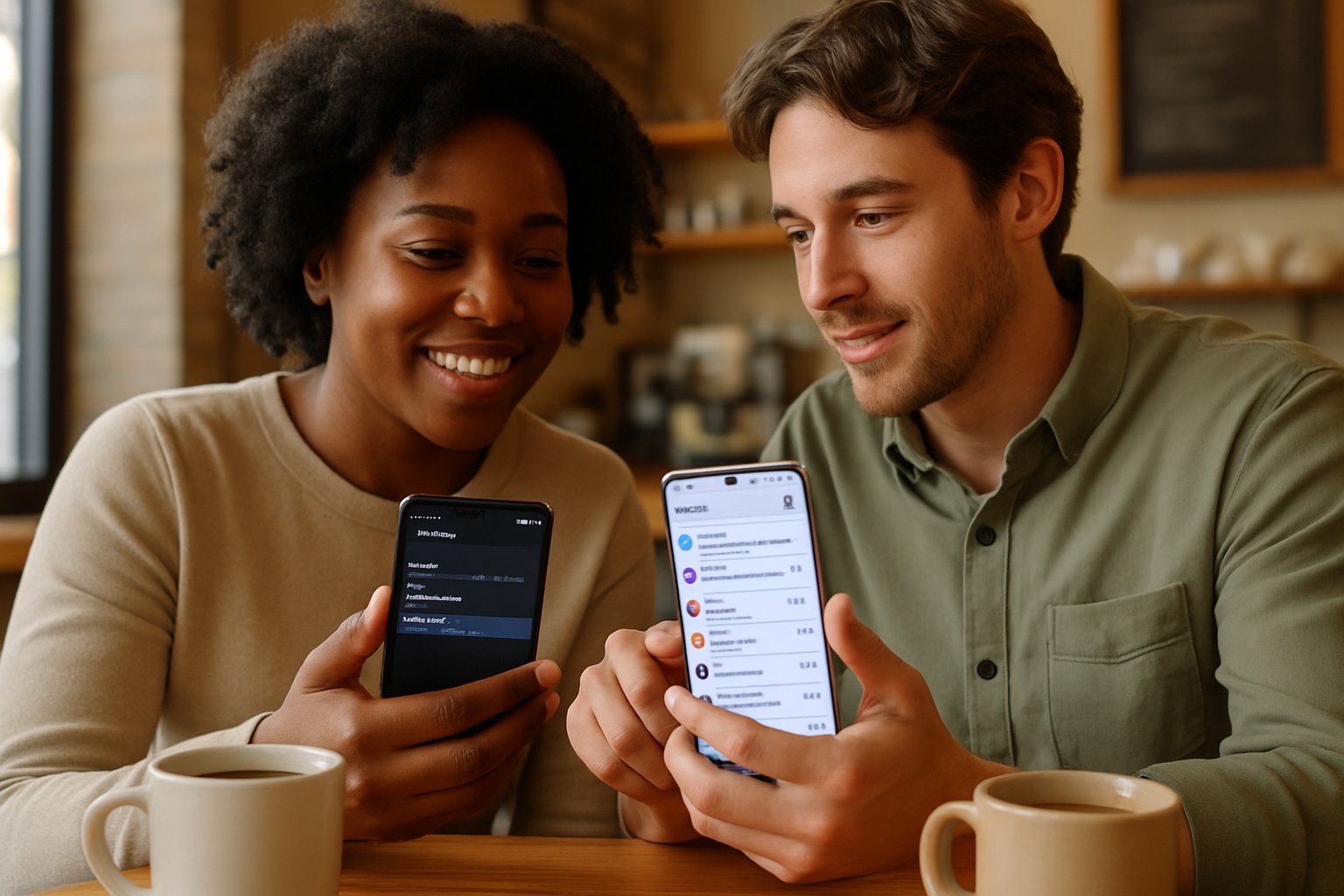
StatCounter places Samsung’s U.S. smartphone share near 22 percent, equating to roughly 70 million devices.
Therefore, the end-of-service notice reaches deep into American pockets and corporate fleets alike.
Meanwhile, community threads overflow with feedback, celebrating RCS benefits yet lamenting lost customization.
This article unpacks the market impact, technical drivers, and strategic ripple effects inside modern App Ecosystems.
Finally, readers gain practical migration guidance and links to career-growing certifications.
U.S. Market Impact Scale
First, sizing the affected pool clarifies urgency.
Statista projects 317 million smartphone users in 2025 across the United States.
In contrast, the company claims roughly 22 percent vendor share, translating to about 70 million handsets.
Moreover, many corporate mobility programs standardize on Galaxy models for security and support guarantees.
Meanwhile, carriers must verify backend profiles to prevent fallback to SMS during the switch.
Consequently, the messaging handoff touches consumers, enterprises, and carriers simultaneously.
End-of-service applies only to Android 12 or newer builds.
Nevertheless, older devices may still lose watch synchronization when contacts migrate.
The vendor warns that switching could temporarily disrupt RCS conversations on hardware released before 2022.
Additionally, users must confirm carrier RCS provisioning to avoid delivery gaps.
These numbers and caveats frame the scale.
Roughly one fifth of America’s smartphones now face a forced client update.
However, precise counts require company disclosure, a point awaiting further clarification.
Next, we explore the technical motives driving this consolidation.
Key RCS Transition Drivers
Rich Communication Services replaces legacy SMS and MMS with encryption, typing indicators, and high-quality media.
Google’s client currently delivers the most complete RCS Universal Profile on Android.
Therefore, the vendor chose partnership over parallel development, citing faster updates and Gemini integration.
Moreover, one consolidated client simplifies testing across carriers and devices.
App Ecosystems benefit when fragmentation falls and feature parity rises.
Core RCS Features Overview
The switch unlocks end-to-end encryption for one-on-one chats by default.
Additionally, users gain larger file transfers, improved group controls, and AI-powered smart replies.
Meanwhile, Gemini can summarize threads and generate image remixes within Google’s client.
Consequently, the vendor positions the migration as an upgrade, not a removal.
These capabilities align with broader App Ecosystems goals around sticky, cross-device services.
RCS advantages explain the timeline and marketing language.
Subsequently, we address the community reaction brewing online.
Major User Concerns Voiced
Despite promised upgrades, forums highlight frustration and fear of lost personalization.
Reddit threads show users posting screenshots of themed Samsung Messages bubbles missing in Google’s client.
Moreover, Galaxy Watch3 owners worry about limited conversation history after July 2026.
In contrast, power users praise RCS encryption yet still submit critical feedback about transition pain.
Consequently, sentiment splits between convenience seekers and customization loyalists.
Wearable Compatibility Gaps List
Tizen-based watches cannot install Google’s client, leaving only basic SMS relay.
Additionally, the notice states these watches will not display entire chat history once the mobile client changes.
Therefore, professionals reliant on quick wrist replies must plan hardware refresh cycles.
- Loss of custom themes and folders.
- Potential RCS disruption during migration.
- Watch conversation history limitations.
Survey data from Android Central indicates 43 percent of respondents plan to try alternative SMS clients.
These complaints underline the emotional cost behind technical progress.
However, strategic motivations still dominate corporate decision making, as our next section explores.
Strategic App Ecosystem Implications
Device vendors today compete through integrated service stacks rather than raw hardware specifications.
Consequently, handing messaging control to Google reshapes competitive leverage between Android manufacturers.
App Ecosystems that rely on shared communication layers can innovate faster when duplication ends.
However, outsourcing core apps surrenders differentiation and data insights.
The company’s choice signals a willingness to prioritize interoperability over proprietary tweaks.
Meanwhile, Google consolidates user engagement, strengthening advertising and cloud positions.
Moreover, carriers may welcome simplified certification testing and lower support tickets.
In contrast, third-party SMS developers fear reduced market visibility due to default changes.
App Ecosystems evolution often creates winners and losers, echoing browser wars lessons.
Developers targeting in-app commerce may soon embed rich chat widgets that leverage the universal client APIs.
These macro dynamics set the scene for practical migration tactics.
Strategic gains appear clear for both giants.
Next, we turn to concrete steps users should follow before July 2026.
Practical Migration Advice Checklist
Preparation reduces downtime and protects chat history.
Additionally, enterprise mobility teams should pilot the new client on a small device pool first.
Back up SMS archives and confirm RCS chat status using carrier diagnostic codes.
Moreover, verify watch firmware versions to anticipate conversation visibility limits.
App Ecosystems best practices stress phased rollouts, clear communication, and measured user feedback.
- Open Settings → Apps → Default Apps → SMS and select Google’s client.
- Toggle RCS Chat features and run a test message.
- Update carrier services and reboot the device.
- Check watch pairing after reboot.
Nevertheless, older Galaxy models on Android 11 remain exempt and may retain the legacy client.
IT desks should update knowledge base articles and schedule internal webinars ahead of enforcement.
Therefore, project managers must map fleet OS versions before enforcing deadlines.
Following these checks ensures smoother cutover with minimal revenue impact.
Subsequently, professionals can upskill to capture new support opportunities.
Certification And Skills Upside
Market transitions create demand for certified support professionals.
Moreover, contact center leaders must master conversational AI and RCS configuration.
App Ecosystems evolve rapidly, and verified skills help talent stay ahead of platform shifts.
Professionals can enhance expertise with the AI Customer Service™ certification.
Consequently, graduates gain credentials in experience design, sentiment analysis, and cross-channel escalation procedures.
Additionally, teams deploying Google’s client can leverage certified staff to write migration playbooks and collect structured feedback.
In contrast, ignoring skill development risks prolonged outages and reputational damage.
Skills investments future-proof operations and energize careers.
Finally, we conclude with key lessons for technology planners.
Final Takeaways And Outlook
Samsung’s messaging sunset illustrates how platform consolidation rewires mobile communication.
Consequently, roughly 70 million American devices will pivot toward Google’s client over the next two years.
Moreover, RCS advantages promise richer media, encryption, and AI convenience.
Nevertheless, customization loss, wearable gaps, and regional hurdles remain serious planning factors.
Technology leaders should run phased pilots, monitor user feedback, and secure certified talent.
Therefore, proactive governance will protect customer trust while unlocking new revenue pathways.


