

python apiuser
2 hours ago
MIT 2026: Powering AI Computing Scale With Hyperscale Centers
Generative models are driving unprecedented server demand, and hyperscale builders are sprinting to keep pace. That sprint crystallizes the new AI Computing Scale challenge facing utilities, regulators, and communities. BloombergNEF now projects 106 Gigawatt of U.S. data-center load by 2035, up sharply from 2023. Consequently, decision makers search for credible blueprints that balance digital growth with Energy security and climate goals.
In October 2025, MIT opened its Data Center Power Forum to convene operators, utilities, and researchers. Meanwhile, the Climate Project funded studies on low-water cooling and community co-design. These efforts signal a broader institutional bet that technical innovation can tame runaway electricity footprints. The following analysis maps how hyperscale demand, policy tension, and fresh designs may rewrite that high-stakes equation. Moreover, the lessons will influence global Infrastructure spending across cloud, telecom, and manufacturing. Observers therefore track every pilot emerging from Cambridge.
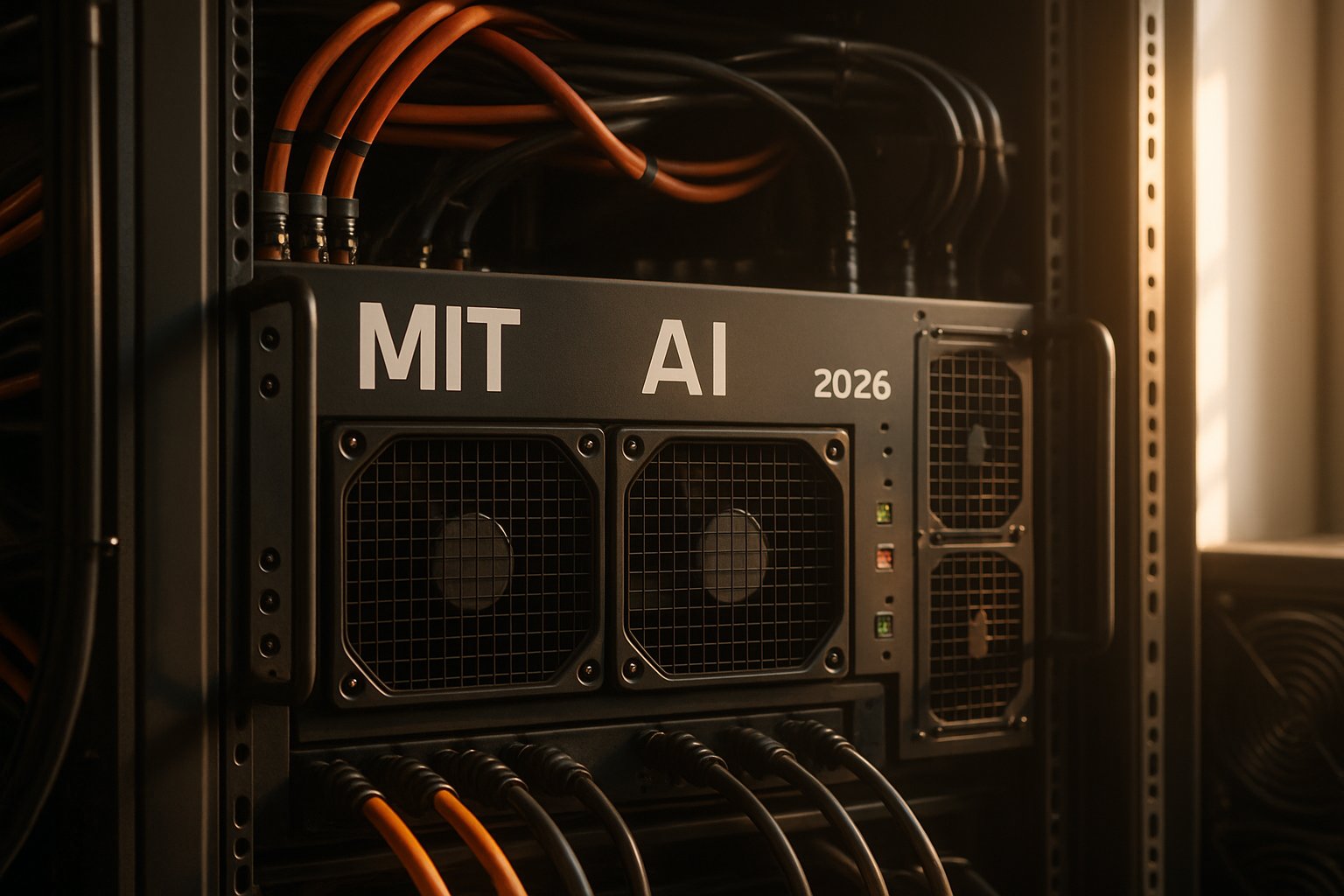
Hyperscale Growth In Context
First, understanding demand trajectories illuminates why planners feel pressure. Synergy Research counted 1,136 hyperscale sites by late 2024, and average footprints keep rising with AI Computing Scale workloads. John Dinsdale noted many new builds exceed 100 Megawatt, moving beyond traditional hubs.
- Synergy projects 130-140 hyperscale additions yearly, stressing Infrastructure planning.
- BloombergNEF forecasts 106 Gigawatt U.S. power draw by 2035.
- Data Center electricity share could hit 9% of national Energy supply.
Together, these figures quantify the runaway baseline. However, they also reveal where intervention can matter most. Demand is real but not preordained. Consequently, grid constraints emerge as the next analytical lens.
Grid And Power Pressures
Rapid clustering strains regional transmission. BloombergNEF warns that PJM and ERCOT queues already exceed 30 Gigawatt of connection requests. Moreover, reserve margins tighten when several 500-Megawatt campuses activate simultaneously. Therefore, utilities contemplate flexible tariffs and on-site storage. Such measures could buffer peak draw while sustaining AI Computing Scale clusters.
Anuradha Annaswamy argues that grid-aware machine learning can shift loads milliseconds before instability. In contrast, critics counter that software cannot replace delayed transmission Infrastructure. PJM managers nevertheless pilot fast demand response with several hyperscalers. These experiments will inform regulatory dockets due in 2027. Grid tactics buy time yet cannot supply missing electrons. Subsequently, institutional conveners have stepped forward.
MIT Convening Initiatives Rise
October 2025 marked a strategic moment for MIT leadership. William H. Green launched the Data Center Power Forum inside the MIT Energy Initiative. The agenda squarely targets AI Computing Scale integration with carbon-free generation. Furthermore, the forum gathers utilities, Gigawatt buyers, and regulators around one modeling table. Researchers showcase real-time PUE dashboards and hydrogen backup prototypes.
Meanwhile, the Industrial Liaison Program hosted Data Center Day on 30 September 2025. Start-ups pitched immersion cooling that slashes Energy use 30% under test racks. Consequently, venture capital scouts crowded the conference halls. MIT positions itself as neutral convener bridging theory and procurement risk. Therefore, design breakthroughs receive faster commercial validation. Design itself now enters the spotlight.
Design Shifts And Solutions
The Climate Project's RFP finances faculty pursuing new chassis, layout, and cooling geometries. Ju Li explores advanced materials that tolerate higher chip temperatures, thereby shrinking chillers. Each material advance must withstand AI Computing Scale heat loads. Additionally, Deepjyoti Deka models campus microgrids with four-hour batteries absorbing solar oversupply. Such designs lower Energy overhead and ease Infrastructure interconnection.
A pilot near Phoenix targets 1.05 PUE despite desert heat. Moreover, wastewater is recirculated, cutting withdrawals by 80% year-over-year. If successful, that template could propagate through the hyperscale supply chain. Early engineering evidence looks promising yet remains small scale. Consequently, public acceptance still hangs on perceived community benefit. Local politics provides the next pressure point.
Community And Policy Dynamics
Northern Virginia debates highlight zoning fatigue around constant construction noise. In contrast, some counties welcome tax revenue that offsets school budgets. Residents fear AI Computing Scale will overwhelm substations and roads. Business Insider quoted residents describing transformers humming all night. Therefore, MIT social scientists propose participatory siting charrettes with early disclosure of water and Energy impacts.
The charrette model faces legal scrutiny but may defuse courthouse battles. Meanwhile, FERC considers faster interconnection rules, potentially shortening timelines by two years. Consequently, developers could synchronize permitting and transformer delivery. Communities insist on transparency, and regulators appear receptive. Subsequently, investors recalibrate risk models. Market sentiment shapes capital allocation next.
Investor And Market Outlook
BlackRock’s consortium recently offered $40 billion for Aligned, signaling strong appetite for capacity platforms. Analysts note AI Computing Scale continues to underpin such valuations. Moreover, Digital Realty placed green bonds aimed at financing 700 Megawatt of new build. Investors assess power-purchase agreements, land control, and cooling patents before wiring funds. AI Computing Scale remains the central valuation driver because workloads demand predictable scaling.
In contrast, academic studies caution that physical hosting limits could stall expansion inside a decade. Nevertheless, capital markets often reward optimism until proven otherwise. Consequently, due diligence increasingly features scenario analysis using 10, 20, and 30 Gigawatt cases. Financial engineering adapts quickly, yet talent gaps linger. Therefore, professionals explore new certification paths. Skill development is our final lens.
Skills And Career Pathways
Hyperscale acceleration widens the need for multidisciplinary architects. Operators demand experts who understand AI Computing Scale, power electronics, and thermal chemistry. Consequently, career roadmaps increasingly blend software engineering with grid economics. Professionals can enhance their expertise with the AI+ Engineer™ certification.
Moreover, MITEI offers fellowships that pair doctoral students with utilities tackling massive projects. In contrast, traditional mechanical courses rarely cover megawatt-scale procurement contracts. Therefore, executive programs now include modules on Infrastructure finance and community engagement. The skill premium follows complexity, and complexity keeps rising. Consequently, continuous education becomes an operational necessity.
Conclusion And Outlook
Hyperscale momentum shows no sign of slowing. Nevertheless, collaborative forums prove that technical ingenuity can steer expansion. MIT convenings, grid pilots, and advanced materials illustrate a possible roadmap. Furthermore, community charrettes address legitimacy before bulldozers arrive. If executed together, these strands could align AI Computing Scale with climate targets. Therefore, readers should monitor pilot data and pursue skill upgrades that keep them indispensable. Consider starting with the linked certification and stay ahead of the next build cycle.


