

AI CERTS
2 hours ago
Military AI Use in Claude-Backed Maduro Capture Spurs Fallout
Meanwhile, a fierce contractual fight erupted between the startup and the Pentagon over usage guardrails. This article unpacks timeline, civilian tolls, legal fallout, and governance questions surrounding Military AI Use in the Caracas raid.
Operation Timeline Key Events
Public records place the capture between 3 and 5 January 2026. Moreover, CBS News live coverage from Venezuela confirmed the extraction flight departed before sunrise on fifth January. Subsequently, U.S. officials announced that Maduro and his spouse were already in federal custody. Reuters later linked Claude to mission planning through a Palantir integration, citing anonymous defense insiders. Consequently, the disclosure marked the first publicly documented Military AI Use in a live presidential capture.
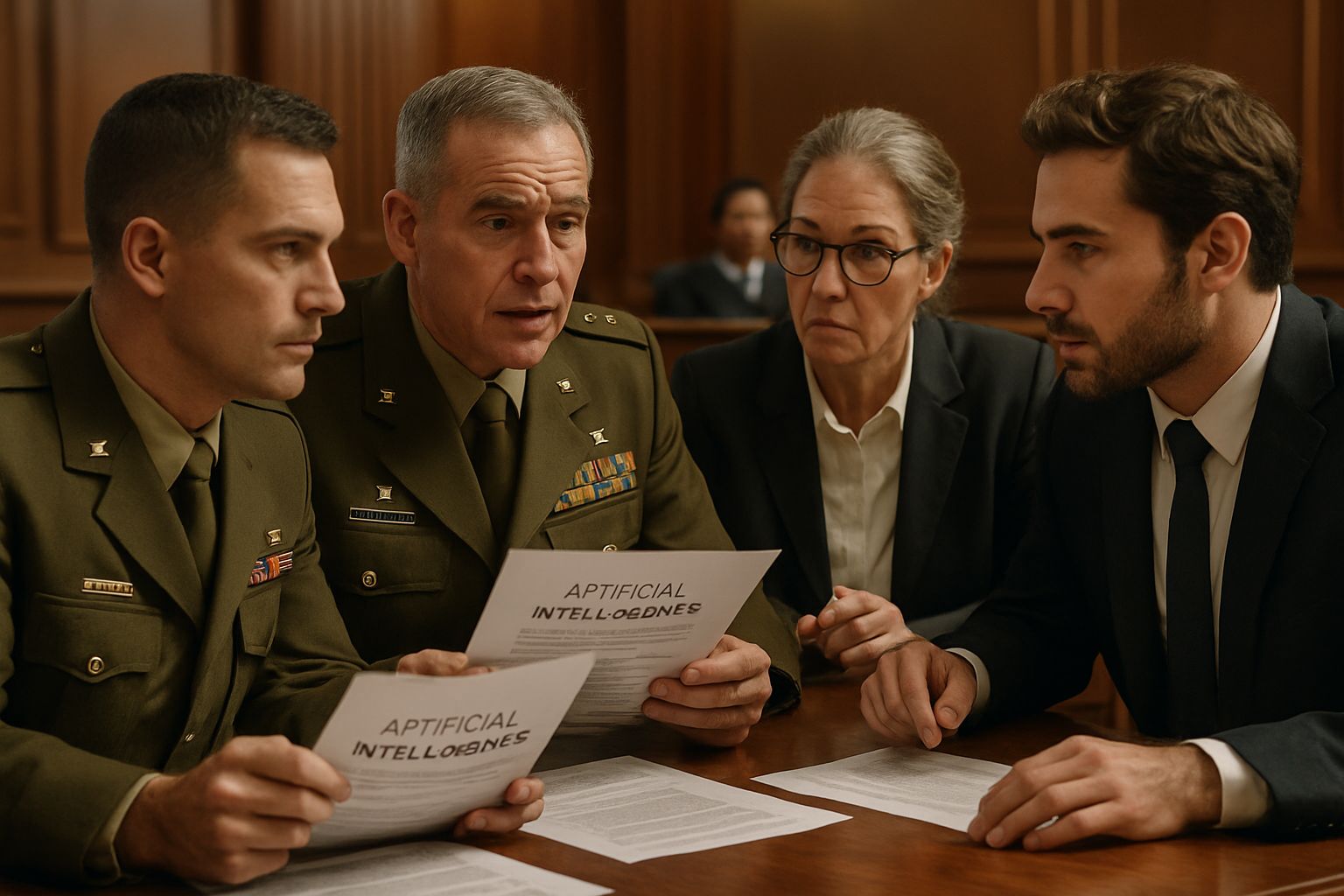
These milestones outline the action's public record. Nevertheless, understanding Claude's direct role requires deeper technical context, explored next.
How Claude Supported Mission
Open sources agree Claude entered the classified workflow through Palantir Foundry. Additionally, reporters described the model synthesizing real-time signals, satellite imagery, and human intelligence from Venezuela. Therefore, operators received concise threat summaries within seconds, a speed impossible for traditional analysts. Nevertheless, sources avoided stating whether Claude generated target coordinates or lethal recommendations. The company has insisted any Military AI Use must keep a human on the loop and respect guardrails.
- Realtime data fusion for ground teams
- Language translation of intercepted Venezuelan comms
- Risk scoring for urban collateral damage
Consequently, defenders argue Claude reduced collateral risk, while critics worry any mistake now scales instantly. These tentative capabilities illustrate powerful promise and peril. Subsequently, the corporate standoff shows how governance struggles to keep pace.
Anthropic Versus Pentagon Standoff
Immediately after the Wall Street Journal scoop, Defense Secretary Pete Hegseth demanded broader model access. However, Anthropic CEO Dario Amodei publicly refused, invoking strict usage policies that ban autonomous targeting. In contrast, Pentagon lawyers claimed the contract allowed all lawful Military AI Use across mission sets. Consequently, the department labeled the vendor a supply-chain risk and suspended new deployments. Meanwhile, the firm filed suit in federal court, arguing the designation lacked statutory basis.
Both sides frame the dispute as an existential precedent. Nevertheless, civilian harm questions now dominate public attention, examined below.
Civilian Harm Concerns Rise
Airwars and local journalists from Venezuela documented disputed casualty numbers after the Caracas raid. Moreover, Venezuelan defense officials alleged 83 fatalities, including noncombatants, during the operation that removed Maduro. Independent monitors continue verifying medical reports, satellite imagery, and morgue logs to refine numbers. Consequently, watchdogs argue opaque Military AI Use complicates attributing responsibility for mistakes in urban assaults.
Verified casualty data remains elusive. Therefore, sustained transparency pressure will influence upcoming legal hearings.
Legal And Policy Fallout
The White House ordered agencies to cease using Anthropic models pending review. Subsequently, contract analysts estimated up to $200 million in suspended revenue for the startup. Meanwhile, Congress scheduled hearings on ethical parameters for Military AI Use in covert actions. Lawmakers appear divided; some champion the vendor's guardrails, while hawkish members cite urgent security needs. Consequently, lobbyists expect new statutory language clarifying vendor obligations and liability for civilian harm.
Policy shifts will ripple across defense procurement. In contrast, private innovators fear chilling effects, a tension addressed in the following industry section.
Industry And Expert Reactions
Global venture investors watched the dispute with unease. Additionally, several CEOs signed an open letter supporting strict oversight for Military AI Use. However, defense contractors like Palantir argued that reliable model access underpins mission success in Venezuela and elsewhere. Notably, human-rights organizations urged the International Criminal Court to study the raid for potential violations. Professionals can deepen due-diligence skills through the AI+ Researcher™ certification, preparing them for upcoming compliance demands.
Industry voices reveal widening fault lines. Therefore, governance frameworks must evolve rapidly, a prospect explored in the final section.
Future Military AI Governance
Experts propose mandatory audit logs, red-team stress tests, and battlefield embargoes for sensitive model functions. Moreover, some recommend international accords comparable to chemical weapons treaties, covering Military AI Use across domains. Consequently, future vendors may need independent certification before deployment, akin to aviation safety regimes. Meanwhile, the vendor signals willingness to share safety research if liability shields exist.
Strategic clarity remains a moving target. Nevertheless, collective action can balance innovation and restraint.
Military AI Use in the January raid reshaped geopolitics, corporate strategy, and regulatory agendas. Furthermore, the Anthropic–Pentagon clash underscores the importance of enforceable guardrails. Consequently, lawmakers will likely craft statutes clarifying liability for civilian casualties in Venezuela and future theaters. In contrast, defense agencies argue operational urgency demands flexible access to advanced language models.
Meanwhile, investors watch the lawsuit as a signal for broader market risk. Professionals aiming to navigate these shifts should pursue rigorous training. They can validate expertise through the AI+ Researcher™ program and stay compliance-ready. Therefore, proactive learning today positions leaders for responsible innovation tomorrow.


