

AI CERTS
2 days ago
Lancaster’s School Deepfake Scandal Exposes AI Abuse Risks
Case Overview And Details
Investigators recovered roughly 347 synthetic images and clips. Moreover, at least 59 girls under 18 were identified as victims. Prosecutors used Pennsylvania’s 2024 statute treating AI sexual depictions of minors as child sexual abuse material. Therefore, each boy faced 59 felony counts for manufacturing CSAM plus conspiracy charges. They accepted delinquency findings earlier in March to avoid trial. Nevertheless, the judge opened disposition proceedings to underline public stakes.
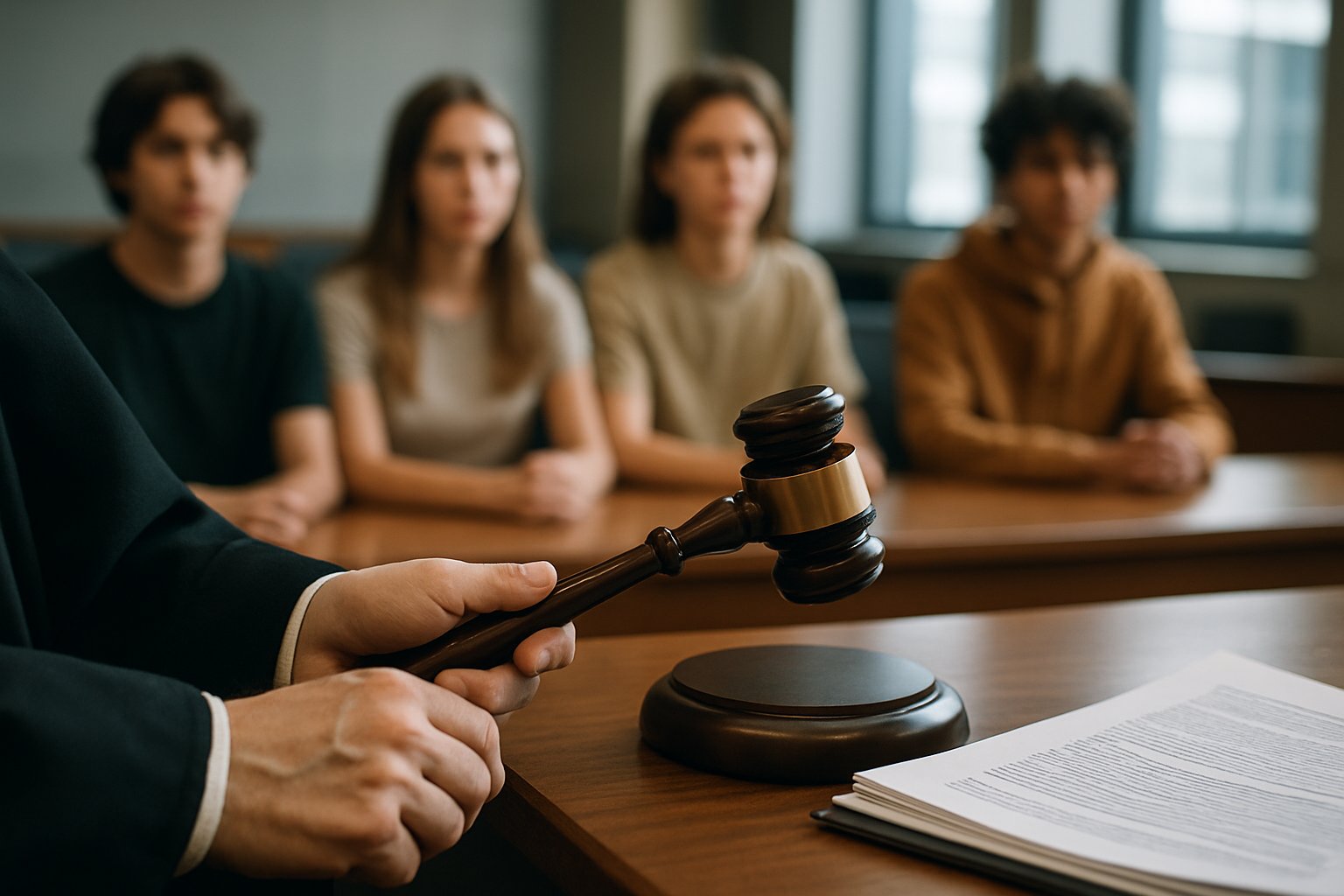
Attorney General Dave Sunday emphasized mental-health harms. “Technology was weaponized against children,” he said. Furthermore, Senior Deputy Attorney General Janie Swinehart read victim statements describing panic attacks and lost trust. The School Deepfake Scandal drew national media, intensifying debate over platform safeguards.
These facts highlight prosecutorial resolve. However, community fallout extended far beyond the courthouse.
Timeline And Discovery
Problems surfaced in November 2023 when an altered image circulated among students. Subsequently, an anonymous Safe2Say tip alerted Lancaster Country Day School. Administrators investigated but struggled to trace the source. Meanwhile, Discord channels kept spreading new deepfakes through 2024. Parents learned details months later and organized protests demanding accountability.
Key milestones include:
- December 2024 – Formal charges filed after police seized devices.
- March 2026 – Guilty admissions entered in juvenile court.
- 25 March 2026 – Sentencing imposed with public access.
The School Deepfake Scandal timeline underscores rapid creation abilities of consumer AI tools. Consequently, investigators must now act sooner and coordinate with platforms.
Swift incident mapping clarifies evidence gaps. In contrast, delayed responses can deepen victim trauma.
Legal Framework Explained
Pennsylvania lawmakers anticipated synthetic abuse risks in 2024. They amended child-protection statutes to include AI-generated explicit images of minors. Consequently, prosecutors faced little ambiguity when charging the teens. At the federal level, the 2025 TAKE IT DOWN Act compels platforms to remove nonconsensual intimate imagery quickly.
However, juvenile courts prioritize rehabilitation. Judge Brown balanced deterrence with second chances. Restorative terms align with Juvenile Justice principles focusing on growth rather than retribution. Victims’ families argued the penalties felt light. Nevertheless, the order mandates counseling payments and community service designed to educate offenders about consent.
Juvenile Justice System Lens
Researchers note that adolescent brains assess risk differently. Moreover, records can be sealed, preserving future opportunities. Critics counter that digital harm persists online indefinitely. Therefore, policymakers debate whether deeper custody periods or adult transfers should apply in severe AI Harassment cases.
The School Deepfake Scandal thus becomes a bellwether. Consequently, other jurisdictions may revisit sentencing guidelines.
Technology Behind The Offense
Open-source “nudify” models powered the images. Additionally, the teens scraped yearbook photos, Instagram selfies, and FaceTime screenshots for source faces. Drag-and-drop generators handled the rest, producing convincing nudes in minutes. Deepfake detection tools lag behind new synthesis techniques. Therefore, schools lack reliable screening software.
Cyber-forensics teams traced file hashes and Discord metadata to build their case. Meanwhile, takedown requests flooded social platforms. Privacy advocates warn that automated removals remain imperfect, especially when content migrates between smaller servers.
The School Deepfake Scandal illustrates escalating AI Harassment threats. Moreover, enterprises fear similar attacks against employees. Professionals can enhance their expertise with the AI Legal Specialist™ certification.
Technical realities drive urgent investment. However, technology alone cannot repair emotional damage.
Community Impact Response
Victims described lasting anxiety, shame, and concentration problems. Consequently, Lancaster Country Day School hired additional counselors and updated digital conduct policies. Several administrators resigned amid criticism over delayed notifications.
Parents retained civil litigator Nadeem Bezar. He plans to subpoena emails and Safe2Say records. Moreover, families question whether earlier intervention could have reduced exposure. Local nonprofits now host workshops on Privacy hygiene and AI Harassment awareness.
Key stakeholder reactions include:
- Students staged walkouts demanding stricter device bans.
- Teachers requested clearer reporting chains for NCII.
- Lawmakers scheduled hearings on deepfake education funding.
The School Deepfake Scandal galvanized community activism. Consequently, broader cultural norms around consent enter classroom discussions.
Such engagement fosters resilience. Nevertheless, systemic safeguards remain uneven.
Future Policy Questions
Experts foresee tougher platform liability regimes. Additionally, mandatory watermarking of synthetic media could aid detection. In contrast, civil-liberties groups caution against overbroad censorship that chills creative expression. Therefore, balanced standards must emerge.
Schools weigh monitoring software against student Privacy rights. Strengthening Schoolwide Privacy measures requires transparent data governance and parental oversight. Moreover, curriculum updates should teach critical media literacy alongside digital ethics.
Strengthening Schoolwide Privacy
Proposed steps include multi-tier reporting protocols, rapid evidence preservation, and survivor-centered counseling budgets. Furthermore, collaboration with law enforcement should respect Juvenile Justice safeguards.
The School Deepfake Scandal keeps momentum alive for legislative refinement. Consequently, stakeholders must align technical, legal, and psychosocial resources.
These policy debates pave strategic paths. However, timely implementation determines real-world impact.
Conclusion And Outlook
Lancaster’s case demonstrates how cheap AI tools can inflict profound harm. Moreover, the juvenile court balanced accountability with rehabilitation, reflecting evolving Juvenile Justice thinking. The School Deepfake Scandal spotlighted AI Harassment dangers, Privacy vulnerabilities, and the urgent need for stronger safeguards. Consequently, companies and schools should audit policies, deploy detection tools, and train staff.
Professionals seeking deeper insight can pursue the AI Legal Specialist™ credential. Take proactive steps now and help build a safer digital future.


