

AI CERTS
2 days ago
Kerala Elections Test AI Public Surveillance at Polling Queues
AI Monitors Poll Queues
Kerala’s Chief Electoral Officer confirmed the shift from laptop webcams to networked PTZ cameras. Furthermore, the system pushes real-time images to analysts who validate automated counts. Each alert includes booth ID, time stamp, and estimated wait. Therefore, response teams can dispatch extra staff or arrange chairs and water quickly. Observers note that this deployment embeds Public Surveillance deep inside electoral logistics.
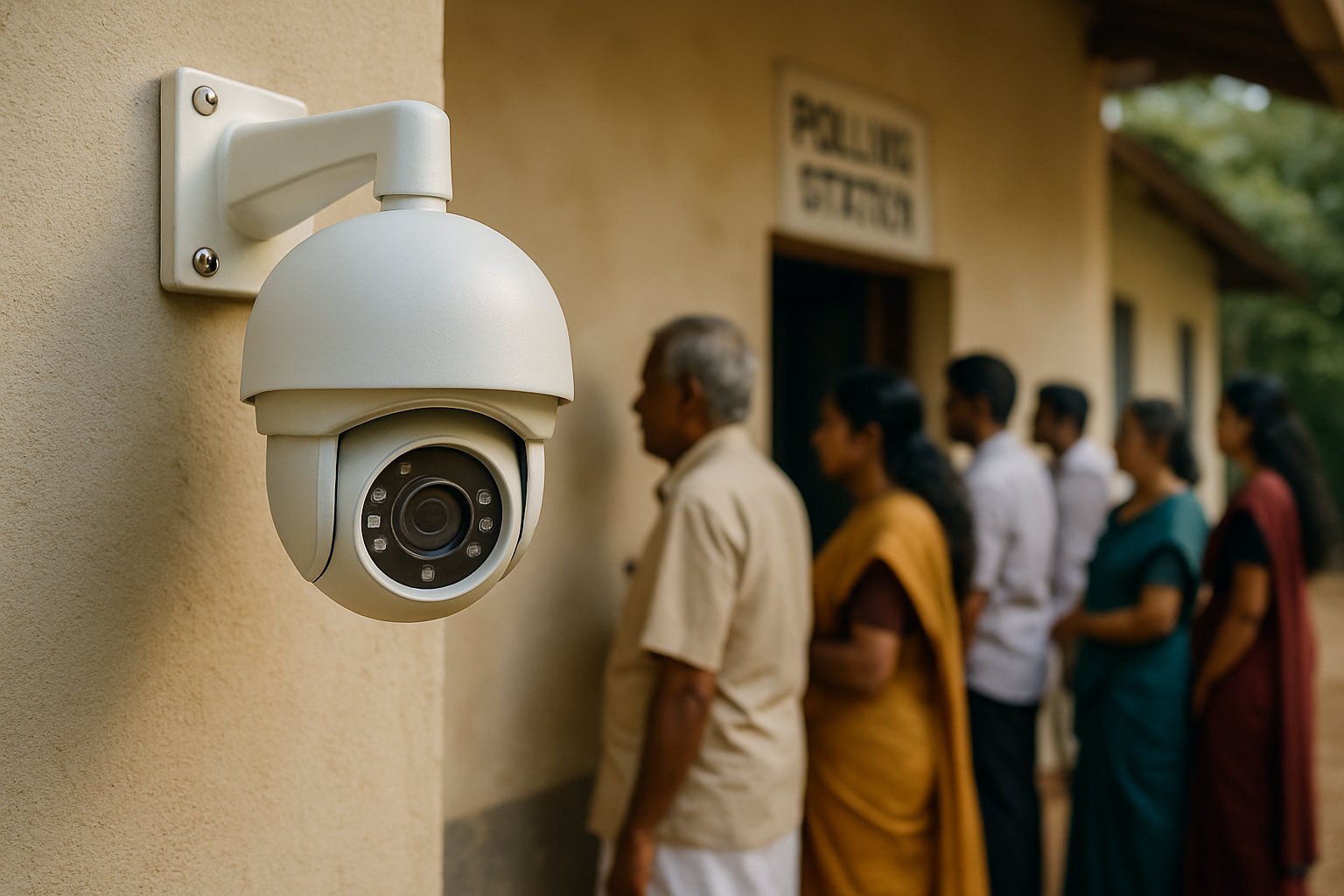
Early field reports suggest reduced abandonment rates. However, rigorous data on average wait reduction is pending publication. These initial gains indicate operational promise. Yet rigorous audits remain essential before statewide scaling.
High Court Mandate Pushes
The Kerala High Court vaulted the project forward on 31 October 2025. Justice P. V. Kunhikrishnan ordered officials to build a queue-monitoring mobile app. Additionally, the bench demanded basic amenities at booths. The judgment called long delays “the death knell of democracy.” Subsequently, the State Election Commission drafted a “Voter Queue Monitoring and Management System.” The plan links booth clerks, mobile dashboards, and the AI alert panel. Through this legal pressure, Public Surveillance gained judicial legitimacy.
These directives underline the judiciary’s growing influence over election technology. In contrast, earlier rollouts relied mainly on administrative circulars. Legal backing now compels clear service-level benchmarks. Consequently, citizens should soon access real-time queue data on smartphones.
Technology Stack And Scale
Officials plan to webcast from 30,471 stations during the 2026 assembly polls. Edge-ready IP cameras feed local NVRs, while cloud dashboards consolidate analytics. Moreover, vendors claim hybrid inference slashes bandwidth and latency. A 2024 case study cited 1,050 units from the TP-Link VIGI series. Since then, procurement files show larger orders with AI modules bundled. These facts demonstrate the sheer scale of Public Surveillance infrastructure.
Edge Versus Cloud Tradeoffs
Edge processing keeps raw footage on-site, reducing exposure. However, cloud models improve accuracy through aggregated learning. Consequently, Kerala has adopted a mixed pathway. Sensitive booths stream only metadata, while hyper-sensitive sites send full feeds for central oversight. Engineers still debate the optimal balance.
Key technical highlights:
- PTZ lenses zoom to capture crowd contours without entering voting compartments.
- Computer-vision models count heads and flag motion anomalies in under two seconds.
- Encrypted tunnels connect district hubs to the central war room for oversight.
These features boost resilience. Nevertheless, cybersecurity experts urge penetration testing before each major election cycle. Such audits would help validate defences and protect voter trust.
Privacy And Retention Debate
The Election Commission of India trimmed footage retention to 45 days in 2025. Civil-society groups protested, arguing that complainants need longer access. Moreover, researchers warn that compressed timelines hinder forensic reviews. Meanwhile, privacy advocates fear indefinite storage enables profiling. This tension sits at the heart of Public Surveillance policy design.
Civil Society Concerns Rise
TechPolicy.Press analysts underline two risks. Firstly, untested AI models may misclassify peaceful gatherings as suspicious. Secondly, encrypted archives could still leak through insider threats. Nevertheless, officials insist that strict role-based access limits misuse. Kerala must publish a detailed data-flow diagram soon. Transparent documentation will reassure sceptics.
These debates reveal the fragile balance between openness and privacy. However, constructive dialogue can still yield workable compromises.
Operational Challenges Remain Persistent
Connectivity gaps plague hilly constituencies. Additionally, power cuts threaten continuous streaming. Engineers have installed backup batteries, yet failures persist. False positives also overwhelm operators during peak hours. Consequently, staff sometimes mute alerts, weakening deterrence. Such hurdles illustrate that Public Surveillance is not a silver bullet.
Vendor lock-in presents another concern. Proprietary data formats complicate long-term migration. Therefore, procurement teams now require open APIs and exportable logs. These contractual clauses can shield taxpayers from monopolistic pricing.
Persistent bottlenecks emphasize the need for robust performance metrics. However, comprehensive public dashboards are still absent.
Governance Roadmap Moves Forward
Kerala’s Election Commission has outlined four governance pillars. Firstly, publish detailed standard-operating procedures before polls. Secondly, conduct external model audits for bias and accuracy. Thirdly, open an RTI portal for footage requests within the 45-day window. Finally, engage civil-society observers during live drills. Embedding these steps will strengthen the legitimacy of Public Surveillance.
Professionals can enhance their expertise with the AI Ethics Professional™ certification. Consequently, future project managers will better navigate ethical dilemmas at the intersection of technology and democracy.
These roadmap elements chart a pragmatic course. Moreover, they align with emerging national AI governance frameworks.
Summary: Kerala has pioneered AI queue monitoring through expansive camera networks. Benefits include faster response and potential turnout gains. Conversely, privacy, retention, and operational issues demand vigilant oversight. Ultimately, transparent governance will decide the project’s democratic value. In contrast, weak safeguards could erode public trust.
Transition: The closing section distils lessons for other jurisdictions seeking similar systems.
Key Lessons And Action
Other states eyeing AI queue tools should replicate Kerala’s multi-stakeholder model. Furthermore, they must allocate budget for maintenance, training, and audits. Public dashboards that show queue length, uptime, and alert outcomes will foster accountability. Therefore, technology adoption should proceed alongside clear rules, not ahead of them. Continuous dialogue among officials, vendors, courts, and voters remains indispensable for responsible Public Surveillance.
Conclusion: Kerala’s experiment signals an inflection point for election management.
Robust safeguards can convert camera analytics into a democratic asset. Nevertheless, complacency could transform the same apparatus into an intrusive liability. Accordingly, policymakers must iterate policies after each electoral cycle. Meanwhile, AI professionals should upgrade skills to guide ethical deployments. Explore the referenced certification to join this mission.


