

AI CERTS
2 days ago
Iranian Cyber Assaults Imperil US Critical Infrastructure
Check Point, Mandiant and others report Iran-linked escalation that now spans water and energy sectors. Moreover, researchers observe faster attack cycles and broader device targeting than seen during 2023 campaigns. These converging signals demand immediate professional attention.
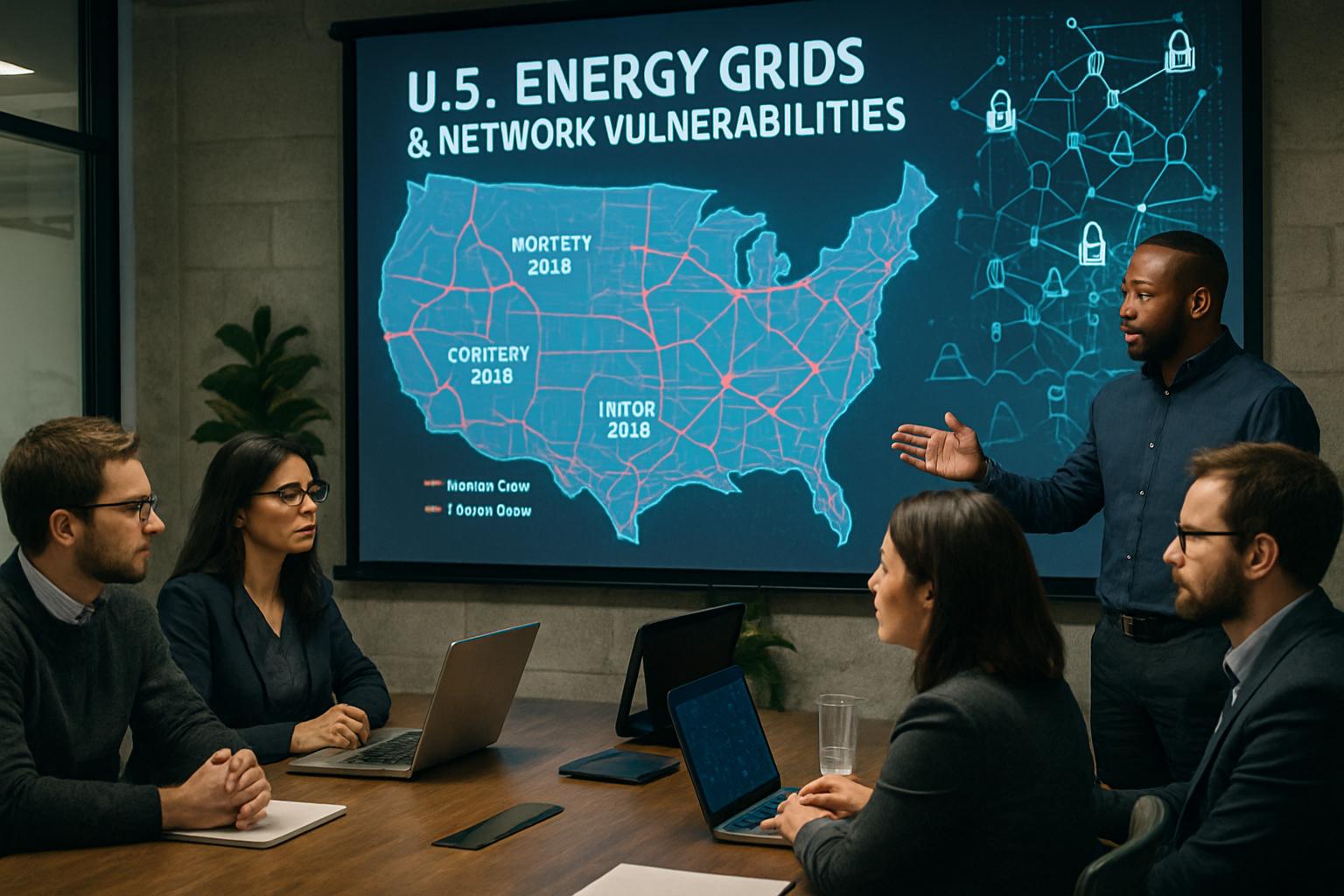
Evolving Iranian Threat Landscape
Historically, Iranian groups focused on espionage. However, recent operations reveal a shift toward overt disruption. Federal investigators attribute activity to personas such as CyberAv3ngers and Handala. Additionally, private analysts link tactics to the Islamic Revolutionary Guard Corps.
Notably, attackers now blend state direction with hacktivist theatrics. Therefore, attribution grows complex as criminal tools mix with nation-state objectives. Nevertheless, intent remains clear: undermine US Critical Infrastructure and erode public confidence.
These patterns foreshadow further escalation. Consequently, asset owners must reassess threat models before malicious access becomes physical damage.
Notable Attack Timeline Details
Events spanning late 2023 through spring 2026 illustrate rising severity. First, on November 25, 2023, Iran-linked hackers defaced a booster-station PLC in Pennsylvania. Subsequently, CISA documented at least 75 compromised Unitronics devices across 11 facilities. In contrast, February 2024 saw the US Treasury sanction responsible IRGC officials.
Another milestone emerged March 11, 2026. Stryker Corporation reported destructive wipes across thousands of managed endpoints. Authorities tied the incident to Iran-aligned operatives using mobile device management abuse. Finally, April 7, 2026 brought the multi-agency alert citing configuration wipes and sensor tampering at water utilities.
- 75 industrial devices compromised during 2023 campaign
- 11 known facilities affected nationwide
- Multiple PLC brands targeted, including Rockwell and Unitronics
- Stryker wipe incident caused significant financial loss
These milestones chart a clear trajectory. However, unpublished investigations suggest the list may soon grow.
Tactics And Techniques Explained
Attackers exploit internet-visible PLCs by abusing default credentials. Furthermore, they use leased cloud servers to mask origin. Once connected, tools like Rockwell Studio 5000 upload altered project files. Consequently, pumps, valves and chemical feed systems may misbehave.
Additional persistence arrives through lightweight SSH servers such as Dropbear. Meanwhile, adversaries deploy configuration wipers intended to frustrate rapid recovery. Moreover, manipulated HMI screens can mislead operators into believing processes remain normal. Therefore, silent sabotage may precede obvious failure inside Critical Infrastructure.
Because many small utilities lack segmentation, lateral movement between IT and OT networks remains trivial. Thus, even minor footholds escalate quickly.
Operational Impact And Risks
Observed impacts remain mostly limited to service interruptions and financial loss. Nevertheless, EPA official Jess Kramer warns that compromised water treatment could threaten public health. Similarly, Assistant Director Brett Leatherman emphasizes the broader national-security stakes.
Researchers highlight three primary dangers. First, sensor tampering can conceal unsafe chlorine levels. Second, configuration wipes force manual resets, delaying restoration. Third, coordinated attacks across regions could strain emergency response.
Consequently, unprepared operators may face cascading failures. Critical Infrastructure resilience therefore depends on swift detection and isolation.
Mitigation Steps For Utilities
CISA outlines pragmatic defenses suitable for resource-constrained utilities. Initially, disconnect internet-exposed controllers or place them behind firewalls. Moreover, enforce unique passwords and enable multifactor authentication where possible. Additionally, apply available firmware patches for Unitronics and Rockwell devices.
Continuous monitoring of HMI traffic provides early warnings. Therefore, utilities should integrate OT-specific intrusion detection and log all remote connections. Professionals can enhance their expertise with the AI Network Security™ certification.
Finally, report incidents promptly to FBI or CISA. These steps form a defense-in-depth baseline. However, sustained investment remains necessary for enduring protection.
Policy And Funding Hurdles
Small municipalities grapple with limited budgets. Consequently, mandates without funding provoke resistance. Previously, EPA attempted adding cybersecurity checks to sanitation surveys yet paused amid political pushback.
Manufacturers also face challenges. Legacy PLCs lack modern security features, and wholesale replacement proves costly. Nevertheless, vendors could ship secure-by-default firmware and require password creation during setup.
Therefore, coordinated federal grants and vendor incentives will be vital. Without them, Critical Infrastructure gaps will persist despite clear technical guidance.
Strategic Outlook For 2026
Experts foresee continuing Iran-aligned aggression. Kevin Mandia recently predicted that "the gloves are off," indicating imminent disruptive events. Moreover, Check Point analysts note the accelerating pace of attacks across US energy grids.
Consequently, proactive hardening must advance faster than adversary capability. Water and energy sectors should adopt zero-trust principles, segregate networks and rehearse incident response regularly.
These forward-looking actions will decide whether Critical Infrastructure weathers the storm. Alternatively, complacency may invite a damaging surprise.
The evolving threat landscape requires constant vigilance. However, collaboration between agencies, vendors and utilities can still tilt the balance.
Therefore, industry professionals must champion security investments now.
Conclusion
Iran-affiliated hackers have moved from nuisance defacements to strategic disruption. Consequently, federal agencies call for decisive action to defend US water and energy facilities. This article detailed timeline highlights, attacker techniques, operational risks, and practical mitigations. Moreover, it underscored funding obstacles that complicate progress across Critical Infrastructure. Nevertheless, collective commitment and continuous education can shift outcomes. Explore advanced training and certifications today to strengthen organizational resilience and national safety.


