

AI CERTs
3 hours ago
Google Photos AI turns selfies into viral memes
Memes travel faster than news. Consequently, Google has inserted itself directly into that cultural stream. Late January 2026, the company unveiled Me Meme, an experimental feature inside Google Photos AI. The tool lets any user drop a selfie into classic templates and share the result within seconds. Moreover, Me Meme uses Gemini’s Nano Banana image family. The same engine powers many creative tasks across Alphabet products. Early testers found the feature buried under the Create tab on both Android and iOS builds. However, Google is releasing Me Meme in phases, so only some U.S. accounts currently see it. TechCrunch and Engadget confirmed the workflow and captured first screenshots. Industry watchers call the launch a playful yet strategic move. They say it helps keep Photos’ one-billion users engaged amid rising competition from every AI meme generator on the market. This article explains how the feature works, why it matters, and what risks professionals should monitor.
Me Meme Feature Launch
Google announced Me Meme through a Photos Community post dated 23 January 2026. Subsequently, outlets like TechCrunch and AndroidCentral verified the rollout in updated Android and iOS builds. Furthermore, Google stated that U.S. users will see the toggle over the coming weeks. In contrast, international accounts must wait until the phased launch completes. Company spokespeople emphasise the experimental label to manage expectations about output quality.
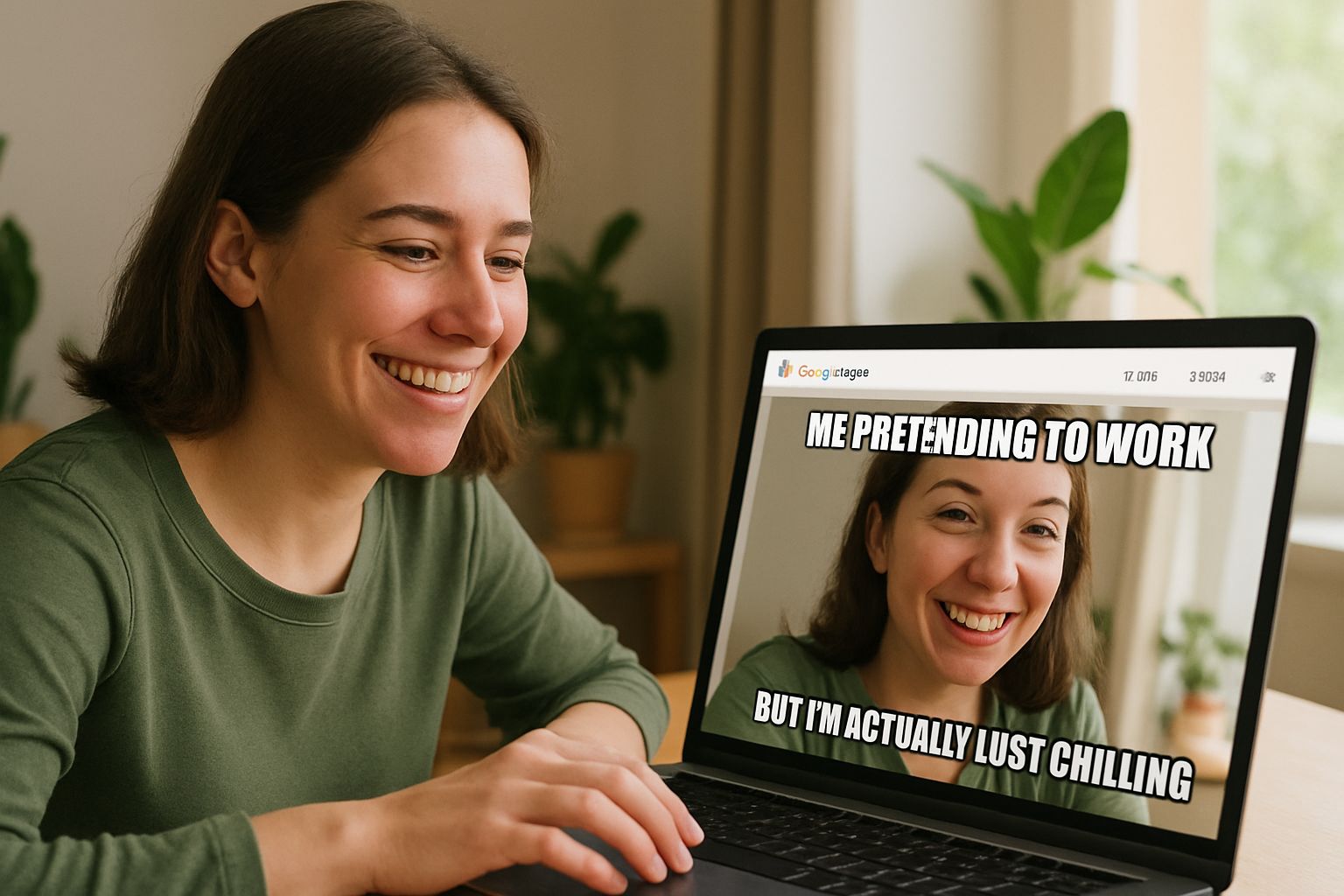
The feature lives inside the Create tab, alongside Collages and Cinematic Photos. After tapping Me Meme, users choose either a Google template or their own uploaded image. Therefore, the workflow mirrors existing collage tools and feels familiar. Analysts note that Google Photos AI gains another engagement hook through this playful addition.
Me Meme arrives quickly yet cautiously. The phased release lets Google gather feedback before a global push. With timing understood, the next section explores the technology behind those memes.
Gemini Image Tech Explained
Under the hood, Me Meme relies on Gemini’s Nano Banana model family. Moreover, Gemini 2.5 Flash Image prioritises speed, while Nano Banana Pro targets higher fidelity. DeepMind embedded SynthID watermarking into these models to prove AI provenance. Consequently, every meme generated through Google tools carries an invisible marker.
Alphabet reported 450 million monthly Gemini users in mid-2025, indicating vast potential reach. Therefore, once rollout completes, Me Meme could touch a significant portion of that audience. Google Photos AI sits atop this model stack, calling Nano Banana through internal APIs. Developers inside Google Photos AI can swap models without altering the front-end experience. In contrast, competing platforms often licence third-party models with weaker provenance controls.
Gemini delivers both speed and provenance. These capabilities underpin Me Meme’s playful experience. Understanding the tech primes us to explore the actual user workflow.
User Workflow Steps Detailed
The creation flow remains intuitive, echoing existing collage actions. Additionally, Google recommends a bright, forward-facing portrait for best results. Professionals testing the tool can follow these steps:
- Open Google Photos and tap Create.
- Select Me Meme from the carousel.
- Choose a preset or upload a custom template.
- Pick a selfie, then hit Generate.
- Save, share, or regenerate until satisfied.
Meanwhile, the system never alters the original selfie; outputs are separate files. However, Google has not clarified whether those files count toward storage quotas. Early reviewers also note that regeneration produces noticeably different lighting and contrast in each pass. Inside Google Photos AI, the Generate button triggers an API call to the Nano Banana endpoint. The built-in flow removes the need to switch to an external AI meme generator.
The workflow requires minimal taps. Users retain control over template choice and regeneration. Template freedom raises new privacy questions, examined in the next section.
Privacy And Provenance Concerns
Any feature that processes faces immediately triggers biometric debates. Nevertheless, Google insists that images never leave the private Photos environment. EFF litigation director Adam Schwartz warns that consent remains murky when users meme friends without approval. In contrast, SynthID provides some provenance, yet watermark detection requires Google’s own tools. Furthermore, watermarking fails once users crop or take screenshots.
Security teams should monitor storage policies. Currently, Google refuses to confirm whether Me Meme outputs consume quota. Additionally, retention timelines for processed faces remain unspecified within the support documentation. Enterprises using Google Photos AI for marketing assets must assess contractual data protections.
Face data adds regulatory risk. Watermarks help but do not guarantee compliance. Those concerns influence how analysts view the broader market impact.
Strategic Market Impact Analysis
Photos already ships with editing tools like Magic Eraser and Cinematic. Therefore, Me Meme extends a proven retention strategy. According to The Meridiem, similar creative drops previously lifted session lengths by double digits. Moreover, analysts predict that social sharing of personalized memes will funnel new sign-ups. Consequently, Google Photos AI strengthens its moat against Apple iCloud and Meta’s imaging suites.
Competitive pressure also shapes Google’s model roadmap. Subsequently, leadership may shift free Nano Banana capacity from other products to sustain Me Meme demand. In parallel, every rising AI meme generator forces incumbents to innovate or lose cultural relevance. Marketing consultants argue that integrating Me Meme into Google Photos AI also builds first-party data for ad targeting experiments.
Memes are fun yet strategic. Me Meme deepens stickiness and defends market share. Professionals next need actionable guidance for safe deployment.
Practical Tips For Professionals
Teams experimenting with Me Meme should create internal guidelines before public posting. First, enforce explicit consent when faces other than the account holder appear. Second, archive original selfies separate from generated memes to preserve evidentiary trails. Third, scan outputs with a provenance checker to confirm SynthID presence.
- Enable two-factor authentication on all Google accounts.
- Restrict template uploads to approved brand assets.
- Schedule quarterly audits of meme storage consumption.
Additionally, professionals can enhance security expertise with the AI Security Level 1 certification. Structured policies avoid reputation damage. Regular audits sustain compliance over time. Finally, we assess where the technology might head next.
Future Outlook And Risks
Me Meme remains labelled experimental, suggesting rapid iteration ahead. Moreover, Google plans to expand template libraries and possibly add text-prompted meme generation. In contrast, regulators may tighten biometric requirements, forcing stricter consent flows. Consequently, enterprises should monitor both technical and legal updates throughout 2026. Any shift in storage policy will likely arrive first inside Google Photos AI release notes. Meanwhile, new entrants like each emerging AI meme generator will intensify user expectations for creative freedom.
Rapid changes remain certain. Staying informed ensures resilient strategies. That leads us to the closing insights.
Me Meme shows how fast consumer creativity drives enterprise innovation. Moreover, Google Photos AI combines playful viral hooks with serious Gemini engineering. Professionals who harness the feature can deepen engagement, yet they must balance that upside with privacy diligence. Consequently, clear consent rules, storage audits, and provenance checks are non-negotiable. Additionally, teams eager to sharpen their governance skills should pursue the AI Security Level 1 certification. That program equips practitioners to secure generative workflows and anticipate regulatory shifts. Ultimately, staying informed and certified empowers you to deploy the next wave of meme magic confidently.


