

AI CERTS
2 hours ago
Global Ethics Summit Recasts AI Dignity Agenda
Meanwhile, civil society pressed for rights-first Governance frameworks anchored in universal Values. This article unpacks the week’s pivotal moments, data flashes, and emerging roadmaps. Readers will find verified quotes, strategic implications, and links to professional upskilling resources. Ultimately, the Global Ethics Summit signalled a shift from glossy demos toward measurable accountability.
Trust Agenda Dominates Davos
WEF papers framed trust as the gateway to a projected $20 trillion AI dividend. However, speakers cautioned that traceability, transparency, and auditability remain uneven across sectors. Therefore, Jensen Huang described AI infrastructure as worthless without provenance controls. Additionally, UNICEF delegates stressed child rights when data sets feed training pipelines.
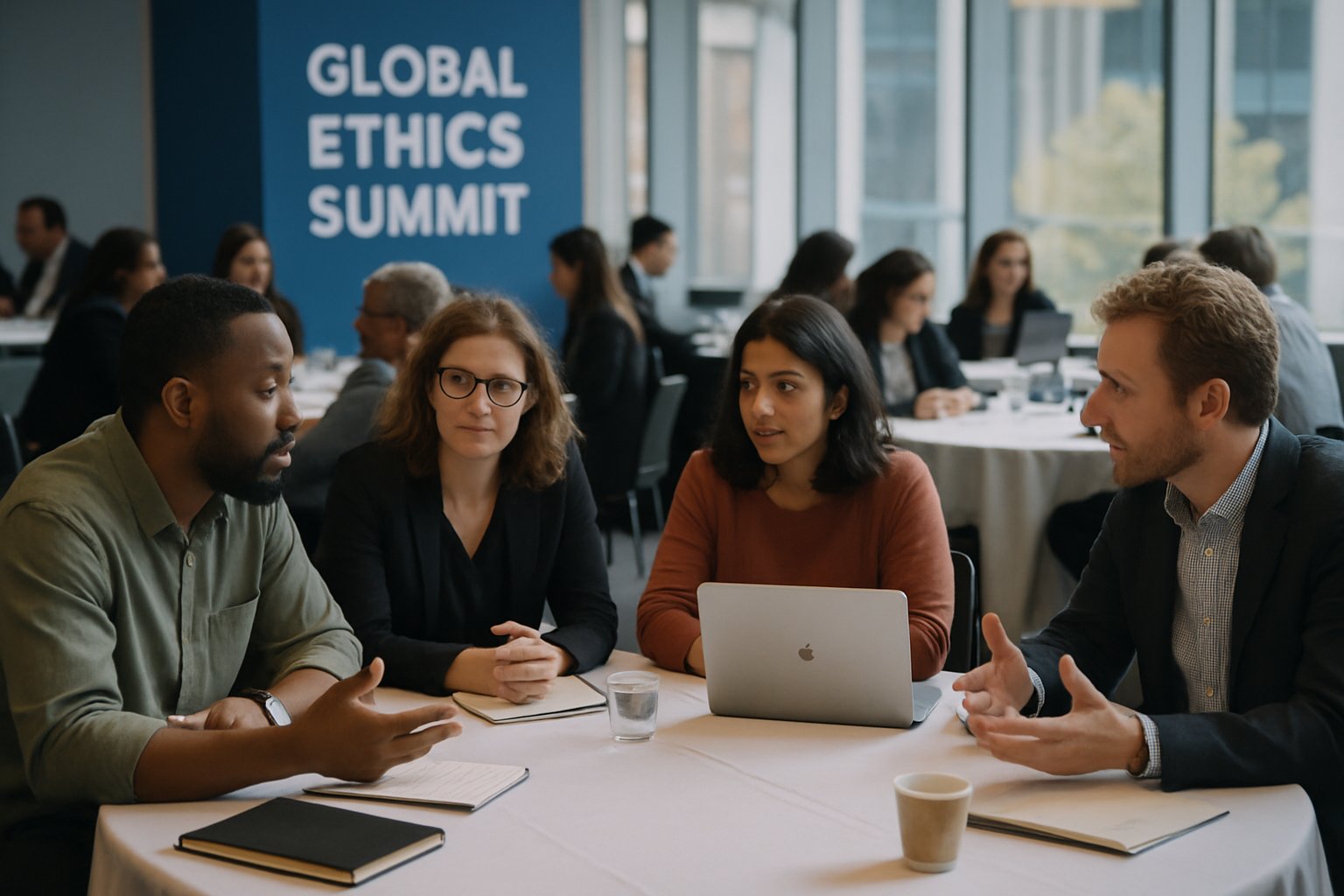
In contrast, Guardian editorials noted a gulf between elite optimism and social reality. Nevertheless, side events repeated a mantra borrowed from cybersecurity: 'Trust nothing. Verify everything.' Such zero trust thinking now applies to datasets, model inputs, and output provenance. Consequently, investors asked startups to document lifecycle controls before discussing valuation.
Trust emerged as a non-negotiable precondition at the Global Ethics Summit sessions. Evidence of rigorous oversight now separates leaders from laggards. Meanwhile, one manifesto attempted to codify that oversight.
Manifesto Elevates Human Dignity
WISeKey’s Human-AI-T Manifesto drew Global Ethics Summit crowds despite competing celebrity panels. Moreover, the text declares that human dignity, agency, and responsibility are immutable. Therefore, signatories agreed to default design rules for explainability, privacy, and human oversight. In contrast, rights groups questioned voluntary enforcement without binding Governance mechanisms.
Subsequently, Meta’s Dina Powell McCormick called AI a group sport demanding shared Values. Similarly, Amnesty urged red lines around biometric surveillance protecting personhood in public spaces. Consequently, several SMEs promised to publish alignment audits within six months. Nevertheless, no global registry tracks compliance yet.
The manifesto crystalised dignity principles into a plain-language pledge. Critics, however, doubt voluntary pledges will deter risky deployments. Evidence of tangible impact therefore became the next focus.
Evidence Tops Hype Narrative
WEF’s MINDS programme showcased 33 real deployments across 16 sectors and 30 countries. For example, Ant Group’s clinical platform claimed 90% diagnostic accuracy during controlled trials. However, journalists requested raw methodologies before celebrating the statistic. Consequently, WEF promised third-party validation in the forthcoming white paper appendix.
Meanwhile, IMF figures circulated showing almost 40% of global jobs exposed to AI change. Therefore, participants demanded measurable upskilling pathways before celebrating productivity windfalls. Additionally, panelists urged benchmarking social indicators alongside profit metrics. Such dual accounting links back to core Values espoused at the Global Ethics Summit.
Proof over promise gained currency throughout meeting rooms and press lounges. Data credibility now defines reputational capital for AI vendors. Labour representatives therefore seized the microphone next.
Labour Voices Demand Safeguards
AFL-CIO president Liz Shuler warned, 'You’re gonna have a revolution' if dignity erodes. She leveraged the Global Ethics Summit microphone to demand protective labour compacts. Furthermore, IMF exposure numbers underscored potential displacement in advanced economies nearing 60%. Consequently, unions called for negotiated retraining funds and social dialogue mechanisms.
In contrast, some CEOs framed automation as opportunity rather than existential threat. Nevertheless, moderators pressed executives to explain how personhood remains intact during workflow redesign. Additionally, Meta executives admitted cultural change outpaces code change. Therefore, multi-stakeholder task forces gained traction inside draft communiqués.
Worker dignity moved from sidebar to centre stage. Negotiated safeguards will shape adoption curves across industries. Policy roadblocks consequently dominated the afternoon panels.
Policy Tensions And Paths
Governments weighed voluntary manifestos against binding regimes like the EU AI Act. Moreover, UNESCO’s recommendations surfaced as a baseline for cross-border Governance alignment. However, startups feared compliance costs could throttle innovation. Consequently, delegates debated phased implementation matched to risk tiers.
Meanwhile, WISeKey proposed a certification scheme to operationalise ethics and track progress. Professionals can validate expertise through the AI Ethics Officer™ certification. Furthermore, several delegations supported sandboxes to nurture compliance talent. Nevertheless, civil society argued only enforceable penalties guarantee personhood is respected. Delegates noted that the Global Ethics Summit brand could accelerate norm diffusion.
Regulatory uncertainty continues to shape boardroom roadmaps. Voluntary tools help but mandates appear inevitable. Leaders therefore explored immediate strategic steps.
Strategic Actions For Leaders
Executives left Davos with a concise checklist. Firstly, map exposure levels using transparent data audits. Secondly, embed Values reviews at each development sprint. Thirdly, secure Governance levers that keep humans accountable for final decisions.
- Adopt zero trust pipelines for training data.
- Create labour retraining budgets aligned to displacement risk.
- Publish model cards detailing human impact safeguards.
- Report progress annually at the next Global Ethics Summit.
Moreover, CFOs should link incentive pay to verified social impact metrics. Consequently, investors gain clarity while communities gain reassurance.
Actionable playbooks emerged despite lingering controversy. Continuous verification will anchor credibility before the following Global Ethics Summit. The narrative now turns to long-term impact measurements.
Closing Outlook
Davos 2026 underscored that technical prowess alone no longer impresses stakeholders. However, alignment with human Values and transparent Governance now drives investment decisions. Consequently, organisations that prioritise personhood protections will capture durable trust advantages. Moreover, voluntary manifestos must evolve into audited routines before the next Global Ethics Summit convenes. Meanwhile, leaders should benchmark progress against WEF evidence repositories to stay credible.
Furthermore, consistent disclosures will reassure regulators and communities alike. Professionals can deepen expertise through the linked AI ethics certification and related learning paths. Therefore, act today: review your policies, enrol in certification, and return prepared for the 2027 dialogue. Sustained commitment will ensure dignified, productive, and inclusive AI futures for all stakeholders.


