

AI CERTS
3 months ago
German Data Reveal Manufacturing Inflation Signals Shift
Moreover, central bankers watch the pipeline carefully before easing policy levers further. This article decodes the numbers, expert reactions, and strategic implications for tech-centric supply chains. Readers will discover why falling producer prices matter beyond Germany, shaping the wider European economy. Additionally, professionals gain actionable insights for procurement roadmaps and investment timing. The narrative also integrates certification resources to bolster analytics proficiency. In contrast, it highlights lingering risks that could reignite cost pressures unexpectedly. Prepare to navigate volatile pricing terrain with evidence, context, and clear guidance.
Factory Price Trend Update
November marked the tenth consecutive negative annual reading for Germany's Producer Price Index. Nevertheless, the scale of decline widened from October's 1.8% fall to November's 2.3%. Therefore, the Manufacturing Inflation Signals headline gained credibility among market watchers. Month-on-month movement flatlined, indicating momentum loss rather than renewed acceleration downward.
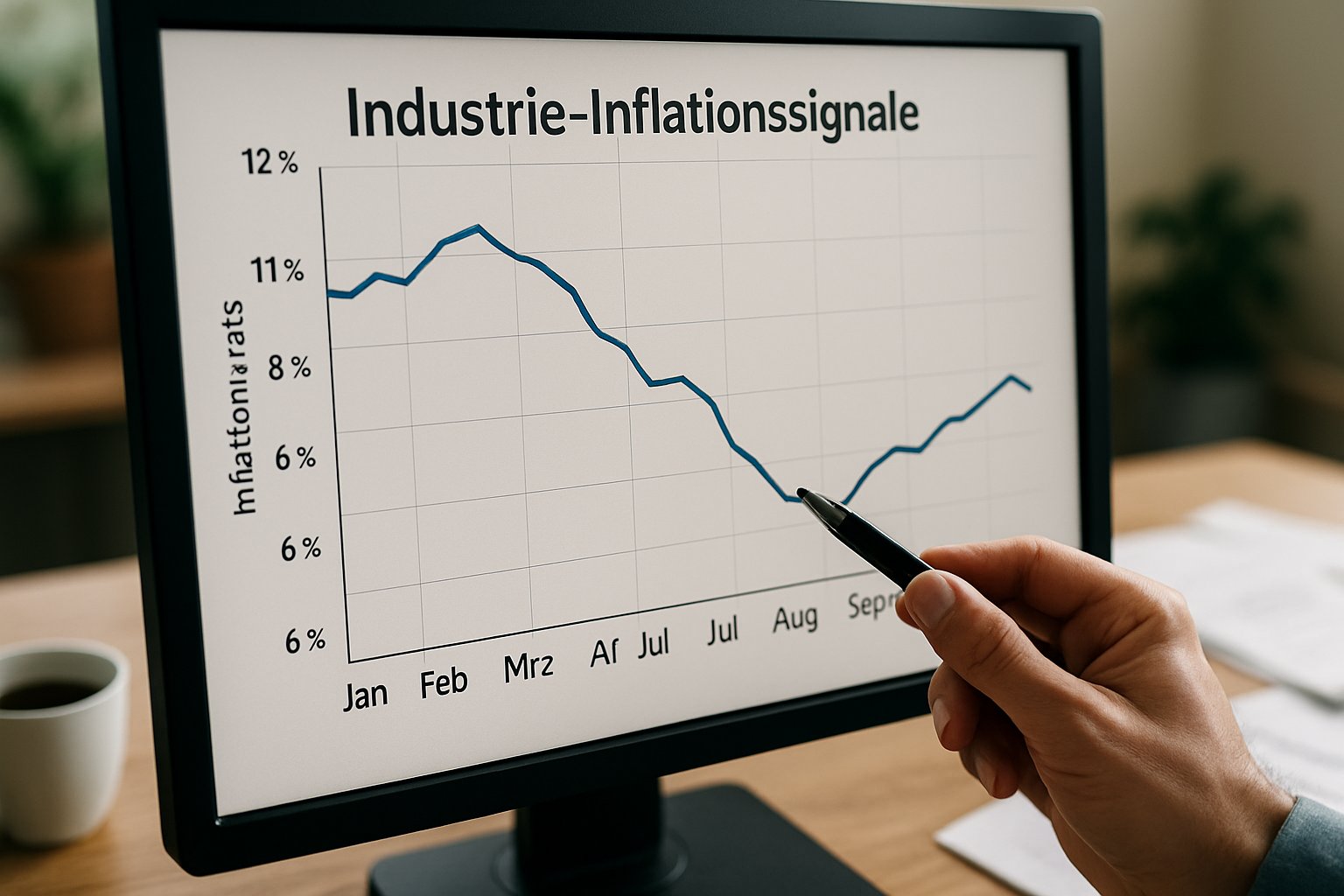
Headline prices softened mainly because energy quotations collapsed near 9% versus last year. However, underlying indices painted a more nuanced picture, guiding our next discussion on energy costs.
Energy Costs Impact Analysis
Energy remains the single largest volatility source within industrial pricing. Destatis data showed natural gas and electricity contracts declining sharply as global fuel markets stabilised. Consequently, the energy subindex dropped 9%, subtracting roughly three percentage points from total PPI. In contrast, excluding energy, producer prices grew 0.8%, suggesting other inputs still trend higher. Moreover, German chemical producers argue that European carbon costs and grid fees offset headline savings. VCI chief Wolfgang Große Entrup warned in March that structural headwinds persist despite recent price relief. Such moves complicate Manufacturing Inflation Signals interpretation across procurement dashboards.
Energy deflation has undoubtedly calmed upstream inflation gauges. Yet the manufacturing economy still faces embedded cost elements, steering us toward core components performance.
Core Components Stay Resilient
Intermediate goods recorded only marginal declines during November. Meanwhile, capital goods and durable consumer items actually registered modest annual increases near 2%. Such resilience limits pass-through of the headline PPI Drop into retail shelves. ECB researchers note that margins, contracts, and inventory buffers create lags between producer and consumer Price adjustments. Consequently, core CPI still sits at 2.7%, with services inflation edging above 3.5%. Therefore, Manufacturing Inflation Signals require cautious interpretation when forecasting household bills.
Underlying strength in non-energy segments curbs immediate disinflation hopes. Nevertheless, lower input volatility offers strategic breathing room, leading to industry sentiment analysis next.
Industry Voices React Today
Corporate commentary echoes the data divergence. BASF finance chiefs welcome cheaper gas yet lament sluggish global demand for specialty chemicals. Similarly, Siemens executives highlight stable component prices but slower order books in digital industries. Furthermore, automotive suppliers expect minor relief on steel costs, although labor agreements keep aggregate expenses elevated. Ifo Institute surveys show manufacturing confidence hovering below long-term averages despite the headline Drop. Consequently, many firms channel savings into margin repair rather than aggressive price cuts for clients. For analysts, Manufacturing Inflation Signals now demand industry-specific parsing.
Boards value stability yet remain wary. This cautious stance feeds directly into monetary policy expectations, which we examine in the following section.
Policy Watch Key Factors
Investors immediately revisited European Central Bank rate path calculations after the Destatis release. However, officials have stressed that core figures carry greater weight than volatile energy swings. Subsequently, swap markets still price only modest easing during late 2026. Bundesbank research suggests Manufacturing Inflation Signals provide early warnings but cannot guarantee consumer Price outcomes. Additionally, wage settlements and service sector dynamics dominate core trajectory assessments. Therefore, policymakers will scrutinise December data for confirmation before pivoting convincingly.
Disinflation progress appears encouraging yet incomplete. Consequently, market participants continue hedging positions, setting the stage for risk outlook considerations.
Outlook And Risks Ahead
Analysts outline several upside and downside scenarios for the German manufacturing economy. Geopolitical friction in the Middle East could lift energy prices again, reversing recent PPI progress. In contrast, a mild European winter would cement energy savings and speed pass-through benefits. Moreover, continued Chinese weakness may pressure export volumes, limiting firms' ability to raise Price tags. Tech sector supply chains also watch semiconductor input trends, as silicon shortages could restart cost spirals. Meanwhile, green transition subsidies promise fresh investment that might bolster domestic Manufacturing demand.
- Rapid energy rebound could lift headline PPI above zero and distort Manufacturing Inflation Signals.
- Persistent energy softness may drag core CPI below 2% by Q4 2026.
- Supply chain shocks might spark semiconductor Price spikes, reigniting electronics inflation.
Nevertheless, the baseline consensus favours gradual disinflation provided energy markets remain calm. Therefore, Manufacturing Inflation Signals will remain on dashboards across the global Tech Economy.
Scenario planning underscores uncertainty despite encouraging data. However, strategic lessons can still be distilled, which our final section delivers.
Strategic Takeaways Quick Summary
Procurement leaders should lock medium-term contracts while energy costs stay subdued. Additionally, monitor core component indices closely because these determine final Price negotiations. Finance teams must update hedging policies, using Manufacturing Inflation Signals dashboards for weekly alerts. Moreover, risk managers should diversify supplier bases to cushion potential commodity Drop reversals. Professionals seeking deeper analytics rigor can pursue the AI Security Level 1 certification. Consequently, they gain validated skills for safeguarding data pipelines that feed pricing models. Finally, integrate scenario dashboards with enterprise resource planning suites to automate reaction thresholds.
These steps transform raw statistics into actionable business safeguards. Subsequently, readers can apply insights immediately, reinforcing competitive resilience.
Germany's latest factory-gate update confirms that disinflation is advancing, yet the journey remains uneven. Energy led the retreat, but core goods and services still challenge household budgets. Nevertheless, Manufacturing Inflation Signals give early warning to organisations prepared to monitor them closely. Additionally, policy makers will weigh wage deals and service margins before declaring victory over inflation. Therefore, businesses should keep scenario plans active, diversify supply lines, and lock favourable contracts promptly. Professionals can further strengthen decision frameworks through trusted certifications and data-driven collaboration. Explore the linked AI Security credential, subscribe to our newsletter, and keep your dashboards updated. Future competitiveness depends on proactive insight, not reactive panic—act now.


