

AI CERTS
2 hours ago
Fintech AI: Revolut’s AIR Assistant Prepares for UK Launch
Industry observers view the forthcoming launch as the neobank’s biggest strategic bet since its 2026 licence upgrade. However, limited public details fuel speculation about scope, timing, and regulatory safeguards. This article dissects publicly verified milestones, competitive context, and unresolved questions surrounding the impending assistant. Additionally, we assess opportunities and risks inherent in deploying agentic Fintech AI within heavily supervised markets.
Revolut Launch Context Details
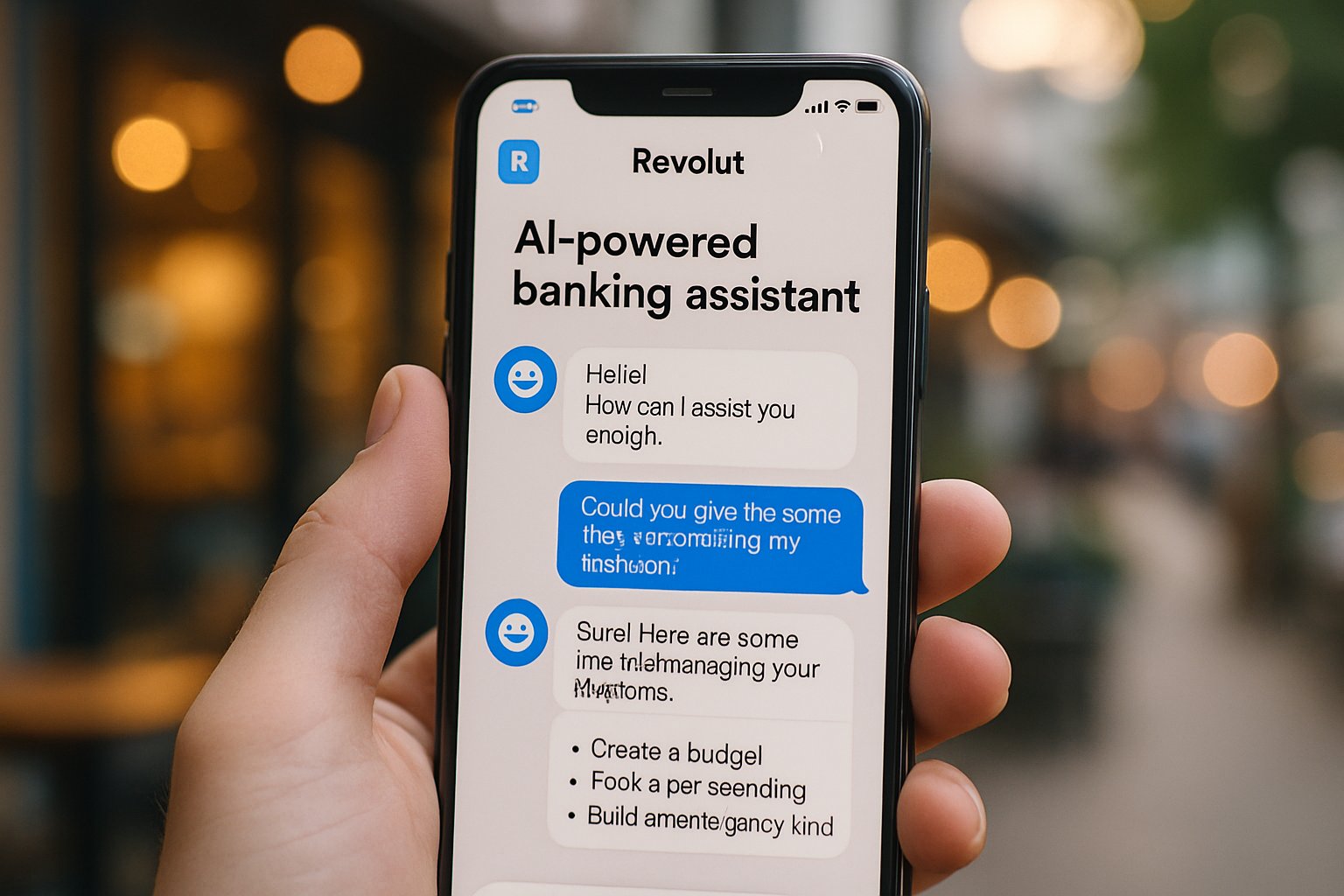
When Francesca Carlesi spoke to Bloomberg in June 2025, she declared the assistant would “go live shortly.” That pledge signalled Revolut's intent to weave advanced Fintech AI into everyday account management. Moreover, product terms published on the company CDN outline two modules: AI Support and AI Revolut Assistant. Those documents describe data access, opt-out rights, and disclaimers that insights are informational rather than regulated advice.
Subsequently, Revolut acquired travel bot Swifty in October 2025 to accelerate lifestyle and commerce integrations. Christopher Guttridge framed the deal as bridging finance, AI, and everyday experiences. Therefore, the roadmap clearly stretches beyond chat responses toward agentic bookings and payments. Such breadth differentiates the project from narrower support chatbots seen in earlier neobank iterations.
- 65 million global customers reported as of September 2025.
- 68.3 million customers and 13 million domestic accounts by March 2026.
- Swifty acquisition closed October 2025 to boost travel integrations.
These developments confirm strategic commitment and growing technical depth. However, branding and exact release timing remain officially unconfirmed. Consequently, understanding the licence catalyst is essential.
Bank Licence Catalyst Factors
Revolut secured full UK bank status on 11 March 2026, ending several years under EMI permissions. Furthermore, the licence unlocks deposit protection, lending, and richer data scopes essential for agentic actions. In contrast, earlier restrictions limited automated transfers or card issuance changes inside the app. Regulators now expect stronger operational resilience as defined under DORA, increasing scrutiny on Fintech AI deployments.
Nevertheless, bank status provides credibility when sensitive personal data powers personalised recommendations. Subsequently, customers may trust AIR to initiate savings sweeps or negotiate subscription cancellations on their behalf. That trust could convert occasional users into daily engaged clients, raising lifetime value for the neobank. Consequently, licence timing and assistant launch appear tightly coupled.
Bank authorisation supplies legal headroom yet amplifies supervisory attention. The competitive landscape now underscores why speed matters. Meanwhile, rivals are already shipping similar tools.
Competitive UK Landscape Shift
Starling introduced its agentic Assistant to personal account holders in March 2026. Moreover, NatWest and several incumbents are piloting transaction scripting features. These moves elevate baseline user expectations across the UK market. Therefore, Revolut must demonstrate superior Fintech AI performance, not merely parity.
In contrast, smaller neobank peers lack comparable resources for large-scale model governance. Consequently, first movers may lock in network benefits from aggregated behavioural data. However, any early mishap could rapidly erode trust and invite regulatory clampdowns. AIR’s rollout strategy thus balances urgency with staged feature gating.
Competitive pressure intensifies daily as agentic capabilities shift from novelty to necessity. Next, we unpack how those capabilities actually work. Let's examine the underlying architecture.
Agentic Functionality Explained
Traditional assistants answer questions about balances or exchange rates. Agentic systems, instead, plan multi-step tasks like transferring funds, booking flights, and issuing confirmations. Additionally, an agent must seek explicit consent before committing live transactions within a regulated environment. Fintech AI platforms achieve this through orchestration layers that convert natural language into verified API calls.
The company documentation states outputs are informational and users remain responsible for decisions. However, once AIR initiates transactions, liability boundaries become more complex. Moreover, DORA mandates fallback mechanisms and extensive incident reporting for such automated flows. Therefore, robust guardrails and audit logs underpin every planned capability.
Agentic design promises frictionless finance yet raises governance overhead. Operational safeguards feed directly into regulatory evaluation, discussed next.
Operational Regulatory Pressures Ahead
Supervisors monitor model bias, data leakage, and third-party cloud resilience. Furthermore, the FCA stresses clear disclosures when algorithms influence creditworthiness or investment nudges. Consequently, Fintech AI builders must document training data, validation tests, and escalation paths. In the UK, the ICO also reviews automated decision-making under GDPR.
Energy consumption presents another reputational concern, especially after Guardian coverage of the neobank’s carbon footprint. Nevertheless, management claims cloud vendors are pursuing greener data centres. Meanwhile, shareholders fear that outages could trigger regulatory fines once AIR handles payments. Transparent resilience reporting will therefore influence adoption rates.
Regulators want innovation yet demand proof of safety. Compliance investment thus becomes a competitive asset. Opportunities emerge for those who manage risks wisely.
Opportunities And Monetisation Paths
Personalised nudges can increase interchange revenue, lending take-up, and subscription attachment. Moreover, integrating travel booking through Swifty creates ancillary income from merchant fees. Consequently, Fintech AI may shift the app from budget tracker to full commerce gateway. Customers benefit from an end-to-end journey without app switching.
Neobank loyalty programmes could tie cash-back rewards to agentic actions, boosting daily usage. Additionally, deeper data insights enable dynamic pricing for insurance or overdrafts. Professionals can enhance their expertise with the AI Project Manager™ certification. Such credentials position teams to design, govern, and monetise emerging assistants responsibly.
Monetisation hinges on trust, convenience, and ecosystem breadth. Next, we outline stakeholder actions for the coming months.
Next Steps For Stakeholders
Product teams should finalise human handoff protocols and incident playbooks before wider AIR release. Meanwhile, compliance officers must map assistant outputs against existing advice regulations and consumer duty rules. Consequently, iterative testing with regulator sandboxes may shorten approval cycles. Marketing leads should manage expectations by clarifying agentic scope during the phased UK rollout.
Investors should track customer uptake, retention, and incremental revenue per user once Fintech AI features activate. Moreover, rival launches from Starling or Monzo could recalibrate valuation benchmarks across the neobank sector. Developers ought to stress-test model latency under peak loads to avoid service degradation. Nevertheless, over-engineering may delay market entry, ceding ground to competitors.
Stakeholders must strike balance between speed and robustness. The final countdown now depends on confirmed launch details from the company.
Fintech AI is reshaping consumer expectations and competitive dynamics across British banking. The forthcoming assistant exemplifies that shift, blending personalised insights with potential agentic actions. However, regulatory scrutiny, data governance, and energy concerns create formidable launch hurdles. Nevertheless, the newly granted bank licence offers essential legal cover and consumer trust signals. Competitors already deploy similar tools, so timing will influence market share.
Fintech AI adoption will depend on transparent safeguards, resilient infrastructure, and clear customer value. Industry leaders should prepare now, gaining multidisciplinary skills to manage evolving assistant lifecycles. Consequently, pursuing advanced certifications can provide a decisive edge. Explore relevant programmes today and position your organisation at the forefront of intelligent financial services.


