

AI CERTS
2 hours ago
Debunking AI Fatigue Headlines: Data, Risks, Solutions
This article dissects the data, separates hype, and offers concrete next steps for employers. Readers will learn why misused statistics obscure real burnout drivers and how smart governance can help. Finally, we explain where professional certifications, including people-first AI programs, fit into practical solutions. Prepare to move beyond headlines and confront the true cost of technological change. Meanwhile, employee assistance programs report rising calls about tool overload and shifting expectations.
Myth Versus Hard Data
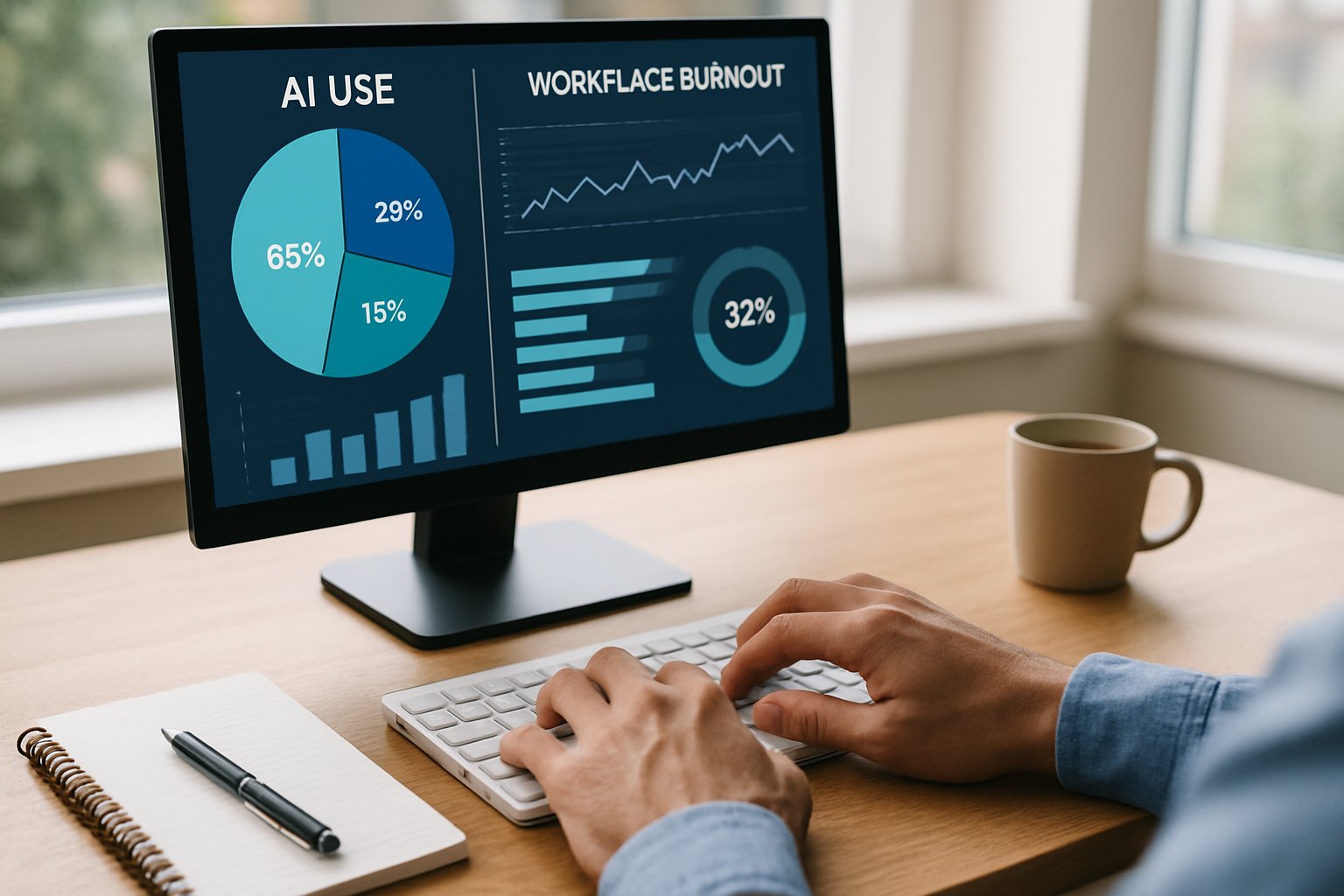
Many readers first encountered the 54 percent figure in eye-catching news alerts. However, that statistic originates from a UKG frontline worker survey covering ten countries, not solely Americans. Moreover, the 54 percent figure represents workers who never touch AI, creating a reversed narrative. In contrast, frontline respondents using AI reported 41 percent burnout, a notable improvement. Therefore, the phrase AI Fatigue requires contextual precision before entering national debates.
Analysts must scrutinize sample composition, question wording, and margin of error before publishing sweeping conclusions. These facts dismantle the catchy headline yet expose real measurement gaps. However, deeper methodological issues still cloud public understanding, as the next section explains.
Research Methodology Limits Explored
Most AI well-being research relies on self-reported online panels without longitudinal follow-up. Consequently, causation between tool adoption and fatigue often remains speculative. Moreover, many surveys lump algorithmic scheduling and basic chatbots into the same “AI” bucket, muddying insights. Academic teams, such as Kim and Lee, instead deploy three-wave designs that trace stress over months. Their work shows AI increases job stress first; burnout follows if training resources lag.
Nevertheless, sample sizes stay modest, and cultural contexts limit direct extrapolation to Americans. These constraints remind analysts to triangulate findings across multiple instruments. Consequently, policy makers must treat each survey as one puzzle piece, never the entire picture. Methodological discipline protects debates from sensational claims. Meanwhile, sector-specific numbers illustrate how experience with AI actually diverges on shop floors.
Frontline Worker Key Findings
The UKG study surveyed 8,200 frontline employees across retail, healthcare, logistics, and hospitality. Among U.S. respondents, only twenty-eight percent reported using AI tools daily. However, those adopters logged fewer overtime hours and mentioned improved task clarity. Moreover, sixty-five percent feared colleagues skilled in AI could replace them, revealing persistent anxiety. Importantly, seventy-six percent of all frontline workers still reported some level of burnout, regardless of tool usage.
Therefore, AI Fatigue appears context dependent, moderated by task type and perceived job security. Analysts also observed lower customer wait times when chatbots handled routine questions, indirectly easing human strain. These patterns confirm that AI can act as both a resource and a demand. However, understanding psychological mechanisms remains essential, which our next section addresses.
Stress Pathways Fully Explained
The Job Demands-Resources model frames burnout as an imbalance between pressure and support. Kim and Lee found AI adoption boosts role ambiguity, increasing technostress before any productivity gains manifest. Consequently, job stress mediates the link, and fatigue emerges when organizations ignore training. Self-efficacy moderates the pathway: confident workers absorb new tools with less strain. Moreover, algorithmic management lowers autonomy, which further predicts exhaustion in multiple quantitative studies.
Field interviews echo these quantitative trends, with nurses citing mental load from constant prompt revisions. Therefore, AI Fatigue can either fade or intensify depending on how companies structure change. Effective governance converts AI into a supportive resource. Meanwhile, inadequate design turns every prompt correction into another cognitive demand, compounding stress downstream.
Critical Employer Training Gaps
Upwork research shows many executives mandate AI use yet underfund instructional programs. In contrast, only thirty-five percent of surveyed firms track employee competency after deployment. Moreover, TELUS Health reports thirty-four percent of Americans end each workday exhausted even before new tools land. Consequently, layering AI duties onto an already stretched staff risks accelerating fatigue rather than preventing it. Employers can address gaps with structured learning paths and visible governance charters. Professionals can enhance their expertise with the AI for Everyone Certification. Such programs build self-efficacy, the proven moderator against exhaustion cascades.
Case studies from manufacturing show retention jumps when tutorials accompany every AI dashboard. Therefore, AI Fatigue declines when users feel competent and supported. Training remains the cheapest risk mitigator. However, governance without cultural change cannot resolve algorithmic oversight challenges, which we examine next.
Managing Algorithmic Oversight Risks
Algorithmic scheduling optimizes headcount yet often ignores humane pacing. Consequently, knowledge of system logic becomes scarce, and employees feel monitored rather than empowered. In contrast, transparent dashboards allow workers to correct errors and suggest improvements. Moreover, rotating “algorithm stewards” give frontline teams direct input into model updates, boosting autonomy. Regulators in Europe already require explainability audits, hinting at possible future U.S. mandates.
A recent survey from Workplace Intelligence found forty-eight percent of U.S. workers distrust opaque performance metrics. Therefore, AI Fatigue diminishes when oversight systems remain explainable and adjustable. Explainability turns monitoring into collaboration. Meanwhile, organizations still need actionable roadmaps, which we outline in the final section.
Actionable Next Steps Forward
Leaders seeking to reduce exhaustion can start with a structured audit of job demands. Subsequently, map AI interventions to specific pain points rather than blanket adoption. Additionally, conduct a pre-deployment assessment measuring baseline fatigue and resource availability. Then, allocate training budgets proportional to expected time savings, and publish the ratio internally.
Moreover, schedule quarterly wellbeing checks, using anonymous pulse questions about AI Fatigue and autonomy. Finally, reward teams that report algorithmic flaws promptly, signaling that transparency outweighs silent compliance. Large enterprises pilot these actions within a single department, then scale after collecting quarterly metrics. Smaller firms can adapt templates from industry associations, avoiding costly reinvention.
- Run a baseline burnout and fatigue survey within 30 days.
- Deploy AI for Everyone Certification for all managers.
- Create an open dashboard showing AI performance metrics and error rates.
- Review job descriptions quarterly to remove obsolete tasks offloaded to AI.
These actionable items convert strategy into measurable outcomes. Consequently, workers perceive AI as supportive rather than punitive. Practical playbooks close the gap between theory and wellbeing. Therefore, a balanced roadmap undermines AI Fatigue while raising productivity benchmarks.
AI Fatigue sparks headlines, yet the underlying data tell a subtler, evidence-based story. Workplace exhaustion remains high, but proper design and training can convert smart tools into genuine resources. Moreover, rigorous surveys and transparent algorithms guard against sensational misinterpretations. Consequently, employers who audit demands, fund education, and measure impact see fatigue metrics drop. Professionals seeking a structured skills boost should explore the AI for Everyone Certification. Meanwhile, policy makers must demand higher-quality national data before declaring crises among Americans. Act now to replace hype with evidence and turn AI Fatigue from threat into sustainable advantage.


